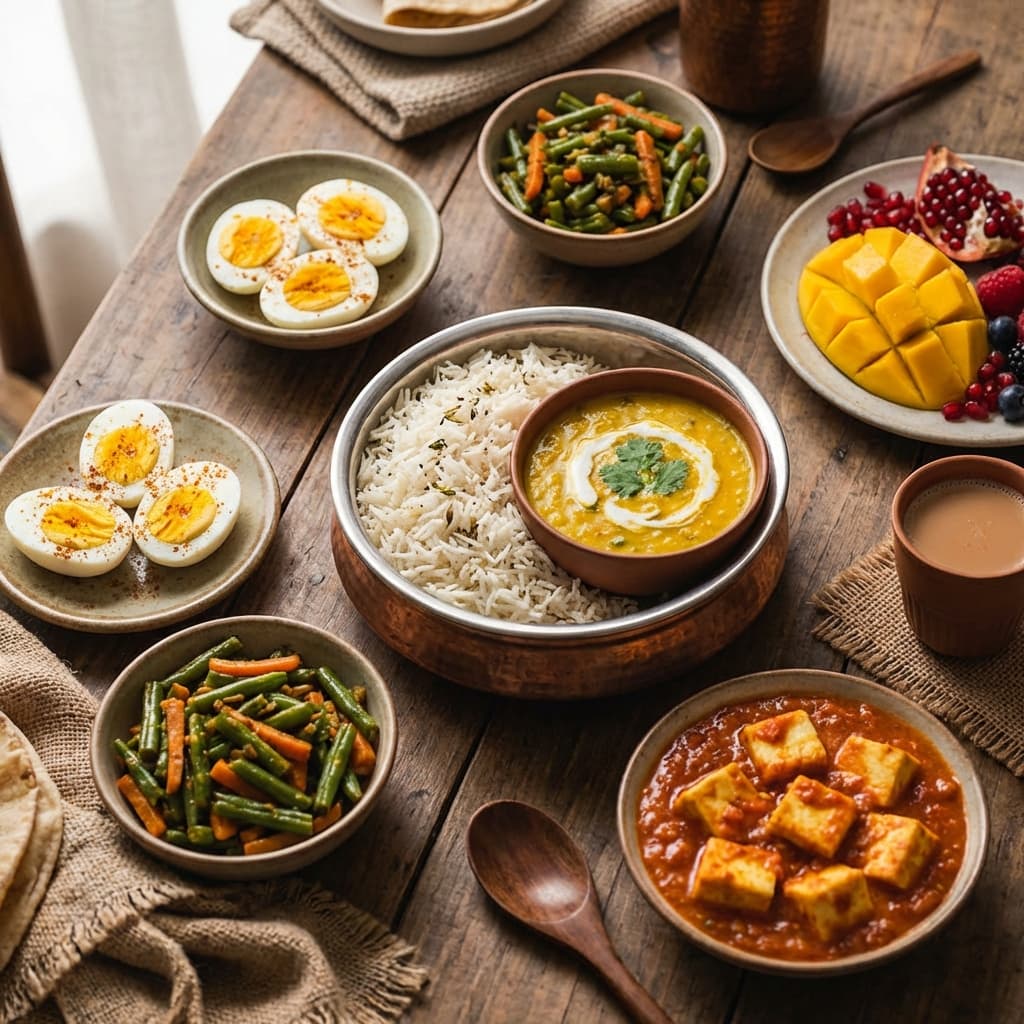
The Science Behind Chai
Chai is typically composed of black tea, milk, sugar, and a blend of spices like cardamom, cinnamon, ginger, cloves, and black pepper. The nutritional profile varies significantly based on the proportions and types of ingredients used.
**Black Tea:** Black tea is rich in polyphenols, particularly theaflavins and thearubigins, which are potent antioxidants. Clinical studies show these compounds can improve blood vessel function and reduce the risk of heart disease. A cup (240ml) of brewed black tea contains approximately 40-70mg of caffeine, a stimulant that can enhance alertness and cognitive function. However, excessive caffeine intake can lead to anxiety, insomnia, and heart palpitations in sensitive individuals.
**Milk:** Milk contributes protein, calcium, and vitamin D to chai. A cup (240ml) of whole milk contains approximately 8g of protein, 300mg of calcium, and 100 IU of vitamin D. The fat content varies depending on the type of milk used. Whole milk contains around 8g of fat per cup, while skim milk contains less than 0.5g. For those with lactose intolerance, lactose-free milk or plant-based alternatives like almond, soy, or oat milk can be used. These alternatives often have lower calorie and fat content but may also be lower in protein and calcium unless fortified.
**Sugar:** Sugar is a primary source of simple carbohydrates in chai, providing quick energy. However, excessive sugar consumption is linked to weight gain, insulin resistance, and increased risk of type 2 diabetes. A teaspoon of sugar contains approximately 4g of carbohydrates and 16 calories. Many commercially prepared chais contain excessive amounts of added sugar, often exceeding 20g per serving. Nutrition research indicates that limiting added sugar intake to less than 25g per day is beneficial for overall health.
**Spices:** The spices in chai contribute various health benefits. Ginger possesses anti-inflammatory and anti-nausea properties. Cinnamon can improve insulin sensitivity and lower blood sugar levels. Cardamom has antioxidant and diuretic effects. Cloves are rich in eugenol, an antioxidant with potential anti-cancer properties. The specific amounts of these spices in a typical cup of chai are relatively small, but their cumulative effect can contribute to overall well-being.
**GI Index:** The Glycemic Index (GI) of chai depends largely on the amount of sugar added. Unsweetened chai has a low GI, while chai with significant added sugar can have a moderate to high GI. Milk also contributes to the GI, with whole milk having a slightly higher GI than skim milk. The presence of fat and protein in milk can slow down the absorption of carbohydrates, mitigating the glycemic impact to some extent. The metabolic impact of chai involves the release of glucose into the bloodstream, stimulating insulin secretion. Regular consumption of high-sugar chai can lead to insulin resistance over time.