The Science Behind Chai
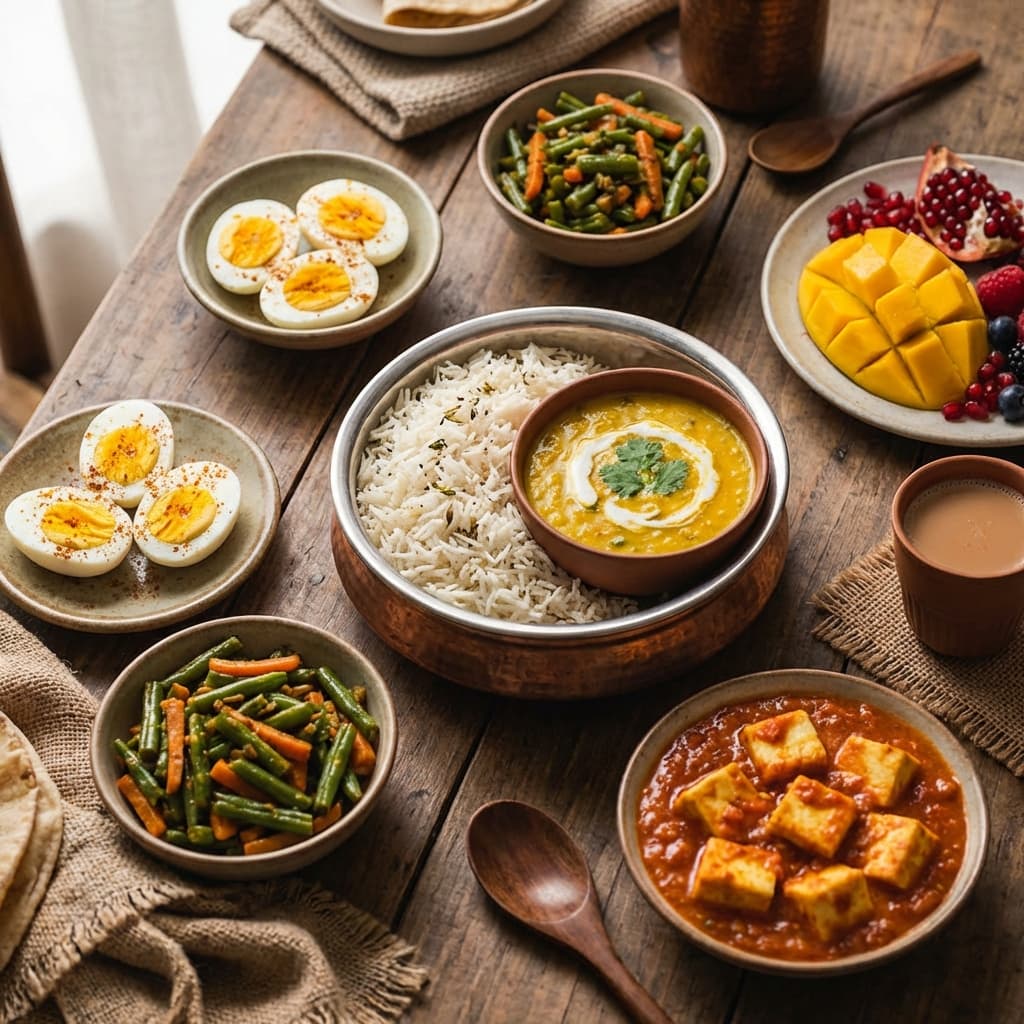
Chai is typically a blend of black tea, spices (such as cardamom, cinnamon, ginger, cloves, and pepper), milk, and a sweetener (sugar or honey). The nutritional profile varies greatly based on the specific ingredients and their proportions. Black tea forms the base, providing caffeine, which acts as a stimulant by blocking adenosine receptors in the brain. A standard cup (240ml) of black tea contains approximately 47mg of caffeine. Clinical studies show that caffeine consumption close to bedtime can significantly reduce sleep duration and quality, particularly REM sleep. The spices in chai offer a range of potential health benefits. Ginger possesses anti-inflammatory properties due to compounds like gingerol, as demonstrated in numerous studies on arthritis and muscle soreness. Cinnamon contains cinnamaldehyde, which has been shown in nutrition research to improve insulin sensitivity and lower blood sugar levels in some individuals. Cardamom may have antioxidant and diuretic effects. Cloves are rich in eugenol, an antioxidant with potential anti-inflammatory and antimicrobial properties. Milk contributes calcium (around 300mg per cup of cow's milk), protein (8g per cup), and vitamin D (if fortified). The glycemic index (GI) of chai depends heavily on the type and amount of sweetener used. Unsweetened chai has a very low GI, while chai sweetened with sugar can have a GI ranging from 55 to 70, depending on concentration. Digestion speed is moderate, with the milk and spices slowing down the absorption of caffeine compared to drinking plain black tea. The metabolic impact of chai is complex. Caffeine can temporarily increase metabolism, while the spices may improve insulin sensitivity. However, the added sugar contributes to caloric intake and can lead to weight gain if consumed in excess. Research indicates that the antioxidants in tea and spices, such as polyphenols, can protect against cellular damage and reduce the risk of chronic diseases. However, these benefits are often offset by the negative effects of caffeine and added sugar, particularly when consumed at night. The tannins in tea can also inhibit the absorption of iron, especially non-heme iron from plant-based sources. Furthermore, the milk content can interfere with the absorption of certain antioxidants. Therefore, opting for chai made with plant-based milk alternatives like almond or soy milk may improve antioxidant absorption. The bioavailability of nutrients in chai is also affected by the brewing method and the quality of ingredients. Freshly ground spices and high-quality tea leaves generally provide a greater concentration of beneficial compounds. Boiling chai for an extended period can degrade some of the volatile oils in the spices, reducing their potency.