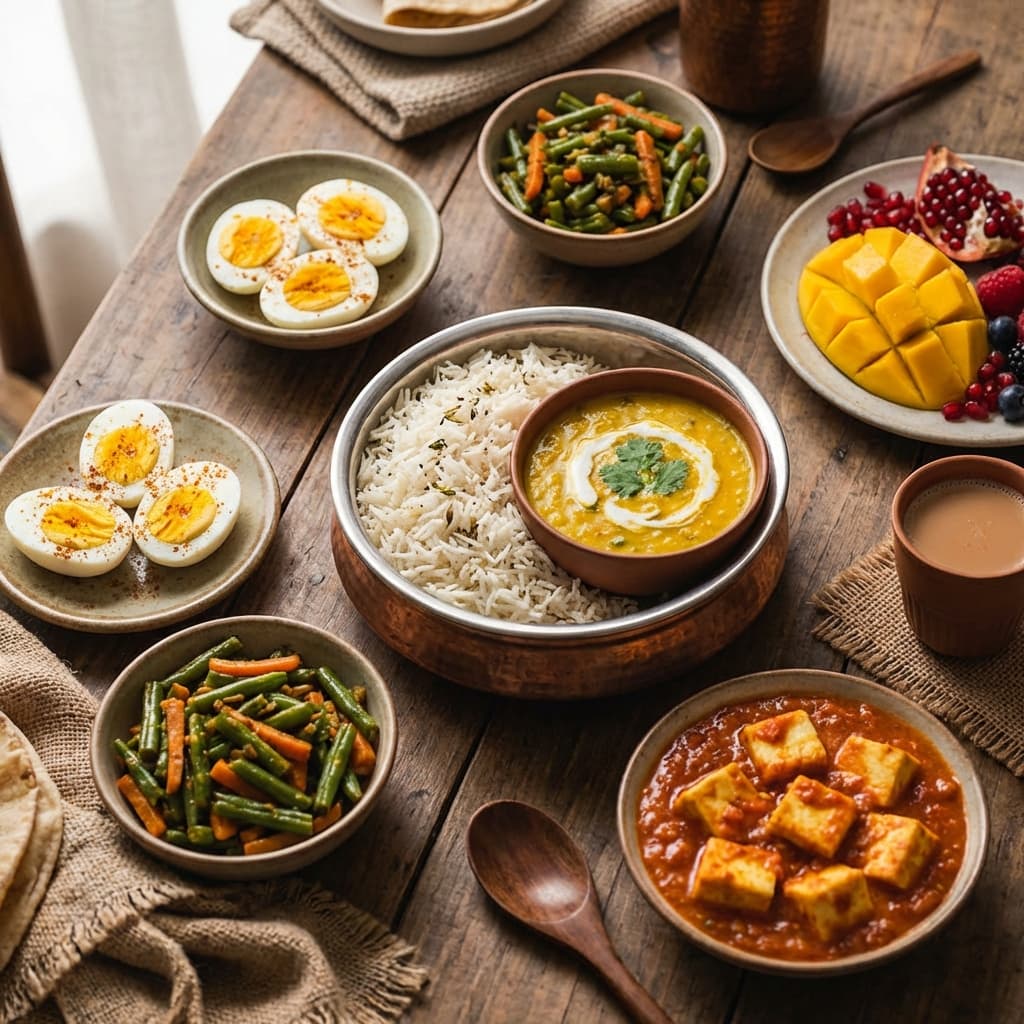
Healthy food background
MODERATE ⚠️Last Updated: 1/12/2026

Can I Eat Tea ?

Tea, in its various forms (black, green, white, herbal), offers numerous health benefits thanks to its antioxidants and other bioactive compounds. However, the presence of caffeine in certain teas, particularly black and green tea, means that timing is crucial. While enjoying tea throughout the day is generally safe, excessive consumption or drinking it too close to bedtime can disrupt sleep and potentially impact nutrient absorption from meals. Herbal teas, being caffeine-free, offer more flexibility in timing.

Key Insight

The oxidation level of tea leaves dramatically impacts its antioxidant profile. White tea, being the least processed, retains the highest concentration of beneficial catechins, while black tea, being fully oxidized, has a different but still valuable set of antioxidants called theaflavins and thearubigins.

The Science Behind Tea

Tea's nutritional value stems primarily from its bioactive compounds, rather than macronutrients. A standard cup (240ml) of brewed tea contains negligible calories (around 2-5 kcal) and virtually no fat, carbohydrates, or protein. The true power lies in its micronutrients and phytochemicals.

* **Antioxidants:** Tea is exceptionally rich in polyphenols, particularly catechins (especially abundant in green tea), theaflavins, and thearubigins (primarily found in black tea). Clinical studies show these compounds act as potent antioxidants, scavenging free radicals and reducing oxidative stress. Research indicates that green tea catechins like epigallocatechin gallate (EGCG) exhibit anti-inflammatory and anti-cancer properties.

* **Minerals:** Tea provides trace amounts of minerals like manganese (essential for bone health and metabolism), potassium (important for electrolyte balance), and fluoride (beneficial for dental health). The mineral content varies depending on the type of tea and the soil in which the tea leaves are grown.

* **Vitamins:** While not a significant source, tea contains small amounts of vitamins like vitamin C (though this is reduced during processing) and some B vitamins.

* **Caffeine:** Black, green, and white teas contain caffeine, a stimulant that can enhance alertness and cognitive function. The caffeine content varies widely, ranging from 30-70mg per cup in black tea to 20-45mg in green tea. The caffeine in tea is often bound to tannins, resulting in a slower and more sustained release compared to coffee, leading to a less intense 'buzz' and crash.

* **L-Theanine:** Tea, particularly green tea, contains L-theanine, an amino acid that promotes relaxation and reduces anxiety. Nutrition research indicates that L-theanine works synergistically with caffeine to improve focus and cognitive performance without the jitters often associated with coffee.

* **GI Index:** Tea has a negligible Glycemic Index (GI) and Glycemic Load (GL) as it contains virtually no carbohydrates. Therefore, it does not significantly impact blood sugar levels when consumed plain.

* **Digestion and Metabolic Impact:** Tea, especially green tea, may have a slight thermogenic effect, meaning it can slightly increase metabolism and fat burning. However, this effect is modest and not a substitute for a healthy diet and exercise. The polyphenols in tea can also influence gut microbiota composition, potentially promoting the growth of beneficial bacteria. However, some individuals may experience mild gastrointestinal upset due to the tannins in tea, especially when consumed on an empty stomach.

🌍

Global & Cultural Insights

Tea is an integral part of Indian culture, often enjoyed multiple times a day. From the milky, spiced 'chai' to the lighter green teas, it's a ubiquitous beverage. In Ayurveda, tea is viewed as having specific properties depending on the type. Black tea, being more stimulating, is considered to balance Vata dosha, while green tea's cooling properties are seen as beneficial for Pitta dosha. However, excessive consumption of strong chai with milk and sugar can lead to digestive issues and weight gain, especially when paired with high-carbohydrate Indian meals like roti or rice. Opting for lighter teas, reducing sugar and milk, and avoiding tea immediately after meals are ways to integrate tea into a healthy Indian lifestyle.

Who Should Eat Tea?

For People with Diabetes/Insulin Resistance

Recommended

Plain tea (without added sugar or milk) is a beneficial beverage for individuals with diabetes or insulin resistance. Its negligible GI and GL ensure it does not spike blood sugar levels. The antioxidants in tea may also improve insulin sensitivity over time, as suggested by some studies. Choose herbal teas or green tea for minimal impact on blood sugar. Consider teas with cinnamon, as cinnamon may also help regulate blood sugar.

Caution

Avoid adding sugar, honey, or sweetened milk to your tea. Check the ingredient list of herbal teas to ensure they don't contain hidden sugars. Be mindful of caffeine intake, as it can sometimes affect blood sugar control in some individuals. Monitor your blood sugar levels after consuming tea to understand your individual response.

For Weight Loss & Metabolism

Recommended

Tea, particularly green tea, can be a valuable addition to a weight loss plan. Its low caloric density and potential thermogenic effect can contribute to a calorie deficit. The caffeine in tea can also suppress appetite and increase energy expenditure. Choose unsweetened tea and avoid adding high-calorie milk or cream. Drinking tea between meals can help curb cravings and prevent overeating. Aim for 2-3 cups of green tea per day to maximize its potential benefits.

Caution

Beware of sweetened tea beverages, as they can be high in calories and added sugars, negating any potential weight loss benefits. Avoid drinking tea too late in the day, as the caffeine may interfere with sleep, which is crucial for weight management. Do not rely solely on tea for weight loss; it should be part of a comprehensive healthy lifestyle.

For Athletes & Muscle Gain

Recommended

While tea is not a primary source of protein for muscle gain, it offers several benefits for athletes. The antioxidants in tea can help reduce muscle damage and inflammation after intense workouts, promoting faster recovery. The caffeine in tea can enhance performance by increasing alertness and reducing perceived exertion during exercise. Consider drinking green tea before or after workouts for its antioxidant and performance-enhancing effects.

Caution

Avoid drinking tea immediately before or after taking creatine supplements, as some compounds in tea may interfere with creatine absorption. Be mindful of caffeine intake, as excessive caffeine can lead to dehydration and negatively impact performance. Ensure adequate hydration by drinking plenty of water alongside tea.

For Heart Health & Cholesterol

Recommended

Tea, especially green and black tea, has been linked to improved heart health. Studies suggest that the antioxidants in tea can lower LDL (bad) cholesterol levels, reduce blood pressure, and improve blood vessel function. Regular tea consumption may also reduce the risk of heart disease and stroke. Incorporate 2-3 cups of tea into your daily routine for potential heart health benefits.

Caution

Be mindful of added sugar or milk, as these can increase calorie and fat intake, potentially negating the heart-healthy benefits of tea. Avoid drinking extremely hot tea, as it may increase the risk of esophageal cancer. Choose tea varieties that are naturally low in sodium.

For Digestive Health (Gut)

Recommended

Tea can have both positive and negative effects on digestive health. The polyphenols in tea may promote the growth of beneficial gut bacteria, contributing to a healthy gut microbiome. Herbal teas like chamomile and ginger can soothe digestive discomfort and reduce bloating. Consider drinking herbal tea after meals to aid digestion.

Caution

The tannins in tea can bind to minerals like iron, potentially hindering their absorption. Avoid drinking tea immediately before or after meals, especially if you are iron-deficient. Some individuals may experience heartburn or acid reflux after drinking tea, particularly on an empty stomach. If you have digestive issues, start with small amounts of tea and monitor your symptoms. Peppermint tea can exacerbate acid reflux in some individuals.

Timing Your Nutrition

Best Time

The best time to drink tea depends on the type of tea and your individual goals. For black or green tea, mid-morning or mid-afternoon is ideal for a caffeine boost without disrupting sleep. Avoid drinking caffeinated tea within 4-6 hours of bedtime. Herbal teas can be enjoyed throughout the day, including before bed, as they are caffeine-free and often have calming properties.

⚠️

Avoid When

Avoid drinking caffeinated tea too close to bedtime (at least 4-6 hours before) due to its stimulant effects, which can interfere with sleep. Also, avoid drinking tea immediately before or after meals, especially if you are at risk of iron deficiency, as the tannins in tea can inhibit iron absorption.

🍽️

Pair With

Drinking tea with meals is generally acceptable, but it's best to wait at least 30 minutes after a meal to avoid potential iron absorption issues. If you are consuming iron-rich foods, avoid drinking tea with that meal. Pairing tea with citrus fruits or other vitamin C-rich foods can enhance the absorption of antioxidants.

Portion Control

Ideal Serving

2-3 cups (480-720ml) of tea per day is generally considered a safe and beneficial amount for most adults. This allows you to reap the health benefits without excessive caffeine intake.

Max Per Day

Limit caffeine intake to no more than 400mg per day. This translates to approximately 5-6 cups of black tea or 8-10 cups of green tea. Individual tolerance to caffeine varies, so it's important to listen to your body and adjust your intake accordingly.

Frequency

Daily consumption of tea is generally safe and encouraged for its potential health benefits. However, it's important to vary your tea choices and incorporate herbal teas to avoid excessive caffeine intake.

Common Myth

"The longer you steep tea, the stronger and better it gets."

Not quite true
The Reality

Over-steeping tea, especially black and green tea, releases excessive tannins, resulting in a bitter and astringent taste. The optimal steeping time varies depending on the type of tea, but generally ranges from 2-3 minutes for green tea and 3-5 minutes for black tea. Experiment with steeping times to find your preferred flavor profile.

Fact Checked

💡 Expert Tip

"Brew your tea at a lower temperature (around 175°F or 80°C) to preserve more of its delicate antioxidants and reduce bitterness. Overheating tea can destroy some of the beneficial compounds and release more tannins, resulting in a less flavorful and potentially more irritating beverage. Use a thermometer to ensure accurate brewing temperature."

Common Questions

Does Tea cause weight gain?

Plain tea, without added sugar or milk, is virtually calorie-free and does not directly cause weight gain. Weight gain occurs when you consume more calories than you burn. Adding sugar, honey, or sweetened milk to your tea significantly increases its calorie content and can contribute to weight gain if consumed in excess. Furthermore, the insulin response triggered by added sugars can promote fat storage. Choose unsweetened tea and be mindful of portion sizes to avoid weight gain.

Can I drink Tea on an empty stomach?

Drinking tea on an empty stomach can cause digestive discomfort for some individuals. The tannins in tea can irritate the stomach lining and increase acidity, leading to heartburn or nausea. Furthermore, the caffeine in tea can stimulate the release of stomach acid, exacerbating these symptoms. If you have a sensitive stomach, it's best to avoid drinking tea on an empty stomach and consume it with or after a meal. Herbal teas are generally gentler on the stomach and may be a better option for those with digestive issues.

How does Tea affect sleep?

Caffeinated teas, such as black and green tea, can interfere with sleep due to their stimulant effects. Caffeine blocks adenosine, a neurotransmitter that promotes relaxation and sleepiness. This can make it difficult to fall asleep, reduce sleep quality, and increase awakenings during the night. Avoid drinking caffeinated tea within 4-6 hours of bedtime to minimize its impact on sleep. Herbal teas, being caffeine-free, are a better choice for evening consumption as they often have calming properties that can promote relaxation and sleep.

Is Tea good for skin/hair?

Tea contains antioxidants, such as polyphenols, which can protect the skin and hair from damage caused by free radicals. These antioxidants can help reduce inflammation, improve skin elasticity, and promote hair growth. Green tea, in particular, is rich in catechins, which have been shown to have anti-aging and skin-protective effects. Tea also contains small amounts of vitamins and minerals that are essential for healthy skin and hair. While drinking tea can contribute to overall skin and hair health, it's important to maintain a balanced diet and proper skincare routine for optimal results.

Need a Personalized Diet Plan?

Generalized advice is good, but your body is unique. Upload your recent health report and get AI-powered nutrition guidance tailored specifically to your bloodwork.

Get My Personalized Plan

What Should You Do Next?

Analyze Your Report

Upload your lab PDF to get a full AI breakdown instantly.

Upload PDF

Food Decisions

Confused about what to eat? Check our food guide.

Food Guide

Start Health Journey

Create a personalized profile to track your progress.

Get Started