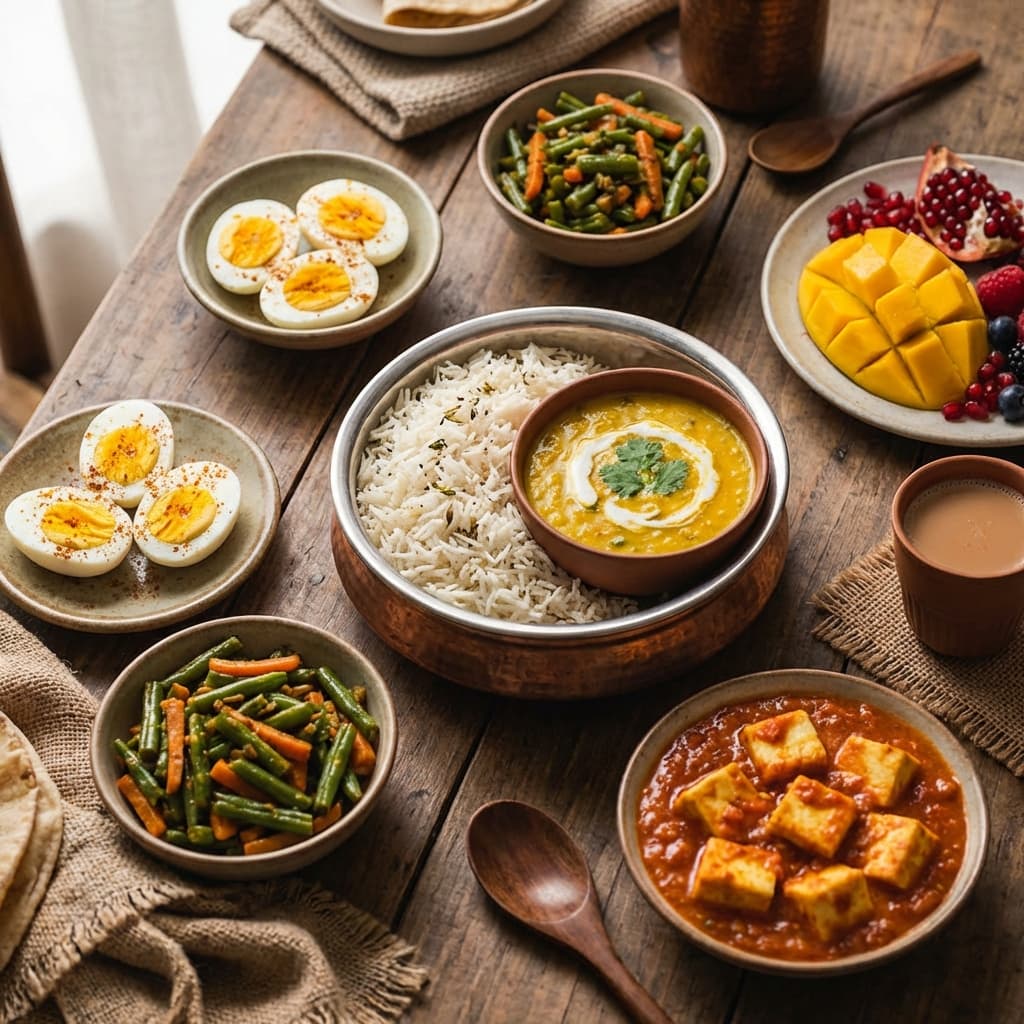
Healthy food background
MODERATE ⚠️on Empty StomachLast Updated: 1/12/2026

Can I Eat Tea on Empty Stomach?

While tea offers numerous health benefits thanks to its antioxidants and potential to boost metabolism, consuming it on an empty stomach, particularly strong black tea or those with high tannin content, can lead to acidity, heartburn, and discomfort for some individuals. This is because tea can stimulate the release of stomach acid. Certain types of tea, like herbal or green tea, may be gentler, but monitoring your body's reaction is crucial. Consider pairing your morning tea with a light snack to mitigate potential negative effects.

Key Insight

The theanine in tea, known for its calming effects, can actually be more pronounced when consumed in a fasted state, potentially enhancing focus and reducing anxiety, but this comes with the caveat of potential digestive upset for sensitive individuals.

The Science Behind Tea

Tea, primarily derived from the *Camellia sinensis* plant, is a complex beverage with a rich chemical composition. It's virtually calorie-free when consumed without added milk or sugar. Macronutrient-wise, tea contributes negligible amounts of carbohydrates, fats, or proteins. Its significance lies in its micronutrient and bioactive compounds.

**Micronutrients:** Tea contains trace amounts of minerals like manganese (essential for bone health and enzyme function), potassium (important for maintaining electrolyte balance and blood pressure), and fluoride (beneficial for dental health). The concentration of these minerals varies depending on the type of tea and the growing conditions.

**Bioactive Compounds:** The most prominent bioactive compounds in tea are polyphenols, specifically flavonoids like catechins, including epigallocatechin gallate (EGCG), epigallocatechin (EGC), epicatechin gallate (ECG), and epicatechin (EC). These compounds are potent antioxidants, protecting cells from damage caused by free radicals. Clinical studies show that EGCG, in particular, exhibits anti-inflammatory, anti-cancer, and cardioprotective properties.

**Tannins:** Tea also contains tannins, which contribute to its astringency and can interfere with iron absorption. The higher the tannin content, the more likely it is to bind to iron in the digestive tract, reducing its bioavailability. This effect is more pronounced with black tea compared to green or herbal teas.

**Caffeine:** Tea contains caffeine, a stimulant that can enhance alertness, improve cognitive function, and boost metabolism. The caffeine content varies depending on the type of tea, brewing method, and steeping time. Black tea generally has the highest caffeine content (around 40-70mg per cup), followed by oolong tea (30-60mg), green tea (20-45mg), and white tea (15-30mg). Decaffeinated tea contains minimal caffeine (less than 2mg).

**Digestion and Metabolic Impact:** Tea, in its purest form, has a negligible Glycemic Index (GI). It doesn't significantly raise blood sugar levels. However, adding sugar or honey will increase its GI. The polyphenols in tea can positively influence metabolism by increasing energy expenditure and promoting fat oxidation. Nutrition research indicates that EGCG can enhance the activity of enzymes involved in fat metabolism. Consuming tea on an empty stomach can increase gastric acid secretion. The tannins and caffeine can also irritate the stomach lining in sensitive individuals. However, for those who tolerate it well, the enhanced focus from caffeine and the potential metabolic boost from polyphenols may be beneficial. The speed of digestion of plain tea is very rapid due to the lack of macronutrients. Therefore, drinking it before a workout can provide a quick energy boost (if caffeine is desired and tolerated). Adding milk will slow digestion somewhat due to the introduction of protein and fat.

Portion Control

Ideal Serving

The ideal portion size is typically 1-2 cups (240-480ml) of tea per serving. Most people can comfortably consume 3-4 cups of tea per day.

Max Per Day

Limit your daily caffeine intake to no more than 400mg, which is roughly equivalent to 5-6 cups of black tea or 8-10 cups of green tea. Excessive caffeine consumption can lead to anxiety, insomnia, and digestive issues.

Frequency

Daily consumption of tea is generally considered safe and beneficial for most people. However, listen to your body and adjust your intake based on your individual tolerance and sensitivities.

Common Myth

"Tea is a complete source of vitamins and minerals."

Not quite true
The Reality

While tea contains trace amounts of various vitamins and minerals, it is not a significant source of these nutrients. Tea should not be relied upon as a primary source of essential vitamins and minerals. A balanced diet rich in fruits, vegetables, and whole grains is essential for meeting your nutritional needs.

Fact Checked

💡 Expert Tip

"For a more sustained energy boost without the jitters, try adding a small amount of healthy fat, such as a teaspoon of coconut oil or MCT oil, to your tea. The fat will slow down the absorption of caffeine, providing a smoother and longer-lasting energy curve. This is sometimes called 'bulletproof tea'."

Common Questions

Does Tea cause weight gain?

Plain tea, without added sugar or milk, is virtually calorie-free and does not contribute to weight gain. However, adding sugar, honey, or high-fat milk to your tea can significantly increase its calorie content. Weight gain occurs when you consume more calories than you burn, regardless of the source. If you are consuming several cups of sweetened tea per day, the added calories can contribute to a calorie surplus, potentially leading to weight gain. Additionally, the sugar in sweetened tea can cause insulin spikes, which can promote fat storage. Choose unsweetened tea or use a low-calorie sweetener in moderation to avoid unnecessary calories.

Can I drink Tea on an empty stomach?

Drinking strong black tea or teas high in tannins on an empty stomach can stimulate the release of stomach acid, potentially leading to acidity, heartburn, and discomfort for some individuals. The caffeine can also irritate the stomach lining. For those with sensitive stomachs, this can be particularly problematic. Green tea or herbal teas may be gentler options. However, it's always best to listen to your body and see how you react. If you experience any discomfort, consider drinking tea after a light meal or snack.

How does Tea affect sleep?

Tea contains caffeine, a stimulant that can interfere with sleep. Caffeine blocks adenosine, a neurotransmitter that promotes relaxation and sleepiness. The effects of caffeine vary from person to person, depending on their individual sensitivity and metabolism. Consuming caffeinated teas close to bedtime can make it difficult to fall asleep and may disrupt sleep quality. Herbal teas, such as chamomile or lavender, are naturally caffeine-free and can have calming effects that promote sleep. It's advisable to avoid caffeinated teas at least 4-6 hours before bedtime.

Is Tea good for skin/hair?

Tea, particularly green tea, contains antioxidants like EGCG, which can protect skin cells from damage caused by free radicals and UV radiation. These antioxidants may help reduce wrinkles, improve skin elasticity, and promote a healthy complexion. The anti-inflammatory properties of tea can also help soothe skin conditions like acne and eczema. Additionally, the caffeine in tea can stimulate hair follicles, promoting hair growth and reducing hair loss. However, more research is needed to fully understand the effects of tea on skin and hair.

Metabolic Intelligence Engine

Check this food for YOUR A1C

Stop reading generalizations. Get a personalized metabolic safety score instantly.

Personalized Score
A1C Optimized
Free Guide

Get your 7-Day Blood Sugar Friendly Plan.

Join 2,000+ others who optimized their A1C using our metabolic food guide. Perfect for Prediabetes & High Cholesterol.

  • Top 5 hidden sugar foods to avoid
  • Smart carb swaps for Indian meals
  • The 'Metabolic Timing' rule
  • Simple grocery checklist

Ready to Download

Your personalized metabolic blueprint is ready. No email required.

Unlocked: Full 5-Page Guide

What Should You Do Next?

Instant Score

Type any food to see its impact on your blood sugar instantly.

Check Score

Smart Alternatives

Find safer swaps for your favorite Indian snacks and meals.

Browse Swaps

Join Pro

Unlock unlimited searches and save your metabolic history.

Go Pro

Get your Personalized Safe Score

Verify Food