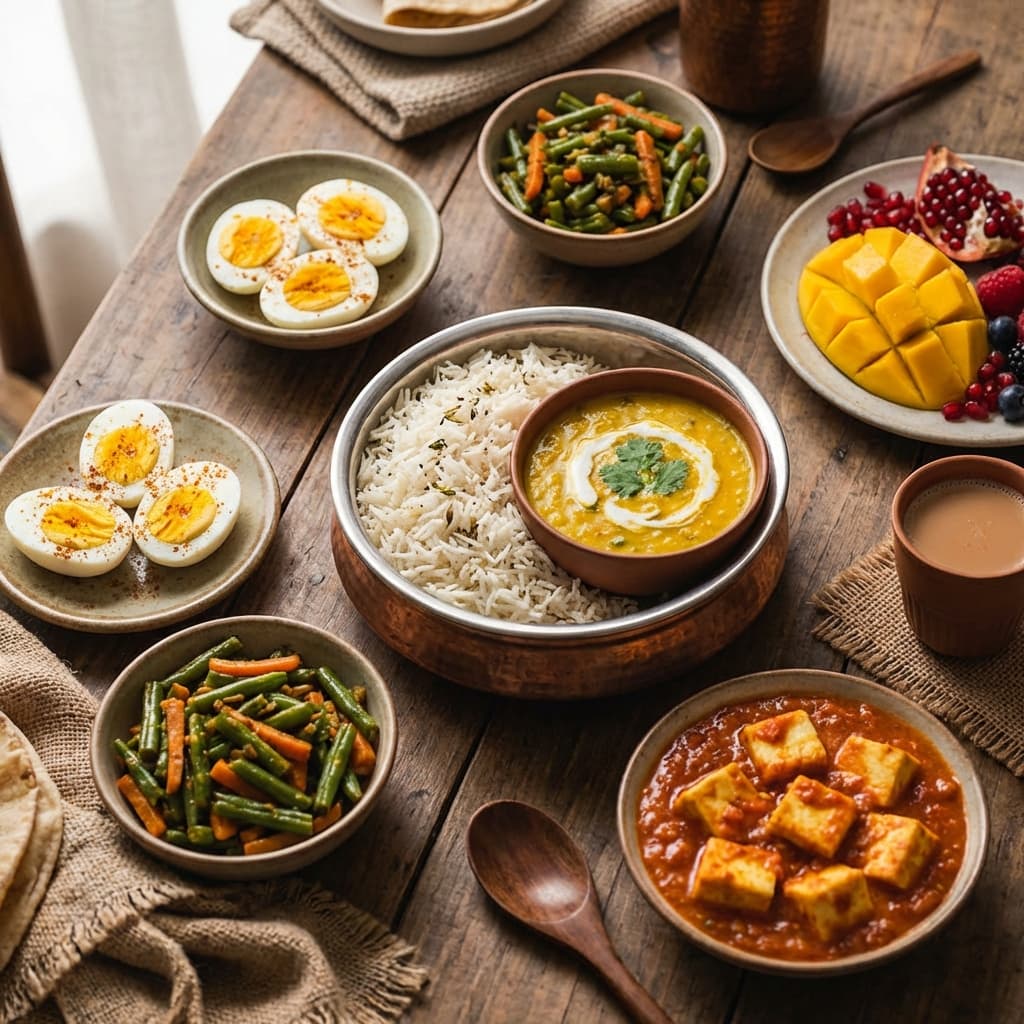
Healthy food background
MODERATE ⚠️Last Updated: 1/12/2026

Can I Eat Green Tea ?

Green tea offers numerous health benefits thanks to its rich antioxidant content, particularly epigallocatechin gallate (EGCG). While generally safe to consume throughout the day, timing matters. Drinking it too close to bedtime can disrupt sleep due to its caffeine content. For optimal absorption of antioxidants, avoid consuming it with milk. Consider individual sensitivities to caffeine and adjust intake accordingly for a balanced approach.

Key Insight

The antioxidant EGCG in green tea bioavailability is significantly increased when consumed with Vitamin C-rich foods like lemon or amla (Indian gooseberry), enhancing its health benefits.

The Science Behind Green Tea

Green tea is primarily composed of water, polyphenols (catechins), and caffeine. Macronutrient content is negligible, contributing virtually zero calories. The star of the show is the catechin family, particularly Epigallocatechin Gallate (EGCG), a potent antioxidant. Nutrition research indicates that EGCG combats oxidative stress and inflammation, key factors in chronic diseases. Clinical studies show that green tea consumption is associated with improved cardiovascular health, cognitive function, and even cancer prevention.

Micronutrient-wise, green tea contains trace amounts of vitamins and minerals, including Vitamin C, Vitamin K, folic acid, and potassium, but not in significant quantities to contribute substantially to daily needs. The caffeine content in green tea varies depending on the brewing method, type of tea, and leaf quality, typically ranging from 30-50mg per cup (240ml). This is significantly lower than coffee but enough to provide a stimulating effect.

Green tea does not have a Glycemic Index (GI) score as it contains negligible carbohydrates and does not significantly impact blood sugar levels. Its digestion speed is rapid, with the liquid form allowing for quick absorption of the beneficial compounds. The metabolic impact of green tea is primarily attributed to its thermogenic properties, which can slightly increase energy expenditure. Clinical studies show that EGCG can enhance fat oxidation, contributing to potential weight management benefits. However, the effect is modest and requires consistent consumption alongside a healthy diet and exercise routine. Furthermore, theanine, an amino acid in green tea, promotes relaxation and mental clarity, counteracting some of the jittery effects of caffeine. The complex interplay of these compounds makes green tea a unique and beneficial beverage. It's important to note that the quality of green tea significantly impacts its nutritional value. High-quality loose leaf tea, properly brewed, will offer a greater concentration of beneficial compounds than lower-quality tea bags.

🌍

Global & Cultural Insights

Green tea has gained significant popularity in India as a healthier alternative to traditional milk-based chai. While chai often contains high amounts of sugar and saturated fat, green tea offers a refreshing and calorie-free option. In Ayurveda, green tea is considered a 'warming' beverage, which can help balance Vata and Kapha doshas. It is believed to aid digestion and promote detoxification. Modern Indians are increasingly incorporating green tea into their daily routines, often consuming it alongside meals or as a mid-afternoon pick-me-up. It can be paired with traditional Indian snacks like khakhra or roasted nuts. However, it's important to note that drinking green tea immediately after a heavy Indian meal rich in iron (like spinach-based dishes or lentil curries) may inhibit iron absorption. Therefore, it's best to space out green tea consumption from iron-rich meals.

Who Should Eat Green Tea?

For People with Diabetes/Insulin Resistance

Recommended

Green tea is an excellent beverage choice for individuals with diabetes or insulin resistance due to its negligible impact on blood sugar levels. Studies suggest that green tea consumption can improve insulin sensitivity and glucose metabolism. Aim for 2-3 cups daily, unsweetened.

Caution

Avoid adding sugar, honey, or artificial sweeteners, as these can negate the benefits. Be mindful of the caffeine content, especially if you are sensitive to it or have other health conditions. Monitor blood sugar levels regularly to assess individual responses.

For Weight Loss & Metabolism

Recommended

Green tea can be a helpful addition to a weight loss plan due to its low caloric density and potential thermogenic effects. EGCG may promote fat oxidation and increase energy expenditure. Drink 2-4 cups daily, spaced throughout the day, for optimal benefits. It can also act as a mild appetite suppressant.

Caution

Don't rely solely on green tea for weight loss. It's most effective when combined with a balanced diet and regular exercise. Avoid drinking it too late in the day, as the caffeine can interfere with sleep, which is crucial for weight management. Be aware of the potential diuretic effect and stay adequately hydrated.

For Athletes & Muscle Gain

Recommended

Green tea's antioxidant properties can aid in muscle recovery by reducing oxidative stress caused by intense exercise. It does not directly contribute to protein intake or muscle building but can support overall health and recovery. Consider drinking a cup after workouts to reduce inflammation.

Caution

While green tea supports recovery, it shouldn't replace proper hydration or protein intake. Pre-workout consumption should be tested for individual tolerance to caffeine, as it could cause jitters or anxiety in some individuals. Avoid excessive consumption, as it can interfere with nutrient absorption.

For Heart Health & Cholesterol

Recommended

Clinical studies show that green tea consumption is associated with a reduced risk of cardiovascular disease. It can help lower LDL (bad) cholesterol levels and improve blood vessel function. Aim for 2-3 cups daily as part of a heart-healthy diet.

Caution

Individuals on blood-thinning medications should consult their doctor before consuming large amounts of green tea, as it may interact with these medications. Be mindful of added sugars or sweeteners, which can negatively impact heart health. Choose unsweetened varieties or sweeten naturally with a small amount of stevia or monk fruit.

For Digestive Health (Gut)

Recommended

Green tea is generally well-tolerated and doesn't contain significant amounts of fiber. Its antioxidant properties may benefit gut health by reducing inflammation. Some studies suggest it may promote the growth of beneficial gut bacteria, though more research is needed.

Caution

Some individuals may experience mild digestive discomfort, such as nausea or stomach upset, especially when consumed on an empty stomach. If you have a sensitive stomach or acid reflux, start with small amounts and avoid drinking it on an empty stomach. Avoid extremely hot temperatures, as they can irritate the esophagus.

Timing Your Nutrition

Best Time

The best time to drink green tea is generally in the mid-morning or early afternoon. This allows you to benefit from the caffeine boost without interfering with sleep. Drinking it between meals can also optimize the absorption of antioxidants, as certain food components can hinder their bioavailability. Avoid drinking it immediately before or after meals containing iron-rich foods, as the tannins in green tea can inhibit iron absorption.

⚠️

Avoid When

Avoid drinking green tea within 3-4 hours of bedtime due to its caffeine content, which can disrupt sleep patterns. Individuals sensitive to caffeine should avoid it even earlier in the day. Also, avoid drinking it immediately after taking medications, as it may interfere with their absorption. Check with your doctor or pharmacist about potential interactions.

🍽️

Pair With

While not ideal to consume directly with meals, pairing green tea with Vitamin C-rich foods enhances EGCG absorption. Squeeze some lemon juice into your green tea or have a small serving of amla (Indian gooseberry) alongside it. Avoid pairing it with milk or dairy products, as the casein protein can bind to the catechins and reduce their bioavailability.

Portion Control

Ideal Serving

The ideal portion is 1-2 cups (240-480ml) of freshly brewed green tea per serving. Aim for 2-4 cups (480-960ml) spread throughout the day.

Max Per Day

The maximum safe limit is generally considered to be around 5-6 cups (1200-1440ml) per day. Exceeding this amount may lead to adverse effects, such as caffeine-related side effects (anxiety, insomnia, rapid heart rate), iron deficiency (due to tannin interference), or liver toxicity (in rare cases).

Frequency

Green tea can be consumed daily as part of a healthy diet. Consistency is key to reaping its long-term health benefits.

Common Myth

"Green tea is a magical weight loss solution."

Not quite true
The Reality

While green tea can support weight loss efforts due to its thermogenic properties and potential to enhance fat oxidation, it is not a magical solution. Weight loss is a complex process that requires a holistic approach, including a balanced diet, regular exercise, and adequate sleep. Green tea can be a helpful addition to a healthy lifestyle, but it won't lead to significant weight loss on its own. It's important to manage expectations and focus on sustainable lifestyle changes for long-term weight management.

Fact Checked

💡 Expert Tip

"Brew your green tea at a lower temperature (around 175°F or 80°C) and for a shorter duration (1-3 minutes) to minimize bitterness and maximize the extraction of beneficial catechins. Avoid using boiling water, as it can destroy some of the antioxidants and result in a bitter taste. Experiment with different brewing times to find your preferred flavor profile."

Common Questions

Does Green Tea cause weight gain?

Green tea, in its pure form, contains virtually no calories and therefore does not directly contribute to weight gain. Weight gain occurs when you consume more calories than you burn over an extended period. However, adding sugar, honey, or other sweeteners to green tea significantly increases its caloric content, potentially leading to weight gain if consumed in excess. Focus on drinking unsweetened green tea to maximize its health benefits without adding unnecessary calories. Remember, weight management is primarily determined by overall calorie balance and lifestyle habits.

Can I drink Green Tea on an empty stomach?

Drinking green tea on an empty stomach is generally not recommended, especially for individuals with sensitive stomachs or acid reflux. The tannins in green tea can increase stomach acidity, potentially causing nausea, discomfort, or heartburn. While green tea doesn't significantly impact insulin levels, the increased acidity can irritate the stomach lining. It's best to consume green tea after a light meal or snack to minimize the risk of digestive upset.

How does Green Tea affect sleep?

Green tea contains caffeine, a stimulant that can interfere with sleep if consumed too close to bedtime. Caffeine blocks adenosine, a neurotransmitter that promotes relaxation and sleepiness. The effect of caffeine varies depending on individual sensitivity and metabolism. Even though green tea contains less caffeine than coffee, it can still disrupt sleep patterns in some individuals. Avoid drinking green tea within 3-4 hours of bedtime to ensure restful sleep.

Is Green Tea good for skin/hair?

Green tea's antioxidant properties, particularly EGCG, can benefit skin and hair health. EGCG helps protect against free radical damage, which contributes to aging, wrinkles, and skin inflammation. It may also reduce acne and improve skin hydration. For hair, green tea can stimulate hair growth by promoting blood circulation to the scalp and reducing hair loss. While drinking green tea provides internal benefits, using green tea extract in skincare products or hair masks can offer more direct and concentrated effects.

Need a Personalized Diet Plan?

Generalized advice is good, but your body is unique. Upload your recent health report and get AI-powered nutrition guidance tailored specifically to your bloodwork.

Get My Personalized Plan

What Should You Do Next?

Analyze Your Report

Upload your lab PDF to get a full AI breakdown instantly.

Upload PDF

Food Decisions

Confused about what to eat? Check our food guide.

Food Guide

Start Health Journey

Create a personalized profile to track your progress.

Get Started