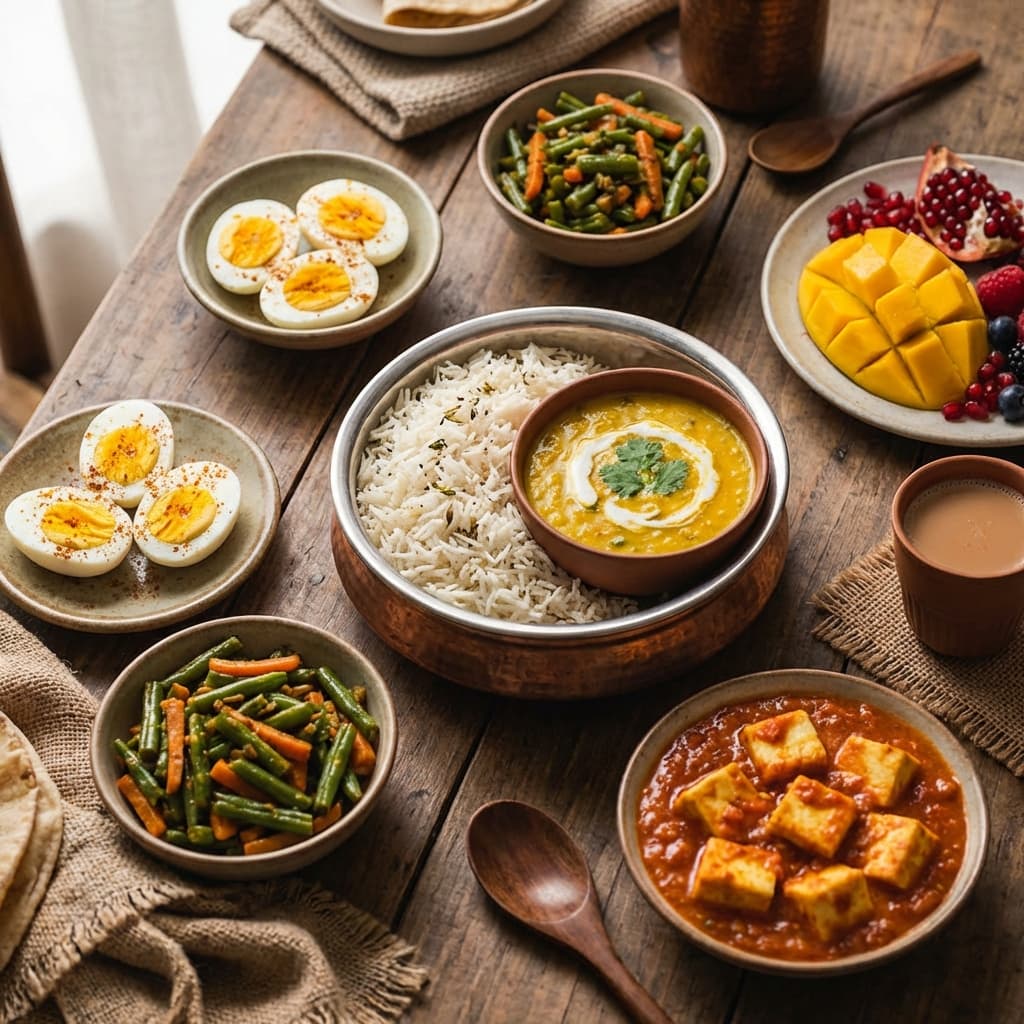
Healthy food background
MODERATE ⚠️at NightLast Updated: 1/12/2026

Can I Eat Tea at Night?

Drinking tea at night can be a relaxing ritual, but it's crucial to consider the caffeine content, especially with black and green teas. Herbal teas, being naturally caffeine-free, are a safer option for nighttime consumption. If you opt for caffeinated tea, limit the amount and consume it at least a few hours before bedtime to avoid disrupting sleep patterns. Consider the potential diuretic effect as well, which may lead to nighttime awakenings.

Key Insight

The caffeine content in tea varies significantly depending on the type of tea and brewing method. White tea, often considered the least processed, can sometimes contain more caffeine than green tea due to variations in leaf maturity at harvest.

The Science Behind Tea

Tea, derived from the *Camellia sinensis* plant, is a complex beverage with a diverse chemical composition. Its primary active components include polyphenols, caffeine, theanine, and various vitamins and minerals. Polyphenols, particularly catechins like epigallocatechin gallate (EGCG), are potent antioxidants that have been linked to various health benefits. Nutrition research indicates that EGCG may protect against cellular damage, reduce inflammation, and improve cardiovascular health. Clinical studies show that regular tea consumption is associated with a reduced risk of stroke and heart disease. The caffeine content in tea acts as a stimulant, increasing alertness and reducing fatigue. A standard cup (240ml) of black tea contains approximately 40-70mg of caffeine, while green tea contains around 30-50mg. White tea generally has a lower caffeine content, but this can vary. Oolong tea falls somewhere in between. Theanine, an amino acid unique to tea, promotes relaxation without causing drowsiness. It works synergistically with caffeine to enhance cognitive function and improve focus. Tea also contains small amounts of vitamins and minerals, including vitamin C, vitamin K, folate, and potassium. The GI index of unsweetened tea is negligible, having virtually no impact on blood sugar levels. However, adding sugar or honey will significantly increase its glycemic load. The digestion speed of tea is rapid, with caffeine and other compounds being absorbed into the bloodstream within 30-60 minutes. The metabolic impact of tea is primarily driven by its caffeine and polyphenol content. Caffeine stimulates thermogenesis, the process of heat production in the body, which can slightly increase metabolism. Polyphenols, on the other hand, may influence glucose metabolism and insulin sensitivity. Certain teas, like pu-erh, have been studied for their potential effects on lipid metabolism. The diuretic effect of tea, due to its caffeine content, increases urine production, potentially impacting hydration levels if not balanced with sufficient water intake. Studies also indicate that the antioxidants in tea can combat oxidative stress, a key factor in aging and chronic diseases. However, excessive tea consumption can interfere with iron absorption due to the presence of tannins, especially when consumed with meals. Therefore, individuals with iron deficiency should be mindful of their tea intake.

🌍

Global & Cultural Insights

Tea is deeply ingrained in Indian culture, often enjoyed multiple times a day. Masala chai, a spiced tea beverage, is a popular staple. Traditionally, tea is consumed with milk and sugar, which can increase its caloric content. In Ayurvedic medicine, tea is considered to have both beneficial and potentially aggravating effects depending on an individual's dosha (constitution). For example, those with a Vata dosha may find that tea aggravates their dryness and anxiety, while those with a Kapha dosha may benefit from its stimulating effects. In a modern Indian lifestyle, tea can be incorporated into a healthy diet by opting for unsweetened varieties, choosing herbal teas, and being mindful of caffeine intake, especially at night. Consider pairing tea with healthy snacks like nuts or fruits instead of sugary biscuits or fried foods. When consuming tea with meals, be mindful of iron absorption, particularly if your diet is primarily vegetarian and relies heavily on rice and roti.

Who Should Eat Tea?

For People with Diabetes/Insulin Resistance

Recommended

Unsweetened herbal teas are generally safe and can even be beneficial due to their antioxidant properties. Green tea, in particular, has shown potential in improving insulin sensitivity. Clinical studies suggest that regular consumption of green tea may help regulate blood sugar levels. Opt for teas without added sugars or artificial sweeteners.

Caution

Avoid sweetened teas, as they can cause rapid spikes in blood sugar levels. Monitor blood glucose levels after consuming tea, especially if it contains any added ingredients. Be mindful of the potential for interactions with diabetes medications.

For Weight Loss & Metabolism

Recommended

Tea, especially green tea, can be a helpful addition to a weight loss plan due to its low caloric density and potential metabolism-boosting effects. The catechins in green tea may promote fat oxidation. A cup of unsweetened tea contains virtually zero calories and can help suppress appetite. Opt for teas with natural flavors rather than added sugars.

Caution

Avoid sweetened teas and excessive consumption, as the caffeine content can lead to anxiety and sleep disturbances, indirectly hindering weight loss efforts. Be mindful of the diuretic effect of tea and ensure adequate hydration.

For Athletes & Muscle Gain

Recommended

While tea doesn't contain protein, its antioxidant properties can aid in muscle recovery by reducing oxidative stress caused by intense exercise. Some studies suggest that green tea extract may improve exercise performance. Consider drinking green tea or herbal tea after workouts to support recovery.

Caution

Avoid consuming caffeinated tea immediately before or after workouts, as it can interfere with hydration and electrolyte balance. Be mindful of potential diuretic effects and ensure adequate fluid intake. Excessive caffeine intake can also lead to muscle cramps.

For Heart Health & Cholesterol

Recommended

Tea, particularly green and black tea, has been linked to improved cardiovascular health. Studies show that regular tea consumption can lower LDL cholesterol levels and reduce the risk of heart disease. The antioxidants in tea help protect against oxidative damage to blood vessels. Choose teas with minimal processing to maximize their antioxidant content.

Caution

Avoid adding excessive amounts of sugar or milk to tea, as this can negate its heart-healthy benefits. Be mindful of the sodium content in some commercially prepared teas. If you have high blood pressure, monitor your caffeine intake.

For Digestive Health (Gut)

Recommended

Certain herbal teas, such as ginger and peppermint tea, can aid digestion and relieve bloating. They have carminative properties that help reduce gas and improve gut motility. Green tea contains prebiotics that can nourish beneficial gut bacteria. Opt for herbal teas specifically formulated for digestive health.

Caution

Avoid consuming excessive amounts of tea, as the tannins can interfere with nutrient absorption. Some individuals may experience acidity or heartburn after drinking tea, especially on an empty stomach. If you have Irritable Bowel Syndrome (IBS), be mindful of the caffeine content and choose caffeine-free options.

Timing Your Nutrition

Best Time

The best time to drink tea, especially caffeinated varieties, is in the morning or early afternoon. This allows you to benefit from the alertness-boosting effects of caffeine without disrupting your sleep later in the day. For herbal teas, which are caffeine-free, any time of day is generally suitable.

⚠️

Avoid When

Avoid drinking caffeinated tea within 4-6 hours of bedtime. Caffeine has a half-life of approximately 5 hours, meaning that half of the caffeine you consume will still be in your system after that time. This can interfere with sleep onset and reduce sleep quality. The diuretic effect of tea can also lead to nighttime awakenings.

🍽️

Pair With

Drinking tea with meals can interfere with iron absorption due to the presence of tannins. It's best to consume tea between meals, at least one hour before or after eating, to minimize this effect. If you have iron deficiency, consider adding lemon juice to your tea, as vitamin C can enhance iron absorption.

Portion Control

Ideal Serving

1-3 cups (240-720ml) per day for caffeinated teas, spread throughout the day. For herbal teas, 3-5 cups per day is generally considered safe.

Max Per Day

Exceeding 5 cups (1200ml) of caffeinated tea per day can lead to anxiety, insomnia, and digestive issues. Excessive consumption of herbal teas may also have adverse effects, depending on the specific herbs used.

Frequency

Daily, but with mindful consideration of caffeine content and individual tolerance.

Common Myth

"All teas are equally high in caffeine."

Not quite true
The Reality

The caffeine content in tea varies significantly depending on the type of tea, brewing method, and leaf maturity. Black tea generally has the highest caffeine content, followed by oolong and green tea. White tea can sometimes contain more caffeine than green tea, depending on the specific variety. Herbal teas are naturally caffeine-free.

Fact Checked

💡 Expert Tip

"For a caffeine-free nighttime tea ritual, try blending different herbal teas like chamomile, lavender, and valerian root. These herbs have synergistic effects that promote relaxation and improve sleep quality. Add a pinch of cinnamon for added flavor and antioxidant benefits."

Common Questions

Does Tea cause weight gain?

Unsweetened tea itself does not cause weight gain, as it contains virtually zero calories. Weight gain occurs when you consume more calories than you burn. However, adding sugar, honey, or milk to tea can significantly increase its caloric content and potentially contribute to weight gain if consumed in excess. The insulin response to added sugars can also promote fat storage. Therefore, it's crucial to be mindful of the ingredients you add to your tea.

Can I eat Tea on an empty stomach?

Drinking tea on an empty stomach can cause acidity and heartburn in some individuals, particularly those with sensitive stomachs or pre-existing digestive issues. The tannins in tea can irritate the stomach lining and stimulate acid production. Additionally, the caffeine in tea can trigger the release of cortisol, a stress hormone, which can further exacerbate acidity. If you experience discomfort, it's best to consume tea after meals or with a small snack.

How does Tea affect sleep?

Caffeinated tea can interfere with sleep by blocking adenosine, a neurotransmitter that promotes relaxation and sleepiness. Caffeine also stimulates the central nervous system, making it harder to fall asleep and stay asleep. The diuretic effect of tea can lead to nighttime awakenings to urinate. Herbal teas, being caffeine-free, are less likely to disrupt sleep and may even promote relaxation due to the presence of compounds like chamomile or lavender.

Is Tea good for skin/hair?

Tea, particularly green tea, contains antioxidants that can benefit skin and hair health. The polyphenols in tea help protect against free radical damage, which can contribute to premature aging and skin problems. Green tea extract is often used in skincare products due to its anti-inflammatory and antimicrobial properties. Tea also contains vitamins and minerals that are essential for healthy hair growth, such as vitamin C and zinc. Regular consumption of tea can help improve skin hydration and reduce hair loss.

Need a Personalized Diet Plan?

Generalized advice is good, but your body is unique. Upload your recent health report and get AI-powered nutrition guidance tailored specifically to your bloodwork.

Get My Personalized Plan

What Should You Do Next?

Analyze Your Report

Upload your lab PDF to get a full AI breakdown instantly.

Upload PDF

Food Decisions

Confused about what to eat? Check our food guide.

Food Guide

Start Health Journey

Create a personalized profile to track your progress.

Get Started