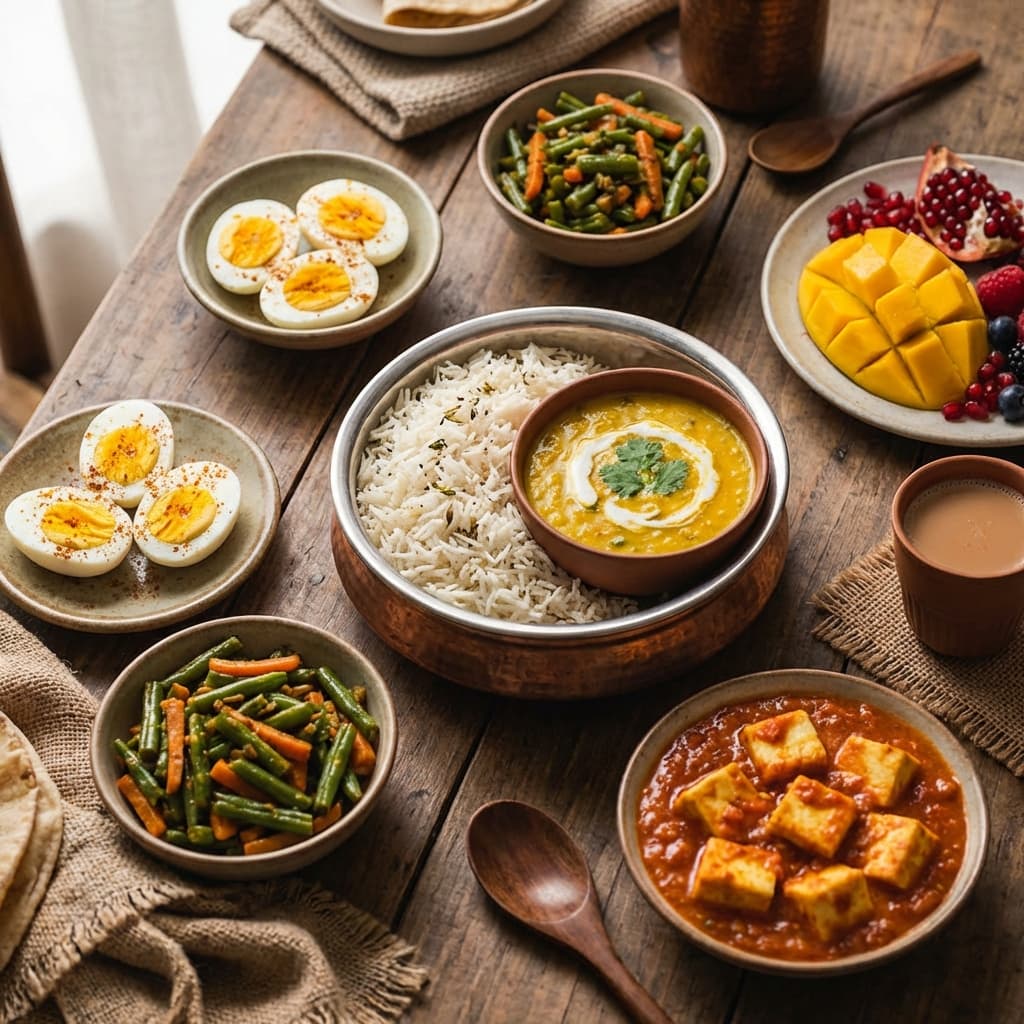
Healthy food background
MODERATE ⚠️After WorkoutLast Updated: 1/12/2026

Can I Eat Tea After Workout?

Drinking tea after a workout can offer benefits like antioxidant support and hydration, but it's not a straightforward 'yes'. The caffeine content in some teas might interfere with sleep or recovery for some individuals. Choosing herbal teas or opting for decaffeinated versions may be a better option, especially if you're sensitive to caffeine or working out in the evening. Furthermore, consider the type of tea and any additions like milk or sugar, as these can impact its overall benefits post-exercise.

Key Insight

The catechins in green tea can potentially reduce exercise-induced muscle damage, aiding in faster recovery, but the caffeine could counteract some of the benefits if consumed too close to bedtime.

The Science Behind Tea

Tea, particularly *Camellia sinensis* (the source of black, green, white, and oolong teas), is a complex beverage with a wide array of bioactive compounds. It's virtually calorie-free when consumed without additives like milk or sugar. Nutritionally, tea is not a significant source of macronutrients like protein, carbohydrates, or fats. Its primary value lies in its micronutrient profile and phytochemicals.

The key micronutrients in tea include manganese (essential for bone health and metabolism) and potassium (an important electrolyte for fluid balance). However, the amounts are relatively small, contributing negligibly to daily requirements. Clinical studies show that tea is exceptionally rich in polyphenols, specifically flavonoids, with catechins being the most abundant, particularly in green tea. Epigallocatechin gallate (EGCG), a potent catechin, is a subject of extensive nutrition research, demonstrating antioxidant and anti-inflammatory properties.

The digestion speed of tea is rapid due to its liquid form. The polyphenols are absorbed in the small intestine, and their bioavailability is influenced by several factors, including individual gut health and the presence of other nutrients in the gut. For example, milk proteins can bind to polyphenols, potentially reducing their absorption. Nutrition research indicates that the metabolic impact of tea is multifaceted. The caffeine content stimulates thermogenesis, potentially contributing to a slight increase in energy expenditure. However, this effect is typically modest. Furthermore, tea consumption has been linked to improved insulin sensitivity in some studies, although the exact mechanisms are still under investigation. The GI index of plain tea is negligible, as it contains no carbohydrates or sugars. However, adding sweeteners will significantly increase the GI. Clinical studies involving green tea extract have shown promising results in reducing oxidative stress and muscle damage after exercise, due to the presence of EGCG. Theanine, an amino acid found in tea, can promote relaxation and potentially counteract the stimulating effects of caffeine, promoting better sleep quality when consumed moderately and earlier in the day. Black tea is also known to contain theaflavins and thearubigins, which also boast antioxidant properties. Some studies have suggested that these compounds can help lower blood pressure and improve cardiovascular health. Overall, the nutritional value of tea lies in its rich antioxidant profile and its potential to impact various metabolic processes, though the effects are often subtle and influenced by individual factors and preparation methods.

Portion Control

Ideal Serving

1-3 cups (240-720ml) of tea per day is generally considered ideal. For green tea, aim for 2-3 cups. For black tea, 1-2 cups might be sufficient to avoid excessive caffeine intake. Herbal teas can be consumed more liberally.

Max Per Day

Do not exceed 5 cups of tea per day, especially caffeinated varieties, to avoid potential side effects like anxiety, insomnia, or digestive upset. Pay attention to your body's response and adjust accordingly.

Frequency

Daily consumption of tea is generally safe and can offer numerous health benefits. However, moderation is key, and it's important to listen to your body's cues.

Common Myth

"All teas are created equal in terms of health benefits."

Not quite true
The Reality

This is false. Different types of tea have varying levels of antioxidants and other bioactive compounds. Green tea, for example, is particularly rich in EGCG, while black tea contains theaflavins and thearubigins. Herbal teas, being caffeine-free and often containing different beneficial herbs, offer unique health benefits compared to *Camellia sinensis* teas.

Fact Checked

💡 Expert Tip

"Biohack your tea consumption by adding a squeeze of lemon juice. The vitamin C in lemon enhances the absorption of catechins, maximizing their antioxidant benefits. Also, try cold-brewing your tea; this method extracts fewer tannins, resulting in a smoother, less bitter flavor and potentially reducing digestive discomfort."

Common Questions

Does Tea cause weight gain?

Plain tea, without any added sugars or milk, is virtually calorie-free and does not directly cause weight gain. Weight gain occurs when you consume more calories than you burn. However, adding sugar, honey, or high-fat milk to your tea significantly increases its caloric content. If you're consuming several cups of sweetened tea daily, the extra calories can contribute to a calorie surplus and potentially lead to weight gain. Therefore, opting for unsweetened tea or using low-calorie sweeteners is a better choice for weight management.

Can I eat Tea on an empty stomach?

Consuming strong black tea on an empty stomach may cause discomfort for some individuals due to its acidity and caffeine content. The tannins in tea can irritate the stomach lining and potentially lead to nausea or heartburn. Additionally, the caffeine can stimulate the production of stomach acid. Some people can tolerate tea on an empty stomach without any issues, whereas others might experience digestive upset. Herbal teas, being less acidic and caffeine-free, are generally a safer option on an empty stomach. If you experience discomfort, it's best to consume tea after a meal.

How does Tea affect sleep?

Tea's effect on sleep largely depends on its caffeine content. Caffeine is a stimulant that can interfere with the sleep-wake cycle by blocking adenosine, a neurotransmitter that promotes relaxation and sleepiness. Consuming caffeinated tea close to bedtime can delay sleep onset, reduce sleep quality, and lead to restlessness. However, theanine, an amino acid present in tea, can promote relaxation and potentially counteract some of the stimulating effects of caffeine. Herbal teas, being caffeine-free, do not typically interfere with sleep and can even promote relaxation due to their calming properties. Choose herbal teas in the evening to avoid any disruption to sleep patterns.

Is Tea good for skin/hair?

Tea, particularly green tea, contains antioxidants that can benefit skin and hair health. The polyphenols in tea, such as EGCG, protect against free radical damage, which can contribute to premature aging and skin damage. These antioxidants can help improve skin elasticity and reduce inflammation. Some studies suggest that green tea extract can promote hair growth and reduce hair loss by blocking dihydrotestosterone (DHT), a hormone linked to hair loss. Drinking tea regularly, combined with a balanced diet and skincare routine, can contribute to healthier skin and hair.

Metabolic Intelligence Engine

Check this food for YOUR A1C

Stop reading generalizations. Get a personalized metabolic safety score instantly.

Personalized Score
A1C Optimized
Free Guide

Get your 7-Day Blood Sugar Friendly Plan.

Join 2,000+ others who optimized their A1C using our metabolic food guide. Perfect for Prediabetes & High Cholesterol.

  • Top 5 hidden sugar foods to avoid
  • Smart carb swaps for Indian meals
  • The 'Metabolic Timing' rule
  • Simple grocery checklist

Ready to Download

Your personalized metabolic blueprint is ready. No email required.

Unlocked: Full 5-Page Guide

What Should You Do Next?

Instant Score

Type any food to see its impact on your blood sugar instantly.

Check Score

Smart Alternatives

Find safer swaps for your favorite Indian snacks and meals.

Browse Swaps

Join Pro

Unlock unlimited searches and save your metabolic history.

Go Pro

Get your Personalized Safe Score

Verify Food