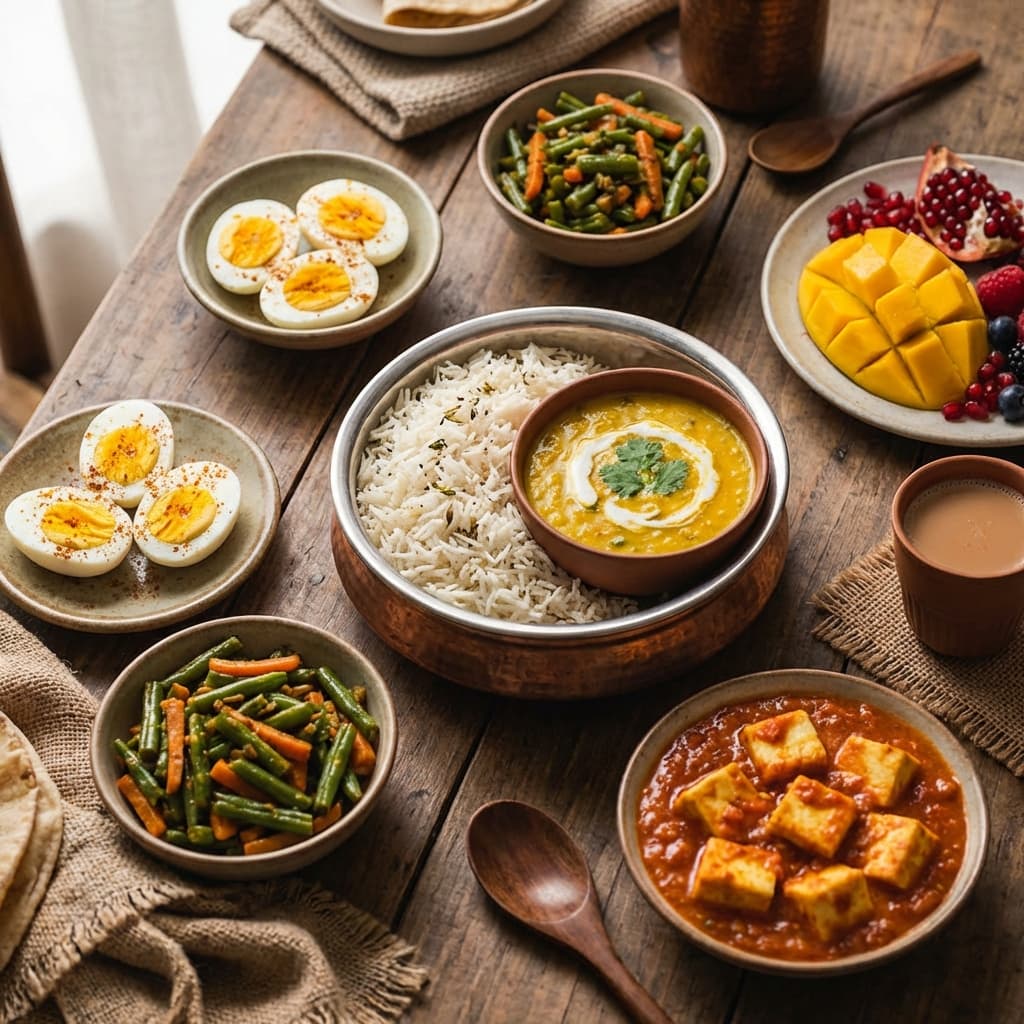
Healthy food background
MODERATE ⚠️After WorkoutLast Updated: 1/12/2026

Can I Eat Chai After Workout?

Chai, particularly after a workout, can offer benefits like hydration and antioxidant intake from the tea spices. However, it's crucial to consider the added sugar and milk content, which can hinder optimal post-workout recovery. Opting for chai with minimal sugar or using alternatives like stevia, and choosing low-fat or plant-based milk, can mitigate these drawbacks. Therefore, chai can be a permissible post-workout beverage with careful modifications.

Key Insight

The tannins in tea can inhibit iron absorption, a crucial mineral for oxygen transport and muscle recovery after strenuous exercise. Consuming chai immediately after a workout might impair iron uptake.

The Science Behind Chai

Chai, traditionally a spiced tea beverage, derives its nutritional profile from its base ingredients: black tea, milk, spices, and often, sugar. Black tea is rich in polyphenols, particularly theaflavins and thearubigins, which are potent antioxidants. Clinical studies show these compounds can combat oxidative stress and inflammation, potentially aiding muscle recovery post-exercise. Nutrition research indicates that the antioxidant capacity of black tea is comparable to some fruits and vegetables.

The macronutrient composition is heavily influenced by the milk and sugar content. A typical cup (240ml) of chai made with full-fat milk and two teaspoons of sugar contains approximately 80-120 calories, 3-5g of fat (primarily saturated fat from the milk), 10-15g of carbohydrates (mostly from sugar and lactose), and 3-5g of protein. The Glycemic Index (GI) varies significantly based on sugar content. Unsweetened chai has a negligible GI, while a heavily sweetened version can have a GI ranging from 50-60.

The spices in chai, such as cardamom, cinnamon, ginger, and cloves, contribute micronutrients and bioactive compounds. Cinnamon, for example, contains cinnamaldehyde, which has demonstrated anti-inflammatory and insulin-sensitizing properties in some studies. Gingerol in ginger exhibits anti-nausea and anti-inflammatory effects. Cardamom provides trace amounts of minerals like potassium and magnesium. Cloves are a source of eugenol, an antioxidant with potential analgesic properties.

The digestion speed of chai is moderately fast. The liquid nature of the beverage facilitates rapid absorption of sugars and caffeine. Caffeine, a stimulant present in black tea, can provide a temporary energy boost but can also interfere with sleep if consumed too close to bedtime. The tannins in black tea can bind to non-heme iron (iron from plant-based sources), potentially reducing its absorption. The metabolic impact depends largely on the sugar content. High sugar intake can lead to a rapid spike in blood glucose and insulin levels, potentially hindering fat oxidation and promoting fat storage. The milk provides some protein, which contributes to satiety and muscle repair, but the amount is relatively small compared to dedicated protein sources. The fat content, especially from full-fat milk, can slow down digestion slightly, providing a sustained release of energy compared to purely sugary drinks.

Portion Control

Ideal Serving

1 cup (240ml) of chai made with low-fat or plant-based milk and minimal added sugar.

Max Per Day

2 cups (480ml) per day, especially if consuming caffeinated chai. Exceeding this amount may lead to excessive caffeine intake or increased sugar consumption.

Frequency

Daily consumption is generally safe for most individuals, but moderation is key. Pay attention to individual tolerance and adjust the frequency accordingly.

Common Myth

"Chai is a purely healthy beverage with no downsides."

Not quite true
The Reality

While chai offers antioxidants from tea and spices, it often contains significant amounts of added sugar and saturated fat from milk, which can negate some of the health benefits. The healthfulness of chai depends heavily on the ingredients and preparation methods. Unsweetened chai with low-fat or plant-based milk is a healthier option than commercially prepared, high-sugar versions.

Fact Checked

💡 Expert Tip

"For a post-workout boost without the sugar crash, brew a strong cup of chai using high-quality tea and spices. Then, blend it with ice, unsweetened almond milk, and a scoop of whey protein isolate. This provides a refreshing, protein-rich, and antioxidant-packed beverage that supports muscle recovery without the negative effects of added sugar."

Common Questions

Does Chai cause weight gain?

Chai itself is not inherently weight-gaining. Weight gain primarily occurs when consuming more calories than you burn. Chai's caloric content largely depends on the amount of added sugar and the type of milk used. High-sugar, full-fat milk chai can contribute significantly to daily calorie intake and, if consumed in excess, can lead to weight gain. Opting for unsweetened chai with low-fat or plant-based milk significantly reduces the caloric impact and minimizes the risk of weight gain. Furthermore, consider the overall context of your diet and exercise habits, as these are the primary determinants of weight management. High sugar chai can also lead to increased insulin which can further promote fat storage.

Can I eat Chai on an empty stomach?

Consuming chai on an empty stomach is generally not recommended, especially for individuals prone to acidity or digestive issues. Black tea contains tannins that can irritate the stomach lining and increase acid production. The caffeine content can also stimulate gastric acid secretion. This can lead to heartburn, nausea, or discomfort. Furthermore, if the chai contains milk, some lactose-intolerant individuals may experience bloating and gas. It is best to consume chai after a meal or snack to buffer the effects on the stomach.

How does Chai affect sleep?

Chai, particularly if made with black tea, contains caffeine, a stimulant that can interfere with sleep. Caffeine blocks adenosine, a neurotransmitter that promotes relaxation and sleepiness. Consuming chai close to bedtime can delay sleep onset, reduce sleep duration, and decrease sleep quality. The effects of caffeine vary depending on individual sensitivity. It is recommended to avoid consuming caffeinated chai at least 4-6 hours before bedtime to minimize its impact on sleep. Herbal chai options, without black tea, are caffeine-free and may be a better choice before bed.

Is Chai good for skin/hair?

Chai can offer some benefits for skin and hair due to its antioxidant content. The polyphenols in black tea, such as theaflavins and thearubigins, can protect against free radical damage, which contributes to premature aging and skin damage. The spices in chai, such as cinnamon and cloves, also contain antioxidants. Additionally, some spices contain compounds that may promote hair growth. However, the amounts of these beneficial compounds in a typical cup of chai are relatively small. A balanced diet rich in fruits, vegetables, and other nutrient-dense foods is more important for optimal skin and hair health.

Metabolic Intelligence Engine

Check this food for YOUR A1C

Stop reading generalizations. Get a personalized metabolic safety score instantly.

Personalized Score
A1C Optimized
Free Guide

Get your 7-Day Blood Sugar Friendly Plan.

Join 2,000+ others who optimized their A1C using our metabolic food guide. Perfect for Prediabetes & High Cholesterol.

  • Top 5 hidden sugar foods to avoid
  • Smart carb swaps for Indian meals
  • The 'Metabolic Timing' rule
  • Simple grocery checklist

Ready to Download

Your personalized metabolic blueprint is ready. No email required.

Unlocked: Full 5-Page Guide

What Should You Do Next?

Instant Score

Type any food to see its impact on your blood sugar instantly.

Check Score

Smart Alternatives

Find safer swaps for your favorite Indian snacks and meals.

Browse Swaps

Join Pro

Unlock unlimited searches and save your metabolic history.

Go Pro

Get your Personalized Safe Score

Verify Food