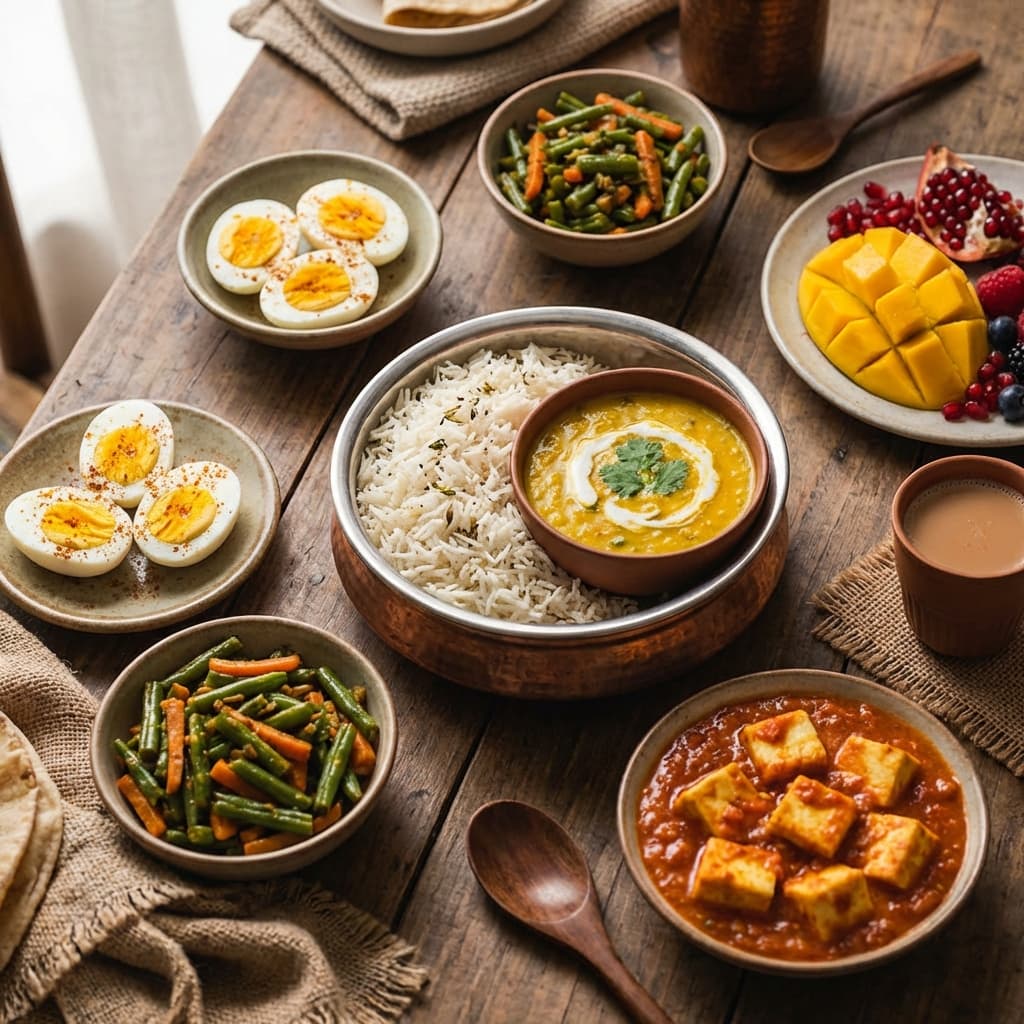
Healthy food background
MODERATE ⚠️in the MorningLast Updated: 1/12/2026

Can I Eat Chai in the Morning?

Chai in the morning can be a comforting and energy-boosting ritual, thanks to its caffeine content and warming spices like ginger and cardamom. However, its high sugar content and potential for acidity require mindful consumption. Opting for less sugar, using milk alternatives, and pairing it with a small, fiber-rich breakfast can mitigate potential downsides, turning your morning chai into a healthier experience. Remember that individual tolerance varies, so listening to your body's cues is crucial.

Key Insight

The black tea in chai contains L-theanine, an amino acid that promotes relaxation without drowsiness. This counteracts the jittery effects of caffeine, providing a more balanced and focused energy boost.

The Science Behind Chai

Chai's nutritional profile is largely dependent on its preparation, specifically the type and amount of milk and sugar added. At its core, chai consists of black tea and a blend of spices. Black tea contains negligible macronutrients, contributing less than 1 gram of carbohydrates, protein, or fat per serving (when consumed without milk and sugar). Its primary bioactive compounds are polyphenols, particularly theaflavins and thearubigins, which are potent antioxidants. Nutrition research indicates these polyphenols may contribute to improved cardiovascular health and reduced risk of certain cancers. Clinical studies show that black tea consumption is associated with modest improvements in blood pressure and cholesterol levels.

The spices commonly used in chai – cardamom, cinnamon, ginger, cloves, and black pepper – add micronutrients and bioactive compounds. Ginger, for example, is rich in gingerol, a compound with anti-inflammatory and anti-nausea properties. Cinnamon contains cinnamaldehyde, linked to improved insulin sensitivity in some studies. Cardamom offers trace amounts of manganese and potassium. Black pepper enhances the bioavailability of other nutrients.

However, the addition of milk and sugar significantly alters chai's nutritional composition. Cow's milk contributes protein (approximately 8 grams per cup), carbohydrates (lactose, around 12 grams per cup), and fat (ranging from low-fat to whole milk, with saturated fat content varying accordingly). The Glycemic Index (GI) of milk ranges from 30-32, considered low. Sugar, typically sucrose, adds pure carbohydrates and a significant calorie load (approximately 16 calories per teaspoon). Sucrose has a GI of around 65, considered medium, causing a faster blood sugar spike than milk alone.

The digestion speed of chai varies depending on its components. The caffeine in black tea is rapidly absorbed, leading to quick alertness. The sugars in milk and added sucrose are also quickly digested, providing readily available energy. However, the fats in milk and the complex carbohydrates in the spices slow down digestion slightly, leading to a more sustained release of energy compared to simply consuming sugary beverages. The metabolic impact depends on the overall calorie and sugar content. High sugar chai can lead to insulin spikes and contribute to weight gain if consumed in excess and without balancing dietary intake with physical activity. The antioxidants from tea and spices, though beneficial, are present in relatively small quantities and their metabolic impact is subtle compared to the effects of sugar and fat.

Furthermore, it's important to consider the potential presence of tannins in black tea. Tannins can bind to certain minerals like iron, potentially reducing their absorption. Clinical studies show this effect is more pronounced when tea is consumed with iron-rich meals. Finally, some chai recipes may contain small amounts of caffeine which will impact alertness.

🌍

Global & Cultural Insights

Chai, meaning 'tea' in Hindi, has a rich and varied cultural history across the globe. Tea consumption dates back thousands of years in China, and its spread to other parts of the world, including India, significantly shaped its cultural significance. In many Asian cultures, tea ceremonies and traditions are deeply ingrained, symbolizing hospitality, respect, and social connection. In Britain, afternoon tea became a quintessential social ritual, signifying elegance and refinement. In India, chai is more than just a beverage; it's an integral part of daily life. It's offered as a gesture of hospitality to guests, shared amongst family members, and enjoyed on street corners and in bustling tea stalls (chai wallahs). The Ayurvedic perspective views chai spices, such as ginger, cardamom, and cinnamon, as having warming and digestive properties, promoting balance and well-being. Traditional Indian chai recipes often vary regionally, with each family having their unique blend of spices and preferred milk. Chai is rarely consumed alone but is often paired with snacks like biscuits, pakoras, or samosas. It also complements traditional Indian meals, particularly flatbreads like roti or naan, providing a soothing and flavorful accompaniment.

Who Should Eat Chai?

For People with Diabetes/Insulin Resistance

Recommended

Chai can be part of a diabetes-friendly diet if prepared mindfully. Opt for sugar-free versions, using artificial sweeteners or stevia sparingly. Using unsweetened almond or soy milk instead of cow's milk can reduce the carbohydrate load. Monitor blood glucose levels after chai consumption to understand individual responses.

Caution

Avoid sugary chai at all costs. Even small amounts of added sugar can cause significant blood sugar spikes. Be cautious of hidden sugars in pre-made chai mixes. The added sugars impact the glycemic load.

For Weight Loss & Metabolism

Recommended

Chai's caloric density depends heavily on the milk and sugar content. Black tea itself is virtually calorie-free. To make it weight-loss friendly, minimize added sugar and use skim milk or unsweetened plant-based alternatives. The warmth and spices can contribute to a feeling of satiety, potentially reducing overall calorie intake later in the day.

Caution

Be wary of regularly consuming high-sugar chai, as it can contribute to a calorie surplus and hinder weight loss efforts. Avoid relying on chai alone for satiety, as it lacks substantial fiber and protein. Avoid timing the consumption right before bed, to prevent the quick sugar rush and caffeine hindering sleep.

For Athletes & Muscle Gain

Recommended

While chai doesn't offer significant protein content directly, the milk component provides some protein essential for muscle recovery. Consuming chai with a protein-rich snack like nuts or eggs can be beneficial after a workout to aid muscle repair. The caffeine can provide a pre-workout energy boost, potentially improving performance.

Caution

Be mindful of the sugar content, especially before or after intense workouts. Excess sugar can lead to energy crashes and hinder optimal recovery. Pre-workout, ensure sufficient protein to avoid muscle breakdown. Watch for any pre-existing sensitivity to caffiene that could impact performance.

For Heart Health & Cholesterol

Recommended

The black tea in chai contains antioxidants that may benefit heart health by reducing inflammation and improving blood vessel function. Using low-fat or skim milk reduces saturated fat intake, which is beneficial for cholesterol levels. Some spices, like cinnamon, have been linked to improved cholesterol profiles in some studies.

Caution

Avoid using whole milk or adding excessive amounts of sugar, as these can negatively impact cholesterol and triglyceride levels. Be mindful of sodium content in some commercially prepared chai mixes. The added fat in dairy products can be dangerous for cholesterol.

For Digestive Health (Gut)

Recommended

The spices in chai, particularly ginger, can aid digestion and reduce bloating. Some individuals find the warmth of chai soothing for the digestive system. However, chai itself will not add any fiber or probiotics.

Caution

The tannins in black tea can sometimes irritate the stomach lining, especially on an empty stomach. The caffeine and milk can also trigger acidity in some individuals. If prone to heartburn or acid reflux, consume chai in moderation and after a meal. Some spices may also cause heartburn.

Timing Your Nutrition

Best Time

The best time to drink chai in the morning is approximately 30-60 minutes after waking up, following a small, fiber-rich breakfast. This allows your body to stabilize blood sugar levels after the overnight fast, mitigating the potential for an excessive insulin response to the sugar in chai. The caffeine in chai will also provide a sustained energy boost without the initial crash.

⚠️

Avoid When

Strictly avoid drinking chai *immediately* upon waking on an empty stomach. This can exacerbate acidity, potentially leading to heartburn or indigestion. The caffeine and tannins in black tea can irritate the stomach lining, and the sudden sugar intake can cause a rapid blood sugar spike followed by a crash, leading to fatigue and cravings later in the day.

🍽️

Pair With

Pairing chai with a small, balanced breakfast containing fiber, protein, and healthy fats can significantly mitigate its negative effects. For example, consuming chai with a bowl of oatmeal with nuts and berries, or a whole-wheat toast with avocado and eggs, can slow down the absorption of sugar, preventing blood sugar spikes and providing sustained energy. Avoid paring with greasy or fried foods, which can slow down digestion and promote weight gain.

Portion Control

Ideal Serving

1 cup (240ml) of chai, prepared with approximately 150ml of milk and no more than 1 teaspoon (4 grams) of added sugar.

Max Per Day

2 cups (480ml) of chai per day, with strict adherence to low-sugar preparation and spacing the cups several hours apart to avoid excessive caffeine intake.

Frequency

Daily consumption is generally acceptable for healthy individuals, but mindful monitoring of sugar intake and individual tolerance is crucial. Reduce or eliminate chai consumption if experiencing negative side effects such as insomnia, anxiety, or digestive issues.

Common Myth

"Chai is a universally healthy beverage with no potential downsides."

Not quite true
The Reality

While chai offers potential benefits due to its antioxidants and spices, its high sugar content and potential for acidity can negate these benefits, especially when consumed in excess. The added sugars can contribute to weight gain, insulin resistance, and other health problems. Mindful preparation with minimal sugar and the use of milk alternatives is crucial to making chai a healthier choice. Many of the added spices can cause a plethora of issues if consumed in excessive amounts.

Fact Checked

💡 Expert Tip

"For an enhanced chai experience and potential health benefits, try brewing your own chai from scratch using whole spices. This allows you to control the ingredients and reduce added sugar. Lightly crush the spices before brewing to release their aromatic oils and maximize their beneficial compounds. Consider adding a pinch of black pepper to enhance the absorption of curcumin from turmeric, if included in your spice blend."

Common Questions

Does Chai cause weight gain?

Chai itself isn't inherently fattening, but *how* it's prepared can definitely contribute to weight gain. The primary culprits are the added sugar and the type of milk used. Consuming chai with excessive sugar creates a calorie surplus, which, over time, leads to weight gain. Moreover, the rapid insulin spike caused by sugary chai can promote fat storage. Choosing low-sugar alternatives and using skim milk or plant-based milk can significantly reduce the calorie and sugar content, making chai a less likely contributor to weight gain. It all depends on the overall dietary context and calorie balance.

Can I drink Chai on an empty stomach?

Drinking chai on an empty stomach is generally not recommended, especially for individuals prone to acidity or digestive issues. The caffeine and tannins in black tea can stimulate acid production in the stomach, potentially leading to discomfort, heartburn, or even nausea. Furthermore, the sudden sugar intake can cause a rapid insulin response, leading to a blood sugar crash later on, resulting in fatigue and cravings. It's best to consume chai after a small meal to buffer the effects on the stomach and blood sugar levels.

How does Chai affect sleep?

Chai contains caffeine, which is a stimulant that can interfere with sleep, particularly if consumed close to bedtime. Caffeine can block adenosine, a neurotransmitter that promotes relaxation and sleepiness. Additionally, the sugar content in chai can disrupt sleep patterns by causing blood sugar fluctuations throughout the night. It's advisable to avoid drinking chai at least 4-6 hours before bedtime to allow your body to metabolize the caffeine and stabilize blood sugar levels, promoting better sleep quality. Additionally, it's best to also avoid any sugary treats prior to bed.

Is Chai good for skin/hair?

Chai's potential benefits for skin and hair stem primarily from the antioxidants present in black tea and the spices. These antioxidants, such as polyphenols, help combat free radical damage, which contributes to premature aging and skin problems. Some spices like ginger have anti-inflammatory properties that can soothe skin irritations. However, chai is not a significant source of vitamins or minerals directly responsible for promoting hair growth or skin health. A balanced diet with a variety of nutrient-rich foods is essential for optimal skin and hair health, so do not relay on chai as the main contributor.

Need a Personalized Diet Plan?

Generalized advice is good, but your body is unique. Upload your recent health report and get AI-powered nutrition guidance tailored specifically to your bloodwork.

Get My Personalized Plan

What Should You Do Next?

Analyze Your Report

Upload your lab PDF to get a full AI breakdown instantly.

Upload PDF

Food Decisions

Confused about what to eat? Check our food guide.

Food Guide

Start Health Journey

Create a personalized profile to track your progress.

Get Started