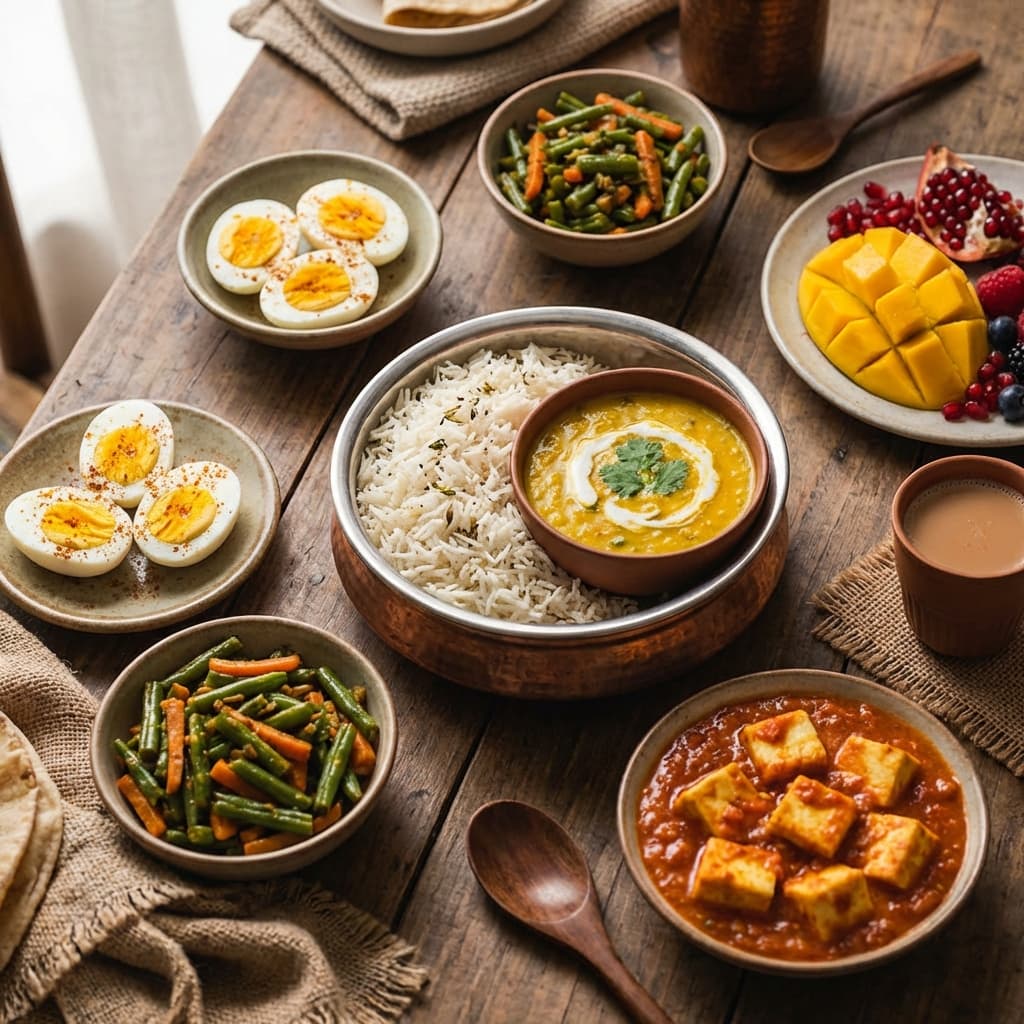
Healthy food background
MODERATE ⚠️Before WorkoutLast Updated: 1/12/2026

Can I Eat Chai Before Workout?

Drinking chai before a workout can offer benefits such as increased energy from caffeine and potential improvements in focus and alertness. However, it's crucial to consider the type of chai, especially its sugar and dairy content. High sugar levels can lead to energy crashes during exercise, while dairy can cause digestive discomfort for some. Opting for a low-sugar or sugar-free chai with non-dairy milk can mitigate these risks and provide a more sustained energy boost.

Key Insight

The caffeine in chai can enhance fat oxidation during exercise, potentially leading to greater calorie burn, but this effect is significantly reduced if the chai is loaded with sugar, negating the metabolic benefits.

The Science Behind Chai

Chai, traditionally a blend of black tea, spices like cardamom, cinnamon, ginger, cloves, and milk, offers a complex nutritional profile. The primary active components influencing pre-workout suitability are caffeine, antioxidants, and macronutrients from milk and added sweeteners. Black tea contains roughly 40-70mg of caffeine per cup (240ml), providing a stimulant effect that can improve alertness and reduce perceived exertion during exercise. Clinical studies show that caffeine, at dosages of 3-6mg/kg body weight, enhances endurance performance by improving muscle contractility and reducing fatigue. However, exceeding this dosage can lead to jitters, anxiety, and gastrointestinal distress.

The spices in chai, such as cinnamon and ginger, possess potent antioxidant and anti-inflammatory properties. Nutrition research indicates that cinnamon can improve insulin sensitivity, which might aid in glucose uptake during workouts, although this effect is more pronounced with regular consumption over weeks rather than a single pre-workout dose. Ginger has been shown to reduce muscle soreness and inflammation post-exercise, potentially accelerating recovery, but its immediate pre-workout benefit is primarily anti-nausea. The presence of milk (if used) contributes protein and carbohydrates. A typical cup of chai with 100ml of full-fat milk provides approximately 3-4g of protein and 5g of carbohydrates (primarily lactose). These macronutrients can offer a small energy boost. However, the fat content in full-fat milk (around 3g per 100ml) can slow digestion, potentially causing discomfort during high-intensity workouts. Skim milk or non-dairy alternatives like almond milk (negligible protein, low carbohydrate, and fat) or soy milk (approximately 3g protein, low carbohydrate, and fat) are lighter options. Added sugar is a significant consideration. Many commercially prepared or home-brewed chais contain excessive added sugar (sucrose or glucose), ranging from 10-30g per cup. This can lead to a rapid spike in blood glucose followed by a crash, negatively impacting workout performance. The Glycemic Index (GI) of chai varies significantly depending on the amount of added sugar. Unsweetened chai has a low GI, while heavily sweetened chai can have a medium to high GI. Digestion speed is influenced by the fat and sugar content. High-fat, high-sugar chai is digested slower than low-fat, low-sugar versions. The metabolic impact of chai depends heavily on its composition. The caffeine can increase metabolic rate slightly, while the spices offer antioxidant benefits. However, excessive sugar consumption can contribute to insulin resistance and weight gain over time. Therefore, understanding the ingredients and their quantities is paramount for optimizing chai consumption before a workout.

🌍

Global & Cultural Insights

Chai, meaning 'tea' in Hindi, has a rich global history deeply intertwined with trade routes and cultural exchange. Tea originated in China thousands of years ago and gradually spread to other parts of the world, including India. In the 19th century, the British East India Company established tea plantations in India to compete with Chinese tea production. Over time, tea cultivation flourished in India, and chai became a staple beverage enjoyed by people from all walks of life. Different cultures have incorporated tea into their traditions, with variations in preparation and consumption methods. For example, in Japan, the tea ceremony is a highly ritualized and meditative practice, while in Morocco, mint tea is a symbol of hospitality. In India, chai is more than just a beverage; it's a cultural institution. It's often served as a welcome drink to guests and is enjoyed during social gatherings and celebrations. Chai wallahs, or tea vendors, are a common sight on streets and railway stations, offering a comforting and affordable beverage to millions of people. In Indian cuisine, chai spices are sometimes used in savory dishes to add warmth and complexity. For instance, a pinch of cardamom or cinnamon can be added to biryanis or curries for a unique flavor profile. In Ayurveda, chai spices like ginger, cardamom, and cinnamon are believed to have therapeutic properties. Ginger is considered to be a digestive aid, cardamom is thought to have a calming effect, and cinnamon is believed to help regulate blood sugar levels. These spices are often incorporated into Ayurvedic remedies to promote overall health and well-being.

Who Should Eat Chai?

For People with Diabetes/Insulin Resistance

Recommended

Opt for unsweetened chai or use a natural, low-glycemic sweetener like stevia or erythritol. Focus on spices like cinnamon, which may improve insulin sensitivity. Using unsweetened almond milk or soy milk can also help minimize the impact on blood sugar levels.

Caution

Avoid chai with added sugar, honey, or syrups as these can cause rapid spikes in blood glucose levels, leading to hyperglycemia and potential complications. Limit the quantity to one small cup (120ml) to minimize carbohydrate intake. Monitor blood glucose levels before, during, and after exercise to assess the impact of chai on individual responses.

For Weight Loss & Metabolism

Recommended

Choose chai made with skim milk or non-dairy alternatives like almond milk to reduce caloric intake. Emphasize spices like ginger and cloves, which have thermogenic properties and may boost metabolism. Consider adding a pinch of cayenne pepper for an extra metabolic kick.

Caution

Beware of hidden calories from added sugar and full-fat milk. Regularly consuming high-calorie chai can contribute to a calorie surplus and hinder weight loss efforts. Avoid drinking chai too close to bedtime, as the caffeine can disrupt sleep and negatively impact metabolism.

For Athletes & Muscle Gain

Recommended

If dairy is tolerated, chai with milk can provide a small amount of protein and carbohydrates to fuel workouts. Consume chai 30-60 minutes before exercise to allow for caffeine absorption and digestion. Consider adding a scoop of whey protein isolate to your chai for an added protein boost.

Caution

Avoid drinking chai immediately before high-intensity workouts, as the milk and spices can cause digestive discomfort. Be mindful of added sugar, as it can lead to energy crashes during prolonged exercise. Focus on hydration with water throughout your workout.

For Heart Health & Cholesterol

Recommended

Choose chai made with skim milk or non-dairy alternatives to minimize saturated fat intake. The antioxidants in tea and spices can help protect against oxidative stress and inflammation, both of which are risk factors for heart disease. Spices like cinnamon and cloves have been shown to improve cholesterol levels in some studies.

Caution

Be cautious of high sodium content in some commercially prepared chai mixes. Excessive sodium intake can raise blood pressure and increase the risk of heart disease. Limit the consumption of chai with full-fat milk if you have high cholesterol levels.

For Digestive Health (Gut)

Recommended

Ginger, a common ingredient in chai, can aid digestion and reduce nausea. Lactose-free milk alternatives like almond or soy milk are easier to digest for individuals with lactose intolerance. Ensure that the tea used in your chai is of good quality to minimize the risk of gut irritation.

Caution

Dairy in chai can cause bloating, gas, and diarrhea in lactose-intolerant individuals. The tannins in black tea can bind to minerals and nutrients, potentially reducing their absorption. Excessive consumption of strong chai can lead to acidity and heartburn.

Timing Your Nutrition

Best Time

The best time to drink chai before a workout is approximately 30-60 minutes beforehand. This allows sufficient time for the caffeine to be absorbed into the bloodstream and exert its ergogenic effects. This timing also provides enough time for the body to process any sugars or carbohydrates present, preventing energy crashes during exercise.

⚠️

Avoid When

Avoid drinking chai immediately before or during a workout. Consuming chai immediately before exercise can lead to digestive discomfort due to the presence of milk and spices. Drinking chai during exercise can cause dehydration, as caffeine is a diuretic. Additionally, the sugar content can lead to fluctuations in blood glucose levels, impairing performance.

🍽️

Pair With

Pairing chai with a small, easily digestible snack that contains complex carbohydrates and protein can help to stabilize blood sugar levels and provide sustained energy. Options include a banana with a tablespoon of almond butter or a small bowl of oatmeal. This combination can also help to mitigate any potential digestive discomfort caused by the chai.

Portion Control

Ideal Serving

The ideal portion size for pre-workout chai is 1 cup (240ml). This provides a sufficient dose of caffeine and other beneficial compounds without overloading the digestive system.

Max Per Day

The maximum safe limit for pre-workout chai is 2 cups (480ml), but this should only be considered by individuals who are highly tolerant to caffeine and do not experience any adverse side effects. Exceeding this limit can lead to jitters, anxiety, and gastrointestinal distress.

Frequency

Drinking chai before workouts can be incorporated into a daily routine if desired, provided that the individual is mindful of the caffeine content and overall sugar intake. For those who are sensitive to caffeine, it is best to limit chai consumption to a few times per week.

Common Myth

"Chai is a healthy beverage because it contains spices."

Not quite true
The Reality

While chai spices offer health benefits, the overall healthfulness of chai depends on its ingredients and preparation. Commercially prepared chais often contain excessive amounts of added sugar and unhealthy fats, negating the benefits of the spices. Furthermore, the caffeine content can be problematic for some individuals. Choosing unsweetened chai with skim milk or non-dairy alternatives and controlling portion sizes is crucial to maximizing its health benefits.

Fact Checked

💡 Expert Tip

"Brew your own chai at home using whole spices and fresh ingredients to control the sugar content and customize the flavor profile. Use a high-quality black tea and experiment with different spice combinations to find your perfect pre-workout blend. Consider adding a pinch of black pepper to enhance the bioavailability of the spices."

Common Questions

Does Chai cause weight gain?

Chai itself is not inherently weight-gaining. The culprit is often the added sugar and full-fat milk. A cup of chai with a tablespoon of sugar and whole milk can easily add 100-150 calories. Regularly exceeding your daily caloric needs will lead to weight gain, regardless of the source. However, unsweetened chai with a low-calorie milk alternative has minimal calories and is unlikely to contribute to weight gain. Focus on creating a calorie deficit through diet and exercise to manage your weight effectively. Insulin resistance, exacerbated by excessive sugar consumption, can also play a role in weight gain, even with moderate calorie intake.

Can I drink Chai on an empty stomach?

Drinking chai on an empty stomach can be problematic for some individuals. The tannins in black tea can irritate the stomach lining and increase acidity, potentially leading to heartburn or indigestion. The caffeine can also stimulate the release of stomach acid. Furthermore, the sugar in chai can cause a rapid spike in blood glucose, followed by a crash, leading to feelings of fatigue and irritability. Individuals with sensitive stomachs or acid reflux should avoid drinking chai on an empty stomach. Eating a small snack beforehand can help to buffer the effects of chai on the digestive system.

How does Chai affect sleep?

The caffeine in chai can interfere with sleep by blocking adenosine, a neurotransmitter that promotes relaxation and sleepiness. Caffeine has a half-life of approximately 5 hours, meaning that half of the caffeine consumed will still be present in your system 5 hours later. Drinking chai close to bedtime can therefore disrupt sleep patterns and reduce sleep quality. Additionally, the spices in chai can have stimulating effects, further contributing to sleep disturbances. Avoiding chai for at least 6-8 hours before bedtime is recommended to minimize its impact on sleep.

Is Chai good for skin/hair?

Chai contains antioxidants from tea and spices, which can protect skin and hair from damage caused by free radicals. The polyphenols in tea can help to reduce inflammation and improve skin elasticity. Spices like cinnamon and cloves have antimicrobial properties that can promote scalp health and prevent dandruff. While chai can contribute to overall health, its direct impact on skin and hair is modest. A balanced diet rich in vitamins, minerals, and hydration is essential for optimal skin and hair health. Specific micronutrients include Vitamin C (skin collagen), biotin (hair strength) and iron (hair growth).

Need a Personalized Diet Plan?

Generalized advice is good, but your body is unique. Upload your recent health report and get AI-powered nutrition guidance tailored specifically to your bloodwork.

Get My Personalized Plan

What Should You Do Next?

Analyze Your Report

Upload your lab PDF to get a full AI breakdown instantly.

Upload PDF

Food Decisions

Confused about what to eat? Check our food guide.

Food Guide

Start Health Journey

Create a personalized profile to track your progress.

Get Started