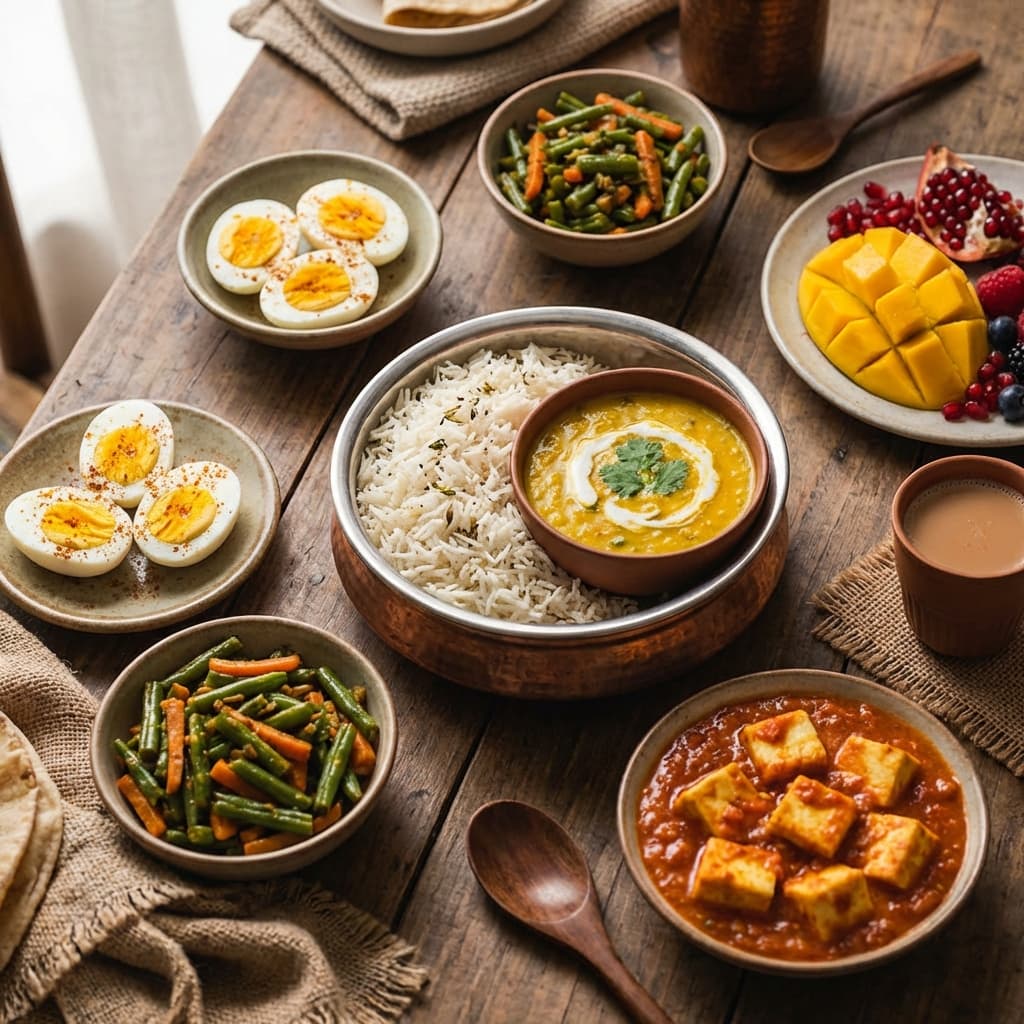
Healthy food background
MODERATE ⚠️on Empty StomachLast Updated: 1/12/2026

Can I Eat Chai on Empty Stomach?

Drinking chai on an empty stomach isn't strictly prohibited, but it's generally not recommended due to potential side effects. The caffeine and tannins in tea can stimulate acid production, potentially leading to heartburn, bloating, or nausea, especially for individuals prone to digestive issues. Adding milk can slightly buffer the acidity, but the lactose can still cause discomfort for some. Therefore, consuming chai after a light meal or snack is preferable to minimize these risks.

Key Insight

The spices commonly found in chai, like ginger and cardamom, while often lauded for their health benefits, can paradoxically exacerbate heartburn in some individuals when consumed on an empty stomach due to their stimulant effects on gastric acid secretion.

The Science Behind Chai

Chai, traditionally a spiced tea beverage, primarily consists of black tea, milk, sugar, and various spices like ginger, cardamom, cinnamon, and cloves. The nutritional profile is heavily influenced by the additions. Black tea itself contains negligible calories, macronutrients, and a minimal amount of minerals like manganese (approximately 2% of the daily value per cup). However, it is a source of antioxidants, particularly polyphenols like theaflavins and thearubigins. Clinical studies show that these polyphenols can contribute to improved cardiovascular health by reducing LDL cholesterol oxidation and improving blood vessel function.

The addition of milk significantly alters the macronutrient composition. A typical cup of chai (approximately 240ml) made with whole milk (3.25% fat) contributes around 60-80 calories, 3-4g of fat (primarily saturated fat), 4-5g of carbohydrates (mostly from lactose, the milk sugar), and 3-4g of protein. The Glycemic Index (GI) of plain milk is around 31, and the addition of sugar to chai will raise the GI. The overall GI of chai will vary depending on the amount of sugar added but generally falls in the low to medium range (estimated between 40-60). This means it causes a relatively gradual rise in blood sugar levels compared to high-GI foods.

The spices contribute micronutrients and bioactive compounds. Gingerol in ginger possesses anti-inflammatory and antioxidant properties. Cardamom contains manganese and smaller amounts of other minerals. Cinnamon is known for its potential to improve insulin sensitivity, although nutrition research indicates that the amounts typically found in chai are unlikely to have a significant impact in isolation. Cloves are rich in eugenol, an antioxidant with potential anti-inflammatory effects.

Caffeine, a stimulant present in black tea, is a key factor to consider. A cup of chai typically contains 40-70mg of caffeine, depending on the strength of the tea. Caffeine is rapidly absorbed and has a stimulating effect on the central nervous system. On an empty stomach, this effect can be amplified, leading to increased alertness but also potentially anxiety, jitters, and an increased heart rate. Furthermore, caffeine stimulates gastric acid secretion. This can be problematic on an empty stomach, potentially irritating the stomach lining and contributing to digestive discomfort. The tannins in black tea can also bind to minerals like iron, potentially hindering their absorption, particularly if consumed with iron-rich foods. This effect is more pronounced when tea is consumed on an empty stomach.

🌍

Global & Cultural Insights

Tea, in its various forms, has a rich global history. From the traditional tea ceremonies of Japan to the afternoon tea rituals of England, tea has been a staple beverage in numerous cultures for centuries. In many Eastern cultures, tea is more than just a drink; it's a symbol of hospitality, respect, and connection. The Silk Road facilitated the spread of tea and spices, leading to the development of unique regional variations. In India, chai holds a particularly significant place in the cultural landscape. Introduced by the British, tea quickly became a beloved beverage, evolving into the spiced chai we know today. Ayurvedic principles often guide the selection of spices, with each spice believed to offer specific health benefits. Ginger is used for digestion, cardamom for respiratory health, and cinnamon for warming properties. Chai is a daily ritual for millions of Indians, consumed at home, in tea stalls ('chai wallahs'), and during social gatherings. It's often served alongside snacks like samosas or pakoras, and its preparation varies from region to region, with some adding masala (spice mix) and others using specific types of tea leaves. It isn't typically eaten in/on Roti or Rice. Instead it accompanies it.

Who Should Eat Chai?

For People with Diabetes/Insulin Resistance

Recommended

Choose sugar-free alternatives like stevia or erythritol to sweeten chai. Opt for lower-fat milk options like skim or almond milk to reduce calorie intake. Pay attention to the carbohydrate content from the milk. Cinnamon in chai *may* improve insulin sensitivity, but more research is needed to confirm its efficacy in this context. Consider brewing your own chai at home to control the amount of sugar added.

Caution

Monitor blood glucose levels closely after consuming chai, especially if you're using regular milk and sugar. Avoid consuming large quantities of chai at once. Be aware that some pre-packaged chai mixes may contain hidden sugars.

For Weight Loss & Metabolism

Recommended

Chai can be a relatively low-calorie beverage, especially if prepared with skim milk and a minimal amount of sweetener. The caffeine content can provide a temporary boost to metabolism, but this effect is generally minor. The spices can contribute to a feeling of fullness, potentially helping to control appetite. Opt for unsweetened versions and consider using spices like ginger and cinnamon to naturally enhance the flavor without adding calories.

Caution

Be mindful of the calorie density, especially from added sugar and whole milk. Avoid consuming chai as a substitute for meals, as it lacks essential nutrients. Drinking chai frequently throughout the day can contribute to a significant calorie intake if not carefully monitored. Drinking it on empty stomach can trigger cravings later in the day.

For Athletes & Muscle Gain

Recommended

While chai doesn't offer a significant source of protein for muscle recovery (typically 3-4g per cup when made with milk), it can provide hydration and a mild energy boost from caffeine before or after workouts. The antioxidants in tea may help reduce muscle soreness and inflammation after intense exercise. Consider adding a scoop of protein powder to your chai for a more substantial post-workout recovery beverage.

Caution

Avoid consuming chai immediately before intense exercise, as it may cause digestive discomfort. Be mindful of the caffeine content, as excessive intake can lead to dehydration and muscle cramps. Avoid excessive sugar intake, opting for natural sweeteners or sugar-free alternatives.

For Heart Health & Cholesterol

Recommended

Studies suggest that the polyphenols in black tea can improve cardiovascular health by reducing LDL cholesterol oxidation and improving blood vessel function. However, the fat content of the milk used in chai should be considered. Choose lower-fat milk options to minimize saturated fat intake. Monitor your cholesterol levels regularly.

Caution

Be mindful of the saturated fat content in whole milk, as excessive intake can raise LDL cholesterol levels. Avoid adding excessive amounts of sugar to chai, as it can contribute to weight gain and increase triglyceride levels. If you have a history of heart disease, consult with your doctor about the appropriate amount of chai to consume.

For Digestive Health (Gut)

Recommended

The ginger in chai can aid digestion by promoting gastric emptying and reducing nausea. Cardamom and cloves also have potential digestive benefits. However, the caffeine and tannins in tea can irritate the stomach lining in some individuals. Consuming chai with food or after a light meal can help minimize these effects.

Caution

Be aware that the caffeine and tannins in black tea can exacerbate acidity and heartburn, especially on an empty stomach. The lactose in milk can cause bloating and gas in individuals with lactose intolerance. Limit your intake of chai if you experience digestive discomfort. Avoid consuming chai immediately before bed, as it may interfere with sleep.

Timing Your Nutrition

Best Time

The best time to enjoy chai is generally mid-morning or mid-afternoon. This allows you to benefit from the energy boost from caffeine without interfering with sleep later in the day. Consuming chai after a light meal or snack, such as a handful of nuts or a piece of fruit, can help prevent digestive discomfort.

⚠️

Avoid When

Avoid drinking chai on an empty stomach, especially first thing in the morning, as this can irritate the stomach lining and cause acidity. Also, avoid consuming chai close to bedtime (within 3-4 hours) due to the caffeine content, which can disrupt sleep patterns and reduce sleep quality.

🍽️

Pair With

Pairing chai with a small meal or snack containing healthy fats and protein, such as a whole-wheat toast with avocado or a boiled egg, can help slow down the absorption of sugar and caffeine, preventing rapid blood sugar spikes and minimizing the potential for jitters. Eating with some fiber from the bread can also minimize the spike in blood glucose.

Portion Control

Ideal Serving

One cup (approximately 240ml) of chai per serving is generally considered ideal. This provides a moderate amount of caffeine and spices without overwhelming the digestive system.

Max Per Day

Limit your daily intake of chai to 2-3 cups (480-720ml) to avoid excessive caffeine consumption and potential digestive issues. Exceeding this limit can lead to anxiety, insomnia, and gastrointestinal upset.

Frequency

Daily consumption of chai is generally safe for most individuals, provided that it's consumed in moderation and with meals. However, individuals with caffeine sensitivity or digestive issues may need to limit their intake to occasional consumption.

Common Myth

"Chai is a purely Indian beverage and doesn't exist anywhere else."

Not quite true
The Reality

While chai has deep roots in Indian culture, spiced tea beverages exist in various forms across the globe. The combination of tea and spices is common in many cultures, with variations in the types of tea, spices, and preparation methods used. The term 'chai' itself simply means 'tea' in many languages, including Hindi. While the specific blend of spices used in Indian chai is unique, the concept of spiced tea is not exclusive to India.

Fact Checked

💡 Expert Tip

"To maximize the benefits of chai, experiment with different types of milk, such as oat milk or almond milk, which offer unique nutritional profiles and lower calorie counts. Additionally, try brewing your own chai using whole spices, allowing you to control the ingredients and sweetness level, and potentially increasing the antioxidant potency through fresh grinding."

Common Questions

Does Chai cause weight gain?

Chai itself doesn't directly cause weight gain. Weight gain occurs when you consume more calories than you burn. However, the added sugar and milk in chai can contribute to calorie intake. A cup of chai with whole milk and a significant amount of sugar can contain 100-150 calories. If you consume several cups of chai throughout the day, this can contribute to a calorie surplus and potentially lead to weight gain. Opting for sugar-free alternatives and lower-fat milk options can significantly reduce the calorie content of chai and minimize the risk of weight gain. It's all about overall caloric balance and insulin response; excess sugar will trigger a strong insulin response.

Can I drink Chai on an empty stomach?

Drinking chai on an empty stomach is generally not recommended. The caffeine and tannins in tea can stimulate acid production in the stomach, potentially leading to heartburn, bloating, and nausea. The spices, while beneficial, can further irritate the stomach lining in some individuals. While the milk can buffer the acidity, it is not a perfect solution. Some people have trouble digesting lactose, particularly on an empty stomach. The sudden surge of caffeine can also trigger anxiety and jitters. Consuming chai after a light meal or snack is a better option to minimize these risks and allow for easier digestion.

How does Chai affect sleep?

Chai contains caffeine, a stimulant that can interfere with sleep. Caffeine blocks adenosine, a neurotransmitter that promotes relaxation and sleepiness. The effects of caffeine can last for several hours, so it's best to avoid consuming chai close to bedtime (within 3-4 hours). Additionally, some spices in chai can stimulate the digestive system, potentially causing discomfort that can disrupt sleep. Individual sensitivity to caffeine varies, so experiment to find out what time in the day you can drink chai without impacting your sleep quality. The digestion of lactose in milk for those sensitive to it can also affect sleep.

Is Chai good for skin/hair?

Chai can indirectly contribute to skin and hair health due to its antioxidant content. The polyphenols in black tea can protect against free radical damage, which can contribute to premature aging and skin damage. Some spices, like ginger and cinnamon, also possess anti-inflammatory properties that can benefit skin health. The milk in chai provides vitamins and minerals that are essential for hair growth and strength, such as vitamin D and calcium. However, a balanced diet is crucial for optimal skin and hair health, and chai should be considered a supplementary source of nutrients rather than a primary one.

Need a Personalized Diet Plan?

Generalized advice is good, but your body is unique. Upload your recent health report and get AI-powered nutrition guidance tailored specifically to your bloodwork.

Get My Personalized Plan

What Should You Do Next?

Analyze Your Report

Upload your lab PDF to get a full AI breakdown instantly.

Upload PDF

Food Decisions

Confused about what to eat? Check our food guide.

Food Guide

Start Health Journey

Create a personalized profile to track your progress.

Get Started