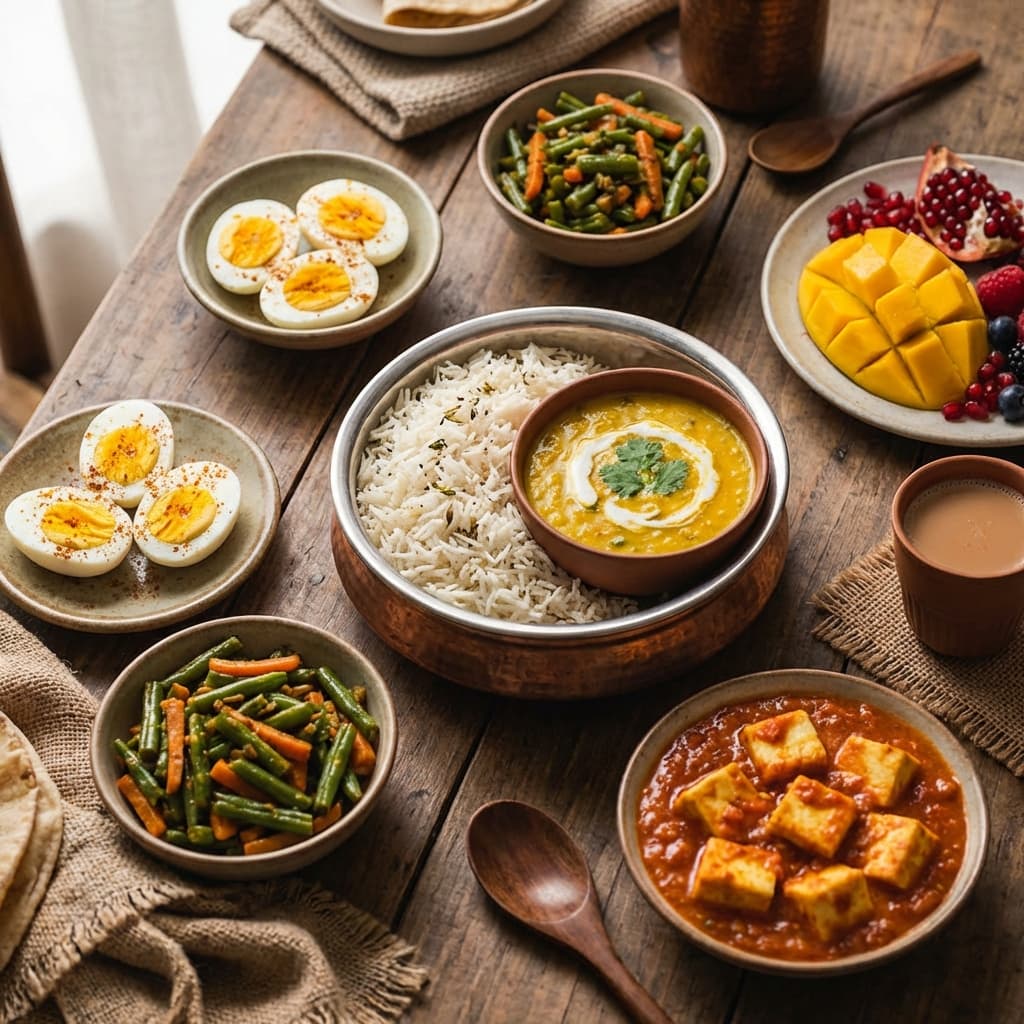
Healthy food background
MODERATE ⚠️Last Updated: 1/12/2026

Can I Eat Rice ?

Yes, rice can be a part of a healthy diet at any time of day, but the type of rice, portion size, and what you eat it with significantly impact its effect on your body. White rice, with its higher glycemic index, can cause rapid blood sugar spikes, especially when consumed in large quantities or without accompanying protein or fiber. Brown rice, on the other hand, offers more sustained energy release and better nutritional value, making it a preferable option for regular consumption.

Key Insight

Cooking and cooling rice before consumption can significantly reduce its glycemic index by increasing resistant starch content, which is beneficial for blood sugar control and gut health.

The Science Behind Rice

Rice, a staple food for billions, comes in various forms, each with distinct nutritional profiles. The primary component of rice is carbohydrates, predominantly starch. White rice, the most commonly consumed variety, is highly processed, removing the bran and germ, which strips away much of the fiber, vitamins, and minerals. A 100g serving of cooked white rice contains approximately 130 calories, 28g of carbohydrates, 0.3g of fiber, and 2.7g of protein. Its Glycemic Index (GI) is relatively high, ranging from 64 to 89, depending on the variety and cooking method. This means that white rice is quickly digested and absorbed, leading to a rapid increase in blood glucose levels.

Brown rice, in contrast, retains the bran and germ, making it a more nutritious option. A 100g serving of cooked brown rice contains about 111 calories, 23g of carbohydrates, 1.8g of fiber, and 2.6g of protein. Its GI is lower than white rice, typically ranging from 50 to 55. Brown rice is also a good source of manganese, selenium, magnesium, and B vitamins.

Nutrition research indicates that the resistant starch content in rice can be increased by cooking it and then cooling it in the refrigerator for at least two hours before consumption. This process retrogrades the starch, making it less digestible and thus lowering the GI. Clinical studies show that consuming rice prepared in this manner can improve insulin sensitivity and blood sugar control, particularly in individuals with diabetes or insulin resistance.

The digestibility of rice also depends on the variety and cooking method. Short-grain rice tends to be stickier and more easily digested, while long-grain rice is less sticky and digests more slowly. Overcooking rice can gelatinize the starch, making it more rapidly absorbed and increasing its glycemic impact. Parboiled rice, also known as converted rice, undergoes a steaming process before milling, which drives nutrients from the bran into the grain, resulting in a higher nutritional value compared to regular white rice. It also has a lower GI.

Furthermore, the metabolic impact of rice consumption is influenced by the overall dietary context. Consuming rice with sources of protein, healthy fats, and fiber can help slow down carbohydrate absorption and mitigate blood sugar spikes. For example, eating rice with lentils (dal), vegetables, and a small amount of ghee (clarified butter) is a traditional Indian practice that promotes balanced blood sugar response and satiety.

🌍

Global & Cultural Insights

Rice holds immense cultural significance in India, being a staple food across many regions. In South India, rice is the cornerstone of meals, often served with sambar, rasam, and various vegetable curries. In East India, rice is paired with fish curries and lentil dishes. Traditionally, Ayurveda views rice as a nourishing and easily digestible food, particularly when properly prepared. However, it emphasizes the importance of consuming rice according to one's individual dosha (body type) and digestive capacity. Modern Indian lifestyles often involve a combination of roti (whole wheat flatbread) and rice in the diet. Balancing the intake of these two grains is crucial for maintaining a healthy weight and preventing blood sugar imbalances. Incorporating brown rice or parboiled rice into the diet can be a healthier alternative to refined white rice, providing more fiber and nutrients. The traditional practice of combining rice with lentils, vegetables, and ghee remains a valuable approach to promoting balanced blood sugar response and satiety.

Who Should Eat Rice?

For People with Diabetes/Insulin Resistance

Recommended

Opt for brown rice or parboiled rice over white rice. Cook rice and cool it before consumption to increase resistant starch content and lower the glycemic index. Pair rice with high-protein and high-fiber foods like lentils, beans, vegetables, and lean meats to slow down carbohydrate absorption and stabilize blood sugar levels.

Caution

Avoid large portions of white rice, especially on an empty stomach. Monitor blood glucose levels after consuming rice to understand individual responses. Limit the frequency of rice consumption, especially if blood sugar control is challenging. Consider alternative grains like quinoa or barley.

For Weight Loss & Metabolism

Recommended

Choose brown rice over white rice due to its higher fiber content, which promotes satiety and helps control appetite. Be mindful of portion sizes; a small to moderate serving (around 1/2 to 3/4 cup cooked) is usually sufficient. Combine rice with plenty of vegetables and lean protein to create a balanced and filling meal.

Caution

Avoid excessive consumption of rice, especially at night, as it can contribute to a calorie surplus and hinder weight loss efforts. Be wary of added fats, such as oil or butter, when cooking rice, as these can significantly increase its caloric density. Avoid processed rice products like rice cakes or puffed rice, which often lack fiber and can lead to overeating.

For Athletes & Muscle Gain

Recommended

Rice can be a valuable source of carbohydrates for athletes, providing energy for training and aiding in muscle recovery. White rice, due to its rapid digestibility, can be beneficial post-workout to replenish glycogen stores. Brown rice can be consumed at other times of the day to provide sustained energy release.

Caution

Ensure adequate protein intake alongside rice to support muscle repair and growth. Avoid consuming large amounts of rice immediately before exercise, as it can lead to digestive discomfort. Be mindful of the overall carbohydrate intake, especially during periods of reduced activity, to prevent unwanted weight gain.

For Heart Health & Cholesterol

Recommended

Brown rice is a good source of fiber, which can help lower LDL (bad) cholesterol levels. It also contains magnesium and potassium, which are beneficial for maintaining healthy blood pressure. Choose whole-grain rice varieties over refined options.

Caution

Be mindful of added sodium when cooking rice, especially if using pre-packaged rice mixes or seasonings. Limit the consumption of rice dishes that are high in saturated fat, such as fried rice or rice with creamy sauces. Consider incorporating other whole grains, such as oats, quinoa, and barley, into your diet to further diversify nutrient intake and support heart health.

For Digestive Health (Gut)

Recommended

Brown rice contains prebiotic fiber, which can promote the growth of beneficial gut bacteria. Properly cooked rice is generally easy to digest, making it a suitable option for individuals with sensitive stomachs. Consuming rice with fermented foods, such as yogurt or kimchi, can further enhance gut health.

Caution

Some individuals may experience bloating or gas after consuming rice, particularly if they are not accustomed to eating large amounts of fiber. Start with small portions and gradually increase intake to allow the gut to adapt. Avoid consuming undercooked rice, as it can be difficult to digest and may contain harmful bacteria. If you have a history of digestive issues, consult with a healthcare professional before making significant changes to your rice consumption.

Timing Your Nutrition

Best Time

There isn't a single 'best' time to eat rice, as it largely depends on individual needs and preferences. For individuals with diabetes or insulin resistance, consuming rice earlier in the day, when insulin sensitivity is typically higher, may be preferable. For athletes, consuming white rice post-workout can help replenish glycogen stores quickly. In general, it's best to consume rice as part of a balanced meal that includes protein, healthy fats, and fiber to mitigate blood sugar spikes.

⚠️

Avoid When

Avoid consuming large portions of white rice late at night, especially on an empty stomach, as this can lead to rapid blood sugar spikes and potentially disrupt sleep. Individuals prone to acid reflux may also want to avoid eating rice close to bedtime, as it can exacerbate symptoms.

🍽️

Pair With

Pair rice with protein-rich foods like lentils, beans, chicken, fish, or tofu to slow down carbohydrate absorption and promote satiety. Add plenty of non-starchy vegetables, such as broccoli, spinach, or carrots, to increase fiber intake and further mitigate blood sugar spikes. Consider adding a small amount of healthy fat, such as avocado or olive oil, to enhance satiety and improve nutrient absorption.

Portion Control

Ideal Serving

The ideal portion size of cooked rice is typically around 1/2 to 3/4 cup (approximately 75-110 grams). This provides a reasonable amount of carbohydrates without overwhelming the body with excess calories or causing significant blood sugar spikes.

Max Per Day

The maximum safe limit for rice consumption depends on individual factors such as activity level, metabolic health, and overall dietary intake. However, as a general guideline, it's best to limit rice intake to no more than 2 cups (approximately 300 grams) per day, especially if consuming white rice. Individuals with diabetes or insulin resistance may need to further restrict their intake.

Frequency

Rice can be consumed daily as part of a balanced diet, but it's important to vary the types of rice and other grains consumed to ensure a diverse intake of nutrients. Aim for a mix of brown rice, white rice (in moderation), quinoa, oats, and other whole grains throughout the week.

Common Myth

"Rice is a 'bad' carbohydrate and should be completely avoided for weight loss."

Not quite true
The Reality

Rice is not inherently 'bad.' It's a carbohydrate source that can be part of a balanced diet. The key lies in choosing the right type (brown rice over white rice), controlling portion sizes, and pairing it with protein, fiber, and healthy fats. Eliminating rice entirely is unnecessary and may lead to nutrient deficiencies. Focusing on overall dietary balance and calorie control is more effective for weight loss than demonizing a single food.

Fact Checked

💡 Expert Tip

"For enhanced blood sugar control and gut health benefits, try cooking rice with a teaspoon of coconut oil, then refrigerating it for at least two hours before reheating and consuming. This process significantly increases the resistant starch content, lowering the glycemic index and promoting the growth of beneficial gut bacteria."

Common Questions

Does Rice cause weight gain?

Rice itself doesn't inherently cause weight gain. Weight gain occurs when you consume more calories than you burn, creating a calorie surplus. Rice, like any other food, can contribute to a calorie surplus if consumed in excessive amounts. White rice, with its higher glycemic index, can lead to rapid insulin spikes, which, over time, might contribute to insulin resistance and fat storage if consistently consumed in large portions. Choosing brown rice, controlling portion sizes, and balancing rice consumption with protein, fiber, and healthy fats can help prevent weight gain.

Can I eat Rice on an empty stomach?

Eating white rice on an empty stomach can lead to a rapid spike in blood sugar levels due to its high glycemic index. This can trigger a large insulin response, potentially leading to a subsequent blood sugar crash and feelings of fatigue or hunger shortly after. Brown rice, with its lower glycemic index and higher fiber content, is a slightly better option on an empty stomach, but it's still generally advisable to consume rice as part of a balanced meal to mitigate blood sugar fluctuations. Individuals prone to acidity may also experience discomfort from eating rice on an empty stomach.

How does Rice affect sleep?

The effect of rice on sleep depends on the type of rice and the timing of consumption. White rice, with its high glycemic index, can cause rapid blood sugar spikes followed by a crash, which may disrupt sleep, especially if consumed close to bedtime. Brown rice, with its slower release of glucose, is less likely to interfere with sleep. Some studies suggest that consuming carbohydrate-rich foods like rice a few hours before bed may promote sleep by increasing tryptophan levels, which is a precursor to serotonin and melatonin, hormones that regulate sleep.

Is Rice good for skin/hair?

Rice contains several micronutrients that can contribute to skin and hair health. Brown rice is a good source of B vitamins, which are essential for cell growth and repair, potentially promoting healthy skin and hair. It also contains antioxidants like selenium and manganese, which can help protect against oxidative stress and damage. Rice water, the starchy water left over after cooking rice, is sometimes used as a hair rinse to strengthen hair and improve its shine, although scientific evidence supporting these claims is limited.

Need a Personalized Diet Plan?

Generalized advice is good, but your body is unique. Upload your recent health report and get AI-powered nutrition guidance tailored specifically to your bloodwork.

Get My Personalized Plan

What Should You Do Next?

Analyze Your Report

Upload your lab PDF to get a full AI breakdown instantly.

Upload PDF

Food Decisions

Confused about what to eat? Check our food guide.

Food Guide

Start Health Journey

Create a personalized profile to track your progress.

Get Started