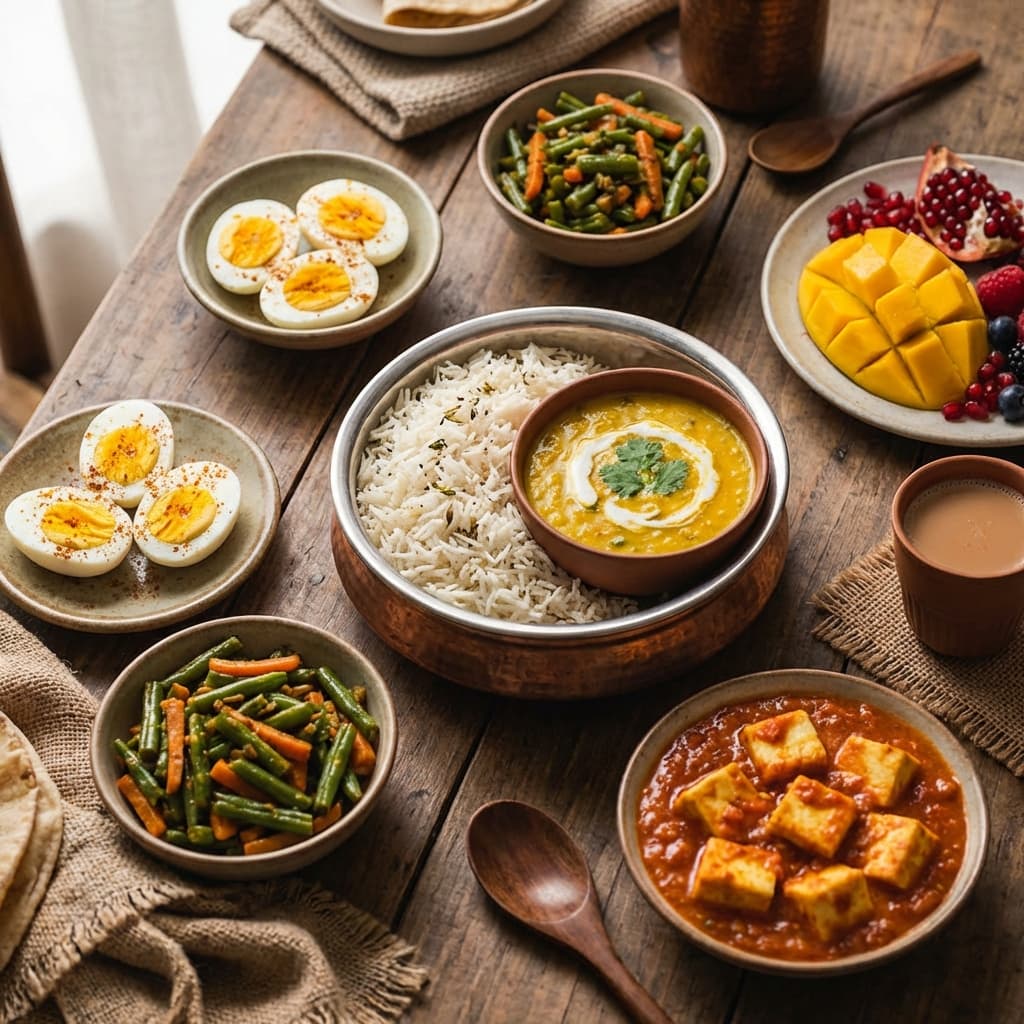
Healthy food background
SAFE βœ…Last Updated: 1/12/2026

Can I Eat Dalia ?

Dalia, a wholesome broken wheat porridge, is generally an excellent addition to any diet at any time. Its high fiber content promotes satiety and stable blood sugar levels, making it a suitable choice for breakfast, lunch, or dinner. Rich in complex carbohydrates and essential nutrients, dalia provides sustained energy and supports overall well-being. However, portion control is key, and individuals with specific digestive sensitivities should monitor their tolerance.

Key Insight

Unlike refined grains, dalia retains its bran and germ, making it a prebiotic food that nourishes beneficial gut bacteria and can significantly improve digestive health.

The Science Behind Dalia

Dalia, also known as broken wheat or cracked wheat, is a powerhouse of nutrition. It is primarily composed of complex carbohydrates, making up approximately 70-75% of its total composition. These carbohydrates are slowly digested, providing a sustained release of energy and preventing rapid spikes in blood sugar levels. Nutrition research indicates that consuming complex carbohydrates like those found in dalia is associated with improved insulin sensitivity and reduced risk of type 2 diabetes.

In terms of macronutrients, a 100-gram serving of cooked dalia typically contains around 12-15 grams of protein. This protein content contributes to satiety and supports muscle repair and growth. The fat content is relatively low, usually around 1-2 grams per 100 grams, making it a heart-healthy option.

Dalia is also a rich source of essential micronutrients. It is particularly high in B vitamins, including thiamin, niacin, and folate, which play crucial roles in energy metabolism and nerve function. It also contains minerals such as iron, magnesium, phosphorus, and zinc. Iron is essential for oxygen transport, magnesium for muscle and nerve function, phosphorus for bone health, and zinc for immune function.

The Glycemic Index (GI) of dalia is generally considered to be low to medium, typically ranging from 40 to 55, depending on the variety and preparation method. This low GI means that dalia is digested and absorbed slowly, resulting in a gradual increase in blood sugar levels. Clinical studies show that incorporating low-GI foods into the diet can help regulate blood sugar levels and improve glycemic control, particularly in individuals with diabetes or insulin resistance.

The high fiber content of dalia, typically around 10-12 grams per 100 grams, is another significant health benefit. Fiber promotes satiety, aids digestion, and helps regulate bowel movements. Nutrition research indicates that adequate fiber intake is associated with a reduced risk of chronic diseases such as heart disease, type 2 diabetes, and certain types of cancer.

Dalia's digestion speed is relatively slow due to its complex carbohydrate and fiber content. This slow digestion promotes a feeling of fullness and can help regulate appetite. From a metabolic perspective, the slow release of glucose from dalia helps maintain stable blood sugar levels and prevents insulin spikes, which can contribute to weight gain and insulin resistance.

Furthermore, dalia contains resistant starch, a type of starch that resists digestion in the small intestine and ferments in the large intestine, acting as a prebiotic. This fermentation process produces short-chain fatty acids (SCFAs), such as butyrate, which have numerous health benefits, including improved gut health, reduced inflammation, and enhanced immune function.

🌍

Global & Cultural Insights

Dalia holds a significant place in Indian cuisine and is often considered a staple in many households. It is a versatile ingredient used in various sweet and savory dishes, ranging from simple porridge to elaborate vegetable-rich preparations. In traditional Ayurvedic medicine, dalia is considered a 'satvic' food, promoting balance and well-being. It is believed to be easily digestible and nourishing, making it suitable for all doshas (body types). In modern Indian lifestyles, dalia can be easily incorporated as a healthy alternative to rice or roti, especially for those seeking to manage their weight or blood sugar levels. It can be paired with dal (lentils), vegetables, or yogurt to create a complete and satisfying meal, offering a nutritious and culturally relevant option for the Indian palate.

Who Should Eat Dalia?

For People with Diabetes/Insulin Resistance

Recommended

Dalia is an excellent grain choice due to its low to medium glycemic index (GI 40-55). This helps in preventing rapid blood sugar spikes. Opt for minimally processed dalia and cook it with vegetables and lentils to further lower the GI. Monitor blood glucose levels after consumption to assess individual response.

Caution

Avoid adding sugar or excessive ghee, which can negate the benefits. Limit portion sizes to 1/2 - 3/4 cup cooked dalia per serving. Be mindful of the carbohydrate content if you're carb counting.

For Weight Loss & Metabolism

Recommended

Dalia's high fiber content promotes satiety, helping you feel fuller for longer and reducing overall calorie intake. Its caloric density is moderate (around 150-180 calories per cooked cup), making it a healthy and filling option. Include it in your breakfast to kickstart your metabolism or as a light dinner.

Caution

Avoid overconsumption, as any food, regardless of its health benefits, can contribute to weight gain if consumed in excess. Be mindful of added fats and sugars. Do not rely solely on dalia for weight loss; maintain a balanced diet and regular exercise.

For Athletes & Muscle Gain

Recommended

Dalia contains approximately 12-15 grams of protein per 100 grams cooked, contributing to muscle repair and growth. The complex carbohydrates provide sustained energy for workouts. Consume dalia 1-2 hours before a workout for sustained energy or after a workout to replenish glycogen stores and support muscle recovery.

Caution

Dalia alone may not provide sufficient protein for intense muscle gain. Combine it with other protein sources like lentils, legumes, or lean meats. Avoid consuming dalia immediately before a workout, as its high fiber content may cause digestive discomfort.

For Heart Health & Cholesterol

Recommended

Dalia's high fiber content helps lower LDL (bad) cholesterol levels. Its low fat content makes it a heart-healthy choice. Studies shows that regular consumption of whole grains like dalia can reduce the risk of heart disease.

Caution

Avoid adding excessive amounts of saturated or trans fats (e.g., ghee, butter) during preparation. Be mindful of sodium content if using processed dalia products or adding salt during cooking. Individuals with existing heart conditions should consult with a healthcare professional for personalized dietary advice.

For Digestive Health (Gut)

Recommended

Dalia is rich in both soluble and insoluble fiber, promoting healthy bowel movements and preventing constipation. Its prebiotic properties nourish beneficial gut bacteria, improving gut health. It is generally easily digestible for most people.

Caution

Some individuals may experience bloating or gas when first introducing dalia into their diet, especially if they are not accustomed to a high-fiber diet. Start with small portions and gradually increase intake. Individuals with irritable bowel syndrome (IBS) or other digestive disorders should monitor their tolerance and consult with a healthcare professional.

Timing Your Nutrition

βœ…

Best Time

Dalia can be consumed at any time of the day. However, consuming it for breakfast is particularly beneficial as it provides sustained energy throughout the morning. The slow-digesting carbohydrates and fiber help stabilize blood sugar levels and prevent energy crashes. Consuming it before a workout can also be beneficial.

⚠️

Avoid When

There is no specific time to strictly avoid dalia. However, consuming a large portion of dalia right before bed might not be ideal for some, as the slow digestion could potentially interfere with sleep. Listen to your body and adjust accordingly.

🍽️

Pair With

Pair dalia with protein sources like lentils (dal), yogurt, or eggs to create a balanced meal that promotes satiety and provides essential nutrients. Combining it with vegetables increases its nutrient density and fiber content. Adding a small amount of healthy fat, such as olive oil or avocado, can improve nutrient absorption.

Portion Control

Ideal Serving

The ideal portion size is approximately 1/2 - 3/4 cup (cooked) per serving, which provides a good balance of carbohydrates, protein, and fiber without excessive calories.

Max Per Day

The maximum safe limit is around 1.5 cups (cooked) per day, spread across multiple meals. Exceeding this amount may lead to digestive discomfort or excessive calorie intake.

Frequency

Dalia can be consumed daily as part of a balanced diet.

Common Myth

"Dalia is only for sick people or those recovering from illness."

Not quite true
The Reality

This is a common misconception. While dalia is easily digestible and often recommended for those recovering from illness, it is a nutritious and versatile food that can be enjoyed by people of all ages and health conditions. Its nutritional benefits make it an excellent addition to any diet.

Fact Checked

πŸ’‘ Expert Tip

"Soak dalia for at least 30 minutes before cooking to reduce phytic acid content, which can inhibit the absorption of certain minerals like iron and zinc. Soaking also makes it easier to digest and reduces cooking time."

Common Questions

Does Dalia cause weight gain?

Dalia itself does not cause weight gain. Weight gain occurs when you consume more calories than you burn. Dalia, being a relatively low-calorie and high-fiber food, can actually aid in weight management by promoting satiety and reducing overall calorie intake. However, consuming excessive portions of dalia, especially with added sugars or fats, can contribute to a calorie surplus and potentially lead to weight gain. It’s all about balance and portion control.

Can I eat Dalia on an empty stomach?

Yes, you can eat dalia on an empty stomach. Its slow-digesting carbohydrates and fiber help stabilize blood sugar levels and prevent rapid insulin spikes, making it a better choice than refined grains or sugary cereals. However, some individuals with sensitive stomachs may experience mild discomfort. Monitor your body's response and adjust accordingly. If you have a history of acidity, consider pairing it with yogurt or buttermilk.

How does Dalia affect sleep?

Dalia contains magnesium, which is a mineral that promotes relaxation and can improve sleep quality. However, consuming a large portion of dalia right before bed might not be ideal for everyone, as the slow digestion could potentially interfere with sleep. It's best to consume dalia at least 2-3 hours before bedtime to allow for proper digestion. If you find it disruptive, opt for a lighter evening meal.

Is Dalia good for skin/hair?

Yes, dalia is beneficial for skin and hair due to its rich nutrient content. It contains B vitamins, which are essential for healthy skin and hair growth. Zinc, another mineral found in dalia, also plays a crucial role in maintaining skin health and preventing hair loss. The antioxidants in dalia help protect against free radical damage, which can contribute to premature aging of the skin.

Need a Personalized Diet Plan?

Generalized advice is good, but your body is unique. Upload your recent health report and get AI-powered nutrition guidance tailored specifically to your bloodwork.

Get My Personalized Plan

What Should You Do Next?

Analyze Your Report

Upload your lab PDF to get a full AI breakdown instantly.

Upload PDF

Food Decisions

Confused about what to eat? Check our food guide.

Food Guide

Start Health Journey

Create a personalized profile to track your progress.

Get Started