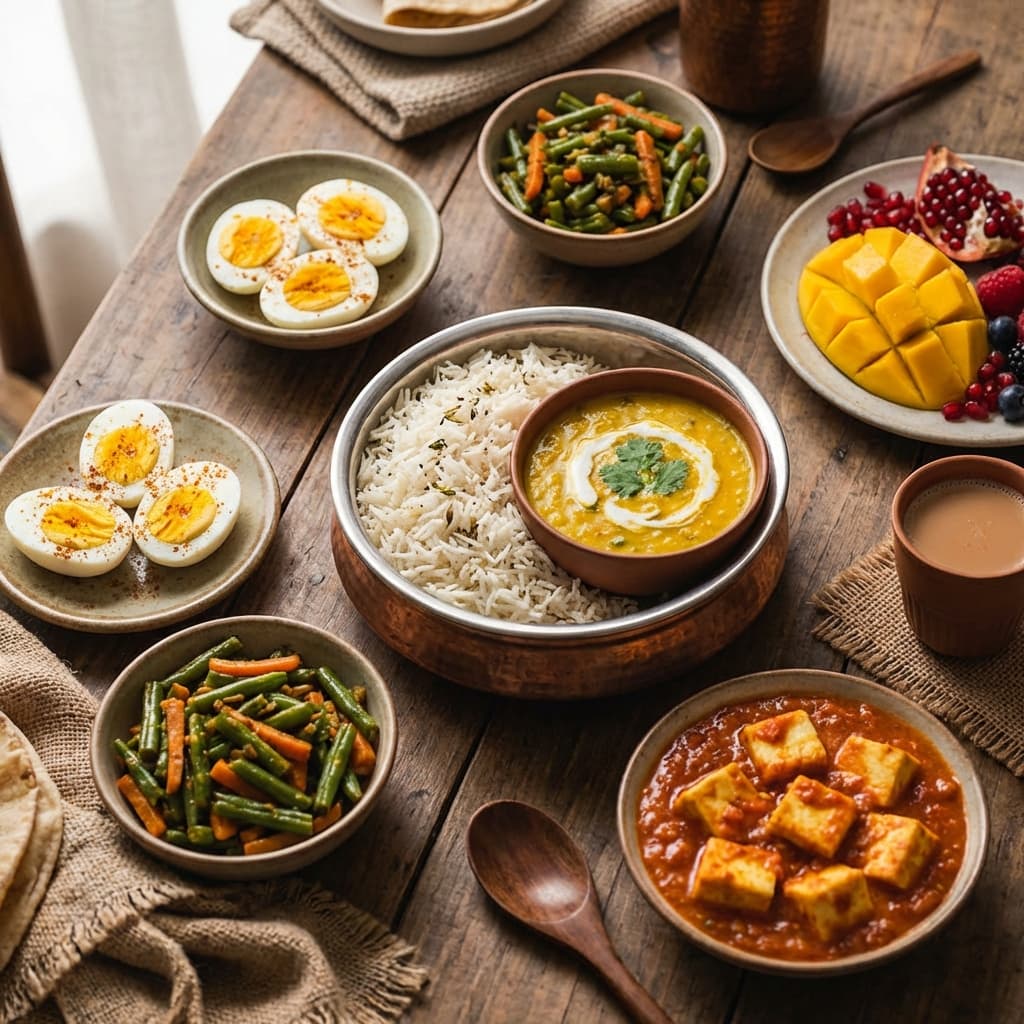
Healthy food background
MODERATE ⚠️on Empty StomachLast Updated: 1/12/2026

Can I Eat Rice on Empty Stomach?

Eating rice on an empty stomach is generally safe for most individuals, providing a quick source of energy due to its carbohydrate content. However, the rapid digestion of simple carbohydrates in rice can lead to a spike in blood sugar levels, potentially followed by a crash. Individuals with diabetes or insulin resistance should exercise caution and consider pairing rice with protein and fiber to mitigate these effects. The type of rice (white vs. brown) and portion size also play significant roles in its impact on blood sugar and overall health.

Key Insight

Chilling cooked rice before consumption significantly reduces its glycemic index (GI) because it increases the amount of resistant starch, which the body doesn't digest as readily. This makes it a healthier option, especially for individuals managing blood sugar levels.

The Science Behind Rice

Rice, a staple food for billions worldwide, is primarily composed of carbohydrates, mainly in the form of starch. A 100-gram serving of cooked white rice typically contains around 28 grams of carbohydrates, 2.7 grams of protein, and a negligible amount of fat (less than 0.3 grams), totaling roughly 130 calories. Brown rice, with its bran and germ intact, boasts a slightly different nutritional profile, offering approximately 23 grams of carbohydrates, 2.6 grams of protein, and 1.8 grams of fiber per 100-gram cooked serving, totaling about 111 calories.

The glycemic index (GI) of rice varies widely depending on the type. White rice generally has a higher GI, ranging from 64 to 88, placing it in the medium to high GI category. Brown rice, due to its fiber content, typically has a lower GI, ranging from 50 to 55. The GI indicates how quickly a food raises blood sugar levels after consumption. Clinical studies show that consistently consuming high-GI foods can lead to insulin resistance and increased risk of type 2 diabetes.

Rice also contains several micronutrients, although in relatively small amounts. It provides manganese, magnesium, selenium, phosphorus, and B vitamins like niacin and thiamin. Brown rice generally contains more micronutrients than white rice due to the removal of the bran and germ during the milling process of white rice. Nutrition research indicates that the bran and germ are rich in antioxidants, which help protect the body against cellular damage.

The digestion of rice begins in the mouth, where salivary amylase starts breaking down the starch into simpler sugars. However, the majority of digestion occurs in the small intestine, where pancreatic amylase further breaks down the carbohydrates into glucose. This glucose is then absorbed into the bloodstream, leading to a rise in blood sugar levels. The speed of digestion and absorption depends on several factors, including the type of rice, cooking method, and the presence of other nutrients (like fiber, protein, and fat) in the meal. White rice, being more refined, is digested and absorbed more quickly than brown rice.

The metabolic impact of rice consumption is significant. The rapid influx of glucose into the bloodstream triggers the release of insulin from the pancreas. Insulin helps transport glucose into cells for energy or storage as glycogen in the liver and muscles. If glucose intake consistently exceeds the body's energy needs, the excess glucose is converted into fat, contributing to weight gain. Nutrition research consistently demonstrates the correlation between high carbohydrate diets and weight gain, especially when combined with a sedentary lifestyle. The fiber in brown rice slows down glucose absorption, leading to a more gradual and sustained energy release, which is beneficial for metabolic health. Clinical studies have also shown that replacing white rice with brown rice can improve insulin sensitivity and reduce the risk of metabolic syndrome.

🌍

Global & Cultural Insights

Rice holds immense cultural and historical significance globally. It is a staple food in many Asian countries, forming the foundation of countless cuisines. From Japanese sushi to Spanish paella, rice is prepared in diverse and flavorful ways. Rice cultivation has shaped societies and economies for millennia, influencing agricultural practices and culinary traditions worldwide. In many cultures, rice is associated with fertility, prosperity, and good fortune, often featured in religious ceremonies and festivals. In India, rice is an integral part of the culinary landscape. It is a staple grain in many regions, particularly in the south and east. From fluffy basmati rice served with curries to hearty idlis and dosas, rice-based dishes are deeply embedded in Indian cuisine. The Ayurvedic perspective views rice as a cooling and grounding food, particularly beneficial for balancing Pitta dosha. Different types of rice, such as white rice, brown rice, and red rice, are used in various preparations based on their properties and health benefits. Rice is also used in numerous religious ceremonies and festivals, symbolizing abundance and prosperity. Traditional Indian sweets like kheer (rice pudding) are often prepared with rice, showcasing its versatility and cultural importance. Different rice varieties have specific uses; for example, parboiled rice is commonly used in South Indian meals, while basmati rice is preferred for biryanis in the North.

Who Should Eat Rice?

For People with Diabetes/Insulin Resistance

Recommended

Opt for brown rice or parboiled rice (converted rice) due to their lower GI. Control portion sizes (aim for 1/2 cup cooked) and always pair rice with protein (e.g., lentils, chicken, fish) and plenty of non-starchy vegetables to slow down glucose absorption. Consider chilling cooked rice to increase resistant starch. Monitor blood sugar levels after meals to understand individual responses.

Caution

Avoid white rice and large portions. Consuming rice on an empty stomach can lead to rapid blood sugar spikes, increasing the risk of hyperglycemia. Individuals taking insulin or oral hypoglycemic medications should carefully monitor their blood sugar levels and adjust medication dosages as needed under the guidance of a healthcare professional. High postprandial glucose levels can contribute to long-term complications of diabetes.

For Weight Loss & Metabolism

Recommended

Choose brown rice over white rice for its higher fiber content, promoting satiety and reducing overall calorie intake. Control portion sizes (aim for 1/2 to 3/4 cup cooked) and focus on balanced meals with lean protein and vegetables. Consider the caloric density of rice; while relatively low in fat, it is still carbohydrate-rich. The soluble fiber in rice bran also contributes to reduced cholesterol absorption.

Caution

Avoid consuming large portions of rice, especially white rice, as it can contribute to a calorie surplus and hinder weight loss efforts. Be mindful of timing; avoid eating rice late at night, especially on an empty stomach, as it can lead to fat storage. Don't rely solely on rice as a primary source of nutrients; ensure a balanced and varied diet.

For Athletes & Muscle Gain

Recommended

Rice, particularly white rice, can be a good source of quick energy before workouts. After intense training, white rice can help replenish glycogen stores quickly, aiding in recovery. Combine rice with protein sources (e.g., chicken, fish, eggs) to support muscle repair and growth. Brown rice offers sustained energy release for longer duration activities. Aim for 1-2 cups cooked rice post-workout.

Caution

Avoid consuming large portions of rice immediately before workouts, as it can cause bloating and digestive discomfort. Ensure adequate protein intake alongside rice for optimal muscle protein synthesis. Athletes with sensitivities to high-GI foods should monitor their energy levels and adjust carbohydrate intake accordingly.

For Heart Health & Cholesterol

Recommended

Brown rice is a better choice than white rice due to its higher fiber content, which can help lower LDL cholesterol levels. The bran contains compounds that interfere with cholesterol absorption. Choose rice varieties with lower sodium content and avoid adding excessive salt during cooking. Include rice as part of a heart-healthy diet rich in fruits, vegetables, and lean protein.

Caution

Be mindful of added fats and sodium when preparing rice dishes. Avoid frying rice or adding excessive amounts of butter, oil, or salt. People on low sodium diets should limit the intake of traditionally prepared rice with high sodium seasonings or sauces.

For Digestive Health (Gut)

Recommended

White rice is generally easily digestible and can be beneficial during periods of digestive upset (e.g., diarrhea). Brown rice provides fiber, which promotes bowel regularity and supports gut health. Consider fermented rice products (e.g., rice bran) as a source of prebiotics to nourish beneficial gut bacteria.

Caution

Consuming large portions of rice, especially brown rice, on an empty stomach can cause bloating and gas in some individuals due to its fiber content. Introduce brown rice gradually into the diet to allow the gut to adapt. Individuals with Irritable Bowel Syndrome (IBS) may need to experiment with different types of rice to determine their tolerance levels. In some rare cases, rice intolerance can occur.

Timing Your Nutrition

Best Time

There isn't an absolute 'best' time to eat rice, but consuming it during the day, particularly at lunch, is generally preferable. This allows the body ample time to metabolize the carbohydrates throughout the day. Post-workout is also a good time to replenish glycogen stores. For optimal digestion, space out rice consumption from other heavy meals.

⚠️

Avoid When

Avoid eating large portions of rice late at night, especially white rice, as the body's metabolism slows down during sleep. This can lead to increased blood sugar levels and potential fat storage. Eating rice on an empty stomach right before bed can also disrupt sleep due to blood sugar fluctuations.

🍽️

Pair With

Pairing rice with protein, healthy fats, and fiber-rich vegetables can significantly reduce its glycemic impact. For example, eating rice with lentils (dal), chicken, and a side of green vegetables is a balanced combination. Adding a small amount of healthy fats, such as olive oil or avocado, can also help slow down glucose absorption.

Portion Control

Ideal Serving

The ideal portion size of cooked rice is typically ½ to ¾ cup (approximately 75-112 grams) per meal. This provides a reasonable amount of carbohydrates without excessive calorie intake.

Max Per Day

The maximum safe limit is generally considered to be 1.5 cups (approximately 225 grams) of cooked rice per day, especially for individuals with diabetes or insulin resistance. Exceeding this limit may lead to significant blood sugar spikes and hinder weight management efforts.

Frequency

Rice can be consumed daily as part of a balanced diet, provided that portion sizes are controlled and it is paired with other nutrient-rich foods. The frequency may need to be adjusted based on individual health goals and conditions.

Common Myth

"Rice is purely empty calories with no nutritional value."

Not quite true
The Reality

While white rice is lower in nutrients compared to brown rice, it still provides carbohydrates for energy and contains some essential minerals like manganese and selenium. Brown rice, on the other hand, is a good source of fiber, magnesium, and B vitamins. Calling rice 'empty calories' is an oversimplification; it has a place in a balanced diet, especially for those needing readily available energy.

Fact Checked

💡 Expert Tip

"Biohack: Try 'retrograding' your rice. Cook rice as usual, then refrigerate it for at least 12 hours before reheating and consuming. This process increases the amount of resistant starch, which acts like fiber and has a lower glycemic impact. This is a simple way to make rice healthier, especially for those with blood sugar concerns."

Common Questions

Does Rice cause weight gain?

Rice itself doesn't inherently cause weight gain. Weight gain occurs when you consume more calories than you burn. Rice, being a carbohydrate-rich food, contributes to calorie intake. However, if consumed in moderation as part of a balanced diet and coupled with regular physical activity, it won't necessarily lead to weight gain. The type of rice also matters; brown rice is generally more filling due to its fiber content. Insulin sensitivity and metabolic rate also play crucial roles.

Can I eat Rice on an empty stomach?

Yes, you can eat rice on an empty stomach, but it's not always the most optimal choice. The rapid digestion of carbohydrates in rice can lead to a quick spike in blood sugar levels, potentially followed by a crash. For some individuals, this can lead to feelings of fatigue and hunger shortly after consumption. Individuals prone to acidity may also experience discomfort due to the sudden insulin response and subsequent gastric emptying. Pairing rice with protein and fiber is generally recommended to mitigate these effects.

How does Rice affect sleep?

Rice, especially white rice, has a high glycemic index, which can lead to a rapid increase in blood sugar followed by a drop. This fluctuation in blood sugar can disrupt sleep patterns, especially if consumed close to bedtime. Brown rice, with its lower GI, might be a better option, but it's still best to avoid consuming large portions of rice right before bed. The digestive process itself can also interfere with sleep quality.

Is Rice good for skin/hair?

Rice contains some micronutrients that can contribute to skin and hair health. Manganese, found in rice, is involved in collagen production, which is essential for skin elasticity. Some varieties of rice also contain antioxidants that can help protect the skin from damage caused by free radicals. The B vitamins in rice can contribute to healthy hair growth. Rice water, the starchy water left over after cooking rice, is sometimes used topically as a traditional remedy for skin and hair conditioning.

Need a Personalized Diet Plan?

Generalized advice is good, but your body is unique. Upload your recent health report and get AI-powered nutrition guidance tailored specifically to your bloodwork.

Get My Personalized Plan

What Should You Do Next?

Analyze Your Report

Upload your lab PDF to get a full AI breakdown instantly.

Upload PDF

Food Decisions

Confused about what to eat? Check our food guide.

Food Guide

Start Health Journey

Create a personalized profile to track your progress.

Get Started