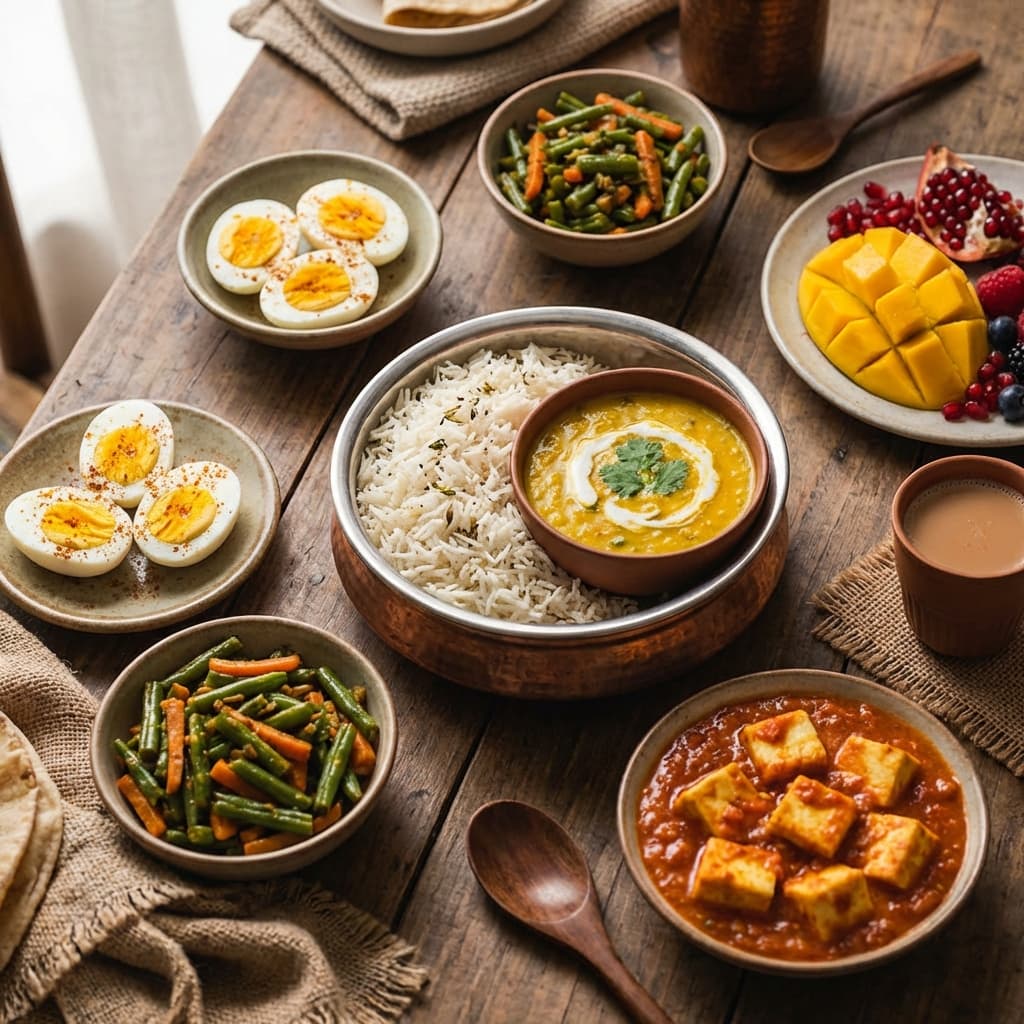
Healthy food background
MODERATE ⚠️Before BedLast Updated: 1/12/2026

Can I Eat Rice Before Bed?

Eating rice before bed isn't inherently bad, but it depends on the type of rice, portion size, and your individual metabolic health. White rice, with its higher glycemic index, can lead to blood sugar spikes and potentially disrupt sleep, especially for those with insulin resistance. Brown rice, being richer in fiber, is a better option, promoting satiety and a more gradual glucose release. Consider your activity levels throughout the day and adjust your carbohydrate intake accordingly to optimize sleep quality and weight management.

Key Insight

The amylose to amylopectin ratio in different rice varieties significantly impacts their glycemic index and digestibility. Rice with a higher amylose content digests slower, leading to a more stable blood sugar response.

The Science Behind Rice

Rice, a staple grain for billions, is primarily composed of carbohydrates. A 100-gram serving of cooked white rice contains approximately 28 grams of carbohydrates, primarily in the form of starch. This starch is further broken down into glucose, the body's primary energy source. The glycemic index (GI) of white rice typically ranges from 64 to 89, classifying it as a medium to high GI food, meaning it can cause a rapid increase in blood sugar levels. Brown rice, on the other hand, has a GI ranging from 50 to 55, making it a low to medium GI choice due to its higher fiber content.

Beyond carbohydrates, rice also provides small amounts of protein, typically around 2.7 grams per 100-gram serving, and negligible amounts of fat (around 0.3 grams). However, its micronutrient profile varies depending on the variety. Brown rice is a good source of magnesium (approx. 44mg per 100g), manganese (approx. 1.1mg per 100g), phosphorus (approx. 115mg per 100g), and selenium (approx. 14mcg per 100g). White rice loses some of these nutrients during processing, although it is often fortified with iron and B vitamins.

Nutrition research indicates that the digestion speed of rice is influenced by its amylose and amylopectin content. Amylose, a resistant starch, digests slowly, contributing to a lower GI. Amylopectin, conversely, digests rapidly, leading to a quicker glucose release. Clinical studies show that rice varieties with a higher amylose content are associated with improved blood sugar control and reduced postprandial insulin response. Furthermore, the cooking method also plays a role. Cooling cooked rice before consumption can increase the formation of resistant starch, further lowering its GI. The metabolic impact of rice consumption is primarily related to its effect on blood sugar and insulin levels. Frequent consumption of high-GI rice, particularly without adequate fiber or protein, can contribute to insulin resistance and an increased risk of type 2 diabetes. However, moderate consumption of lower-GI rice varieties, especially when combined with a balanced diet and regular physical activity, can be part of a healthy eating pattern.

🌍

Global & Cultural Insights

Rice is a cornerstone of Indian cuisine, particularly in South and East India, where it's a staple food consumed daily. Traditional Ayurvedic medicine considers rice to have cooling properties and recommends different types of rice based on individual doshas (body types). For example, aged rice is considered easier to digest. In modern Indian diets, rice is often paired with lentils (dal), vegetables, and yogurt, creating a balanced meal. Many Indians combine rice with roti (flatbread) in the same meal. When incorporating both in a meal, consider prioritizing whole-wheat roti for added fiber and consuming a smaller portion of rice, especially at dinner. Choosing brown rice over white rice is a simple way to make your meals healthier and more aligned with weight management and blood sugar control goals.

Who Should Eat Rice?

For People with Diabetes/Insulin Resistance

Recommended

Choose brown rice or parboiled rice (like Sella rice) over white rice due to their lower glycemic index. Control portion sizes to a maximum of 1/2 cup cooked rice per meal. Pair rice with protein and fiber-rich foods like lentils, vegetables, or lean meats to slow down glucose absorption.

Caution

Avoid eating large portions of white rice, especially before bed, as it can lead to significant blood sugar spikes overnight. Monitor blood glucose levels regularly to assess individual responses to different rice varieties and portion sizes. Be wary of instant rice varieties, which often have a higher glycemic index.

For Weight Loss & Metabolism

Recommended

Opt for brown rice or wild rice, which have higher fiber content and promote satiety, helping you feel fuller for longer. Consider using cauliflower rice as a low-carbohydrate alternative. Pre-portion your rice servings to control calorie intake (approximately 205 calories per cup of cooked brown rice).

Caution

Avoid eating large amounts of rice as your sole carbohydrate source, especially late at night, as excess calories can be stored as fat. Watch out for hidden calories in rice dishes prepared with added oils, sauces, or creamy ingredients. Avoid refined white rice before bed as it can lead to a blood sugar spike followed by a crash, potentially disrupting sleep and increasing cravings.

For Athletes & Muscle Gain

Recommended

White rice can be a useful source of quick-digesting carbohydrates post-workout to replenish glycogen stores. Combine rice with a protein source like chicken, fish, or tofu to support muscle recovery and growth. Brown rice provides sustained energy release for longer workouts.

Caution

Avoid relying solely on rice as your protein source. Ensure you consume adequate protein from other sources to meet your muscle-building needs. Be mindful of portion sizes to avoid excessive carbohydrate intake, which can hinder fat loss if that's a goal. White rice before a workout may lead to a quick energy spike followed by a crash.

For Heart Health & Cholesterol

Recommended

Brown rice is a good source of fiber, which can help lower LDL (bad) cholesterol levels. Choose rice varieties that are naturally low in sodium. Use healthy cooking methods like steaming or boiling instead of frying.

Caution

Avoid adding excessive amounts of salt or saturated fats (like butter or ghee) to your rice dishes. Be mindful of the sodium content in pre-packaged rice mixes. Limit portions if cooking rice with coconut milk, as it's high in saturated fat.

For Digestive Health (Gut)

Recommended

Brown rice contains prebiotic fiber that can promote the growth of beneficial gut bacteria. Cook rice thoroughly to improve digestibility. Incorporate fermented foods like kimchi or yogurt alongside rice to enhance gut health.

Caution

Some individuals may experience bloating or gas from consuming large amounts of brown rice due to its fiber content. Introduce brown rice gradually into your diet to allow your gut to adapt. If you have Irritable Bowel Syndrome (IBS), monitor your tolerance to different rice varieties and portion sizes. White rice may be better tolerated for some with IBS due to its lower fiber content, but it offers fewer nutritional benefits.

Timing Your Nutrition

Best Time

The best time to consume rice depends on your individual needs and activity levels. For active individuals, consuming rice earlier in the day or after a workout is ideal to replenish glycogen stores and provide energy. Consuming rice with lunch allows you to utilize the energy throughout the afternoon. If you're going to have rice before bed, limit the portion size and choose a lower GI option like brown rice.

⚠️

Avoid When

Avoid consuming large portions of white rice right before bed, especially if you have insulin resistance or are trying to lose weight. The rapid spike in blood sugar can disrupt sleep and contribute to fat storage. For those prone to heartburn, lying down soon after eating rice, especially if it's a large portion, can exacerbate symptoms.

🍽️

Pair With

To lower the glycemic impact of rice, pair it with protein and fiber-rich foods. For example, combine rice with lentils (dal), vegetables, lean meats, or fish. Adding a source of healthy fat, like avocado or olive oil, can also help slow down glucose absorption.

Portion Control

Ideal Serving

The ideal portion size of cooked rice is approximately 1/2 cup (about 75-100 grams) for most individuals. This provides a reasonable amount of carbohydrates without excessive calorie intake.

Max Per Day

The maximum safe limit for rice consumption depends on your overall carbohydrate intake and activity levels. However, exceeding 1 cup (about 150-200 grams) of cooked rice per meal, especially if it's white rice, is generally not recommended, particularly before bed. For those with diabetes or insulin resistance, even smaller portions may be more appropriate.

Frequency

Rice can be consumed daily as part of a balanced diet, but it's important to vary your carbohydrate sources and not rely solely on rice. Consider incorporating other grains like quinoa, oats, and millets into your meal plan.

Common Myth

"All rice is unhealthy and should be avoided."

Not quite true
The Reality

This is false. While refined white rice can have a higher glycemic index and lower nutrient content, brown rice, wild rice, and other less processed varieties offer significant health benefits due to their fiber, vitamins, and minerals. The key is to choose the right type of rice and consume it in moderation as part of a balanced diet.

Fact Checked

💡 Expert Tip

"Try cooking your rice a day in advance and refrigerating it overnight. This process increases the amount of resistant starch, which acts like fiber and has a lower glycemic impact. Reheat it gently before consuming."

Common Questions

Does Rice cause weight gain?

Rice itself doesn't inherently cause weight gain. Weight gain occurs when you consume more calories than you burn, creating a calorie surplus. If you eat rice in moderation as part of a balanced diet and maintain an active lifestyle, it's unlikely to lead to weight gain. However, consistently consuming large portions of rice, particularly white rice with a high glycemic index, can contribute to insulin resistance and increased fat storage if not balanced with other nutrients and physical activity. The key is portion control and choosing healthier rice varieties like brown rice.

Can I eat Rice on an empty stomach?

Eating rice on an empty stomach can lead to a rapid increase in blood sugar levels, especially if it's white rice. This is because there are no other foods present to slow down the absorption of glucose. This can result in an insulin spike followed by a potential energy crash. Some individuals may also experience acidity or digestive discomfort if they consume rice on an empty stomach, particularly if they are prone to acid reflux.

How does Rice affect sleep?

The effect of rice on sleep depends on the type of rice, portion size, and individual physiology. White rice, with its high glycemic index, can cause blood sugar fluctuations that may disrupt sleep. Brown rice, with its lower GI and higher fiber content, is a better choice for promoting stable blood sugar levels and potentially improving sleep quality. Eating a large portion of any type of rice right before bed can also interfere with sleep due to digestive discomfort.

Is Rice good for skin/hair?

Rice contains several micronutrients that can contribute to skin and hair health. Brown rice is a good source of selenium, which acts as an antioxidant and protects skin cells from damage. It also contains manganese, which is involved in collagen production, essential for skin elasticity and hair strength. Rice water, the starchy water left over after cooking rice, is sometimes used as a hair rinse to improve shine and manageability.

Need a Personalized Diet Plan?

Generalized advice is good, but your body is unique. Upload your recent health report and get AI-powered nutrition guidance tailored specifically to your bloodwork.

Get My Personalized Plan

What Should You Do Next?

Analyze Your Report

Upload your lab PDF to get a full AI breakdown instantly.

Upload PDF

Food Decisions

Confused about what to eat? Check our food guide.

Food Guide

Start Health Journey

Create a personalized profile to track your progress.

Get Started