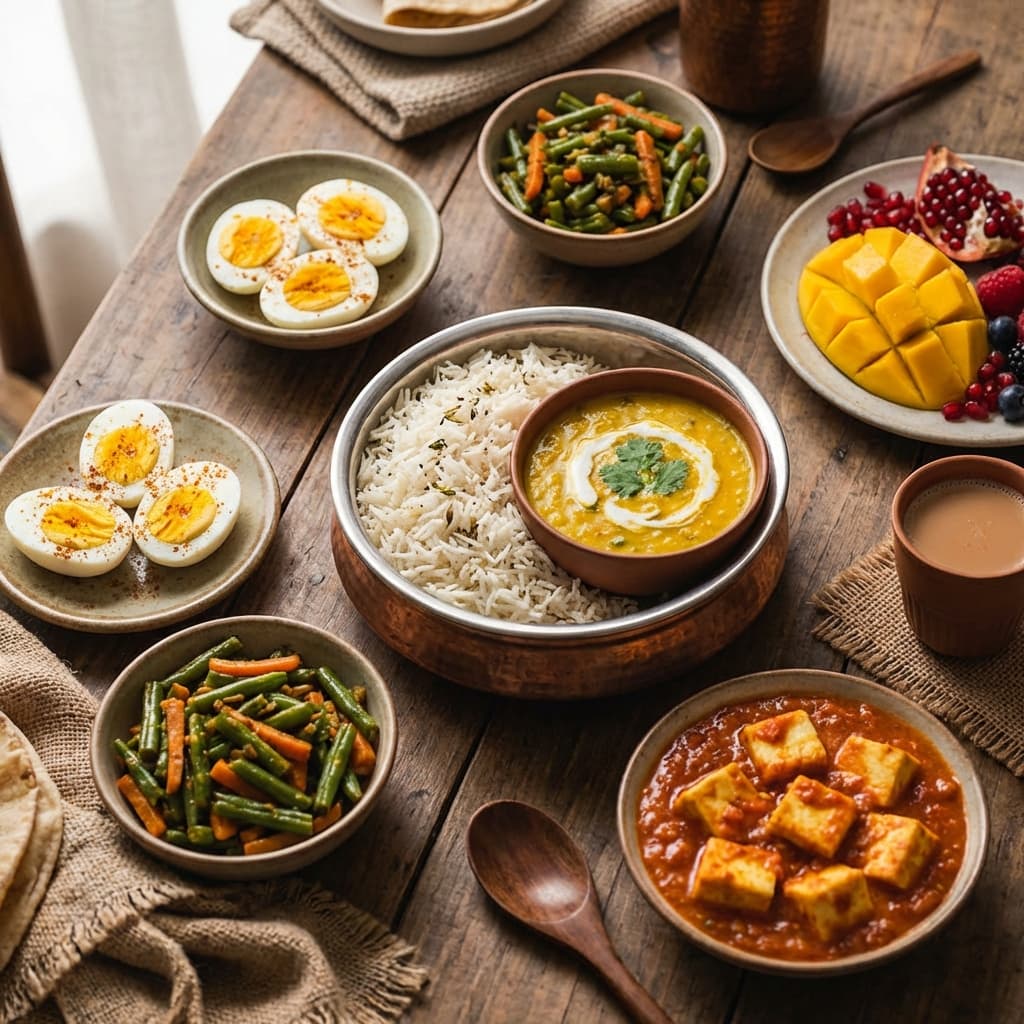
Healthy food background
MODERATE ⚠️Before WorkoutLast Updated: 1/12/2026

Can I Eat Rice Before Workout?

Eating rice before a workout can be beneficial, providing a readily available source of carbohydrates for energy. However, the type of rice, portion size, and timing are crucial. Opt for easily digestible white rice in moderate portions, consumed 1-2 hours before exercise to avoid digestive discomfort and ensure sustained energy levels. Brown rice, while nutritious, may be too high in fiber and slow to digest for pre-workout consumption.

Key Insight

Cooling rice after cooking significantly increases its resistant starch content, potentially lowering its glycemic index and promoting gut health if consumed later.

The Science Behind Rice

Rice, a staple grain for billions, primarily consists of carbohydrates, making it a significant energy source. White rice is predominantly starch (amylose and amylopectin), which is quickly broken down into glucose, providing a rapid energy boost. A 100g serving of cooked white rice contains approximately 28g of carbohydrates, 0.3g of fiber, 2.7g of protein, and negligible fat, totaling around 130 calories. Its Glycemic Index (GI) typically ranges from 64 to 70, classifying it as a medium-GI food, meaning it causes a moderate increase in blood sugar levels. Clinical studies show that the GI of rice can vary depending on the variety, processing method, and cooking time.

Brown rice, conversely, retains the bran and germ layers, making it richer in fiber, vitamins, and minerals. A 100g serving provides about 23g of carbohydrates, 1.8g of fiber, 2.6g of protein, and around 111 calories. Its GI is generally lower, ranging from 50 to 55. Nutrition research indicates that the higher fiber content slows down digestion and glucose absorption, leading to a more gradual and sustained energy release. Brown rice also contains manganese, magnesium, selenium, and B vitamins, crucial for various metabolic processes.

Rice protein, though not as abundant as in legumes or animal products, contains all essential amino acids, albeit in smaller quantities. It is considered a hypoallergenic protein source, making it suitable for individuals with sensitivities to gluten or soy. The digestion speed of rice varies depending on the type. White rice is rapidly digested and absorbed, peaking blood glucose levels within 30-60 minutes. Brown rice, due to its fiber content, takes longer to digest, with glucose absorption occurring over a more extended period, typically 1-2 hours. The metabolic impact of rice consumption involves the release of insulin to regulate blood sugar levels. High GI foods like white rice can trigger a more significant insulin response compared to low GI options such as brown rice. The insulin response facilitates glucose uptake by cells for energy or storage as glycogen in muscles and liver. However, frequent consumption of high GI foods can lead to insulin resistance over time. Studies have also explored the impact of cooking and cooling rice on its resistant starch content. When cooked rice is cooled, a portion of the digestible starch converts into resistant starch, which is not digested in the small intestine but ferments in the large intestine, acting as a prebiotic and promoting gut health. This process can slightly lower the overall glycemic impact of rice.

🌍

Global & Cultural Insights

Rice is a staple food for over half the world's population, with a rich history spanning thousands of years. Originating in Asia, rice cultivation spread across the globe, becoming a cornerstone of various cuisines and cultures. In East Asia, rice is often steamed or boiled and served as a base for countless dishes. In Southeast Asia, sticky rice is a popular dessert ingredient. In Latin America, rice is frequently cooked with beans and spices. In Spain, paella, a rice dish with seafood and vegetables, is a national treasure. In India, rice holds immense cultural and culinary significance. It is considered a symbol of prosperity and is offered to deities in religious ceremonies. Rice is a staple grain across the country, with regional variations in preparation and consumption. In South India, rice flour is used to make dosas and idlis, while rice is often served with sambar and rasam. In North India, basmati rice is a popular choice for biryani and pulao. Rice is also used to make various desserts, such as kheer and payasam. Ayurveda, the traditional Indian system of medicine, considers rice to be a cooling and grounding food, beneficial for balancing the doshas (energetic principles). Different types of rice are believed to have different properties, with brown rice considered more nutritious and white rice more easily digestible. Rice is deeply ingrained in Indian culinary traditions and is an integral part of daily meals for millions of people.

Who Should Eat Rice?

For People with Diabetes/Insulin Resistance

Recommended

If you have diabetes or insulin resistance, prioritize brown rice or basmati rice due to their lower glycemic index. Control portion sizes to minimize blood sugar spikes. Consider parboiled rice (converted rice), which tends to have a lower GI than regular white rice. Always monitor your blood glucose levels after consuming rice to understand your individual response.

Caution

Avoid large portions of white rice, especially on an empty stomach. Pair rice with protein and healthy fats to further slow down glucose absorption. Limit your rice intake to 1/2 - 1 cup (cooked) per meal.

For Weight Loss & Metabolism

Recommended

Choose brown rice or wild rice over white rice for increased fiber and satiety. Fiber helps you feel fuller for longer, potentially reducing overall calorie intake. Rice can be a part of a weight loss diet if portion sizes are controlled and balanced with other nutrient-dense foods.

Caution

Avoid consuming large portions of rice, especially white rice, late in the evening, as it can contribute to increased fat storage. Be mindful of hidden calories from sauces and gravies often served with rice. Don't consume more than 1 cup (cooked) of rice per meal.

For Athletes & Muscle Gain

Recommended

White rice can be a good pre-workout option for athletes needing a quick energy source. Post-workout, rice can help replenish glycogen stores, especially when combined with a protein source like chicken or fish. Brown rice provides sustained energy release for longer workouts.

Caution

Avoid consuming large portions of brown rice immediately before a high-intensity workout, as the fiber content may cause digestive discomfort. Time your rice intake strategically, allowing sufficient time for digestion before exercise (1-2 hours). Supplement with other protein sources to optimize muscle recovery.

For Heart Health & Cholesterol

Recommended

Brown rice is a good source of fiber, which can help lower LDL (bad) cholesterol levels. The antioxidants in brown rice may also contribute to cardiovascular health. Choose whole grain rice varieties over processed white rice.

Caution

Be mindful of the sodium content of commercially prepared rice dishes. Limit the use of high-sodium sauces and seasonings. If you have high cholesterol, consider incorporating other cholesterol-lowering foods like oats and legumes into your diet alongside rice.

For Digestive Health (Gut)

Recommended

Brown rice contains prebiotic fiber that can promote the growth of beneficial gut bacteria. Cooked and cooled rice contains resistant starch, which further supports gut health. White rice is easily digestible for individuals with sensitive stomachs.

Caution

Some individuals may experience bloating or gas from high-fiber rice varieties like brown rice. Introduce brown rice gradually into your diet to allow your gut to adjust. If you experience digestive discomfort, opt for white rice or smaller portions of brown rice.

Timing Your Nutrition

Best Time

For pre-workout energy, the best time to consume white rice is 1-2 hours before exercise. This allows sufficient time for digestion and glucose absorption, providing a readily available energy source for your muscles. For post-workout glycogen replenishment, consume rice within 30-60 minutes after exercise, ideally paired with a protein source.

⚠️

Avoid When

Avoid consuming large portions of rice, especially white rice, right before bed. This can lead to a rapid spike in blood sugar levels, potentially disrupting sleep quality and promoting fat storage. If you must eat rice in the evening, opt for a small portion of brown rice and pair it with protein and vegetables.

🍽️

Pair With

To lower the glycemic impact of rice, pair it with protein (chicken, fish, lentils) and healthy fats (avocado, nuts, olive oil). The protein and fat will slow down glucose absorption, preventing rapid blood sugar spikes. Adding vinegar to rice before consumption has also been shown to reduce the glycemic response.

Portion Control

Ideal Serving

For pre-workout, 1/2 to 1 cup (cooked) of white rice is generally sufficient. For post-workout, 1 to 1.5 cups (cooked) of white or brown rice can help replenish glycogen stores. For general consumption, aim for 1/2 to 1 cup (cooked) of rice per meal.

Max Per Day

Do not exceed 2 cups (cooked) of rice per day, especially if you are consuming other carbohydrate-rich foods. Exceeding this limit can contribute to weight gain and blood sugar imbalances.

Frequency

Rice can be consumed daily as part of a balanced diet, but prioritize whole grain varieties and control portion sizes. Vary your carbohydrate sources to ensure you are getting a wide range of nutrients.

Common Myth

"Rice is inherently unhealthy and should be completely avoided for weight loss."

Not quite true
The Reality

Rice, especially brown rice, can be a part of a healthy and balanced diet, even for weight loss. The key is to choose whole grain varieties, control portion sizes, and pair it with protein and healthy fats. Brown rice provides fiber, vitamins, and minerals, contributing to overall health and satiety. Completely eliminating rice from your diet is unnecessary and may lead to nutrient deficiencies.

Fact Checked

💡 Expert Tip

"Try soaking brown rice for several hours or overnight before cooking. This can help break down phytic acid, which can inhibit the absorption of certain minerals like iron and zinc. Soaking also makes the rice more digestible and reduces cooking time."

Common Questions

Does Rice cause weight gain?

Rice itself does not directly cause weight gain. Weight gain occurs when you consume more calories than you burn, regardless of the source. Rice, like any other carbohydrate-rich food, can contribute to weight gain if consumed in excess. White rice, with its higher glycemic index, can lead to a rapid spike in blood sugar and insulin levels, potentially promoting fat storage if the excess glucose is not used for energy. Therefore, portion control and choosing whole grain varieties like brown rice are crucial for managing weight while including rice in your diet.

Can I eat Rice on an empty stomach?

Eating white rice on an empty stomach can lead to a rapid increase in blood sugar and insulin levels. This can cause an energy crash shortly after consumption and may contribute to insulin resistance over time. Brown rice, due to its fiber content, will have a less dramatic impact on blood sugar levels. However, it is generally recommended to pair rice with protein and healthy fats to slow down glucose absorption and stabilize blood sugar levels, even if you are not eating it on a completely empty stomach. Some individuals may experience acidity or bloating when consuming rice on an empty stomach.

How does Rice affect sleep?

White rice, due to its high glycemic index, can potentially disrupt sleep if consumed close to bedtime. The rapid spike in blood sugar and insulin can interfere with sleep hormone production. Brown rice, with its lower glycemic index, is less likely to have a negative impact on sleep. However, it's generally best to avoid consuming large portions of any carbohydrate-rich food close to bedtime. A small portion of rice paired with protein and vegetables may be acceptable, but monitor your individual response.

Is Rice good for skin/hair?

Rice contains several micronutrients that can contribute to skin and hair health. Brown rice is a good source of selenium, an antioxidant that can protect skin cells from damage. It also contains B vitamins, which are essential for healthy hair growth. Rice water, the starchy water left over after cooking rice, is often used as a traditional beauty treatment to improve skin tone and hair shine. However, the effects of rice water on skin and hair are not fully supported by scientific evidence.

Need a Personalized Diet Plan?

Generalized advice is good, but your body is unique. Upload your recent health report and get AI-powered nutrition guidance tailored specifically to your bloodwork.

Get My Personalized Plan

What Should You Do Next?

Analyze Your Report

Upload your lab PDF to get a full AI breakdown instantly.

Upload PDF

Food Decisions

Confused about what to eat? Check our food guide.

Food Guide

Start Health Journey

Create a personalized profile to track your progress.

Get Started