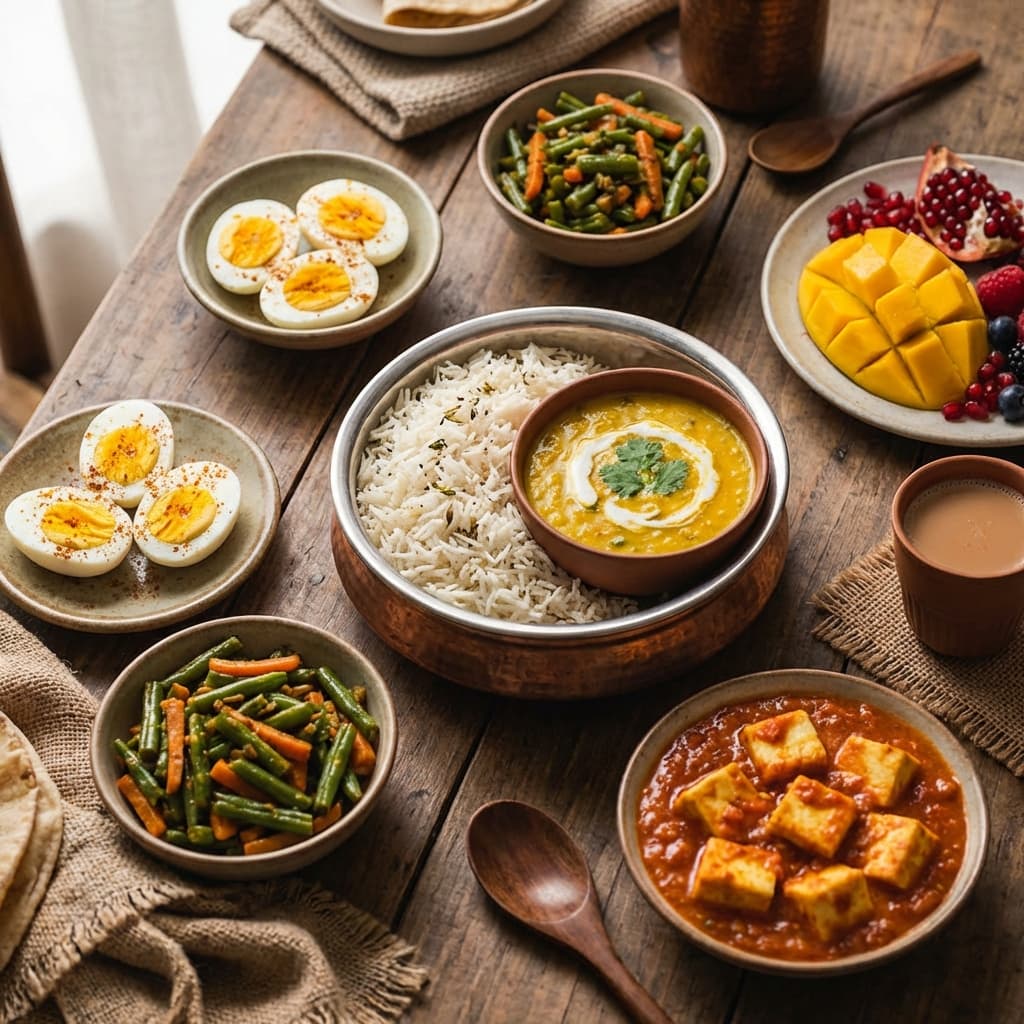
Healthy food background
MODERATE ⚠️Last Updated: 1/12/2026

Can I Eat Dosa ?

Dosa, a South Indian staple, can be enjoyed at any time of day, but its impact varies based on ingredients, portion size, and your individual health goals. While a good source of carbohydrates for energy, dosa's high glycemic index and potential for added fats necessitate mindful consumption. Opting for dosas made with healthier flours like ragi or oats, controlling portion sizes, and pairing them with protein and fiber-rich accompaniments can make it a more balanced and beneficial food choice, regardless of the time of consumption.

Key Insight

The fermentation process in dosa batter increases the bioavailability of micronutrients like iron and B vitamins, making them easier for the body to absorb compared to non-fermented grain products.

The Science Behind Dosa

Dosa is primarily composed of fermented rice and urad dal (black gram). The macronutrient profile is heavily carbohydrate-focused, with a standard dosa (approximately 80g) containing roughly 25-30g of carbohydrates, 3-5g of protein, and 2-5g of fat, depending on the cooking method and ingredients. The fat content can significantly increase if ghee or butter is liberally used during cooking. Clinical studies show that fermentation enhances the nutritional value of grains and legumes. It increases the levels of certain vitamins, particularly B vitamins like riboflavin and niacin. The fermentation process also breaks down complex carbohydrates into simpler sugars, leading to a higher glycemic index (GI). A typical dosa has a GI ranging from 70-80, placing it in the high GI category. This means it can cause a rapid spike in blood sugar levels, especially when consumed alone. The exact GI value can fluctuate based on the rice-to-dal ratio and the type of rice used. White rice dosas will have a higher GI compared to those made with brown rice or millets. Nutrition research indicates that the protein in urad dal is a valuable source of essential amino acids, contributing to muscle repair and growth. However, the protein content in a single dosa is relatively low and needs to be supplemented with other protein sources for optimal health. Furthermore, the fermentation process reduces phytates and tannins, which are anti-nutrients that can inhibit the absorption of minerals like iron and zinc. Fermentation, therefore, increases the bioavailability of these crucial nutrients. The digestion speed of dosa is relatively fast due to its high carbohydrate content and the breakdown of complex carbohydrates during fermentation. This rapid digestion leads to a quick release of glucose into the bloodstream, impacting insulin levels. The metabolic impact of regular dosa consumption depends on individual factors such as activity level, insulin sensitivity, and overall dietary pattern. While it can provide a quick source of energy, excessive consumption, especially of dosas high in fat and made with refined grains, can contribute to weight gain and insulin resistance.

Portion Control

Ideal Serving

The ideal portion size is one to two small dosas (approximately 80-160g).

Max Per Day

The maximum safe limit is two medium-sized dosas (approximately 200g), especially if you are managing diabetes or trying to lose weight. Exceeding this limit can lead to excessive calorie and carbohydrate intake.

Frequency

Dosa can be consumed 2-3 times per week as part of a balanced diet.

Common Myth

"Dosa is inherently unhealthy and should be avoided completely."

Not quite true
The Reality

While dosa can be high in carbohydrates and have a high glycemic index, it's not inherently unhealthy. By choosing healthier ingredients like ragi or oats, controlling portion sizes, and pairing it with protein and fiber-rich sides, dosa can be part of a balanced diet. The fermentation process also offers nutritional benefits.

Fact Checked

💡 Expert Tip

"For enhanced gut health and improved nutrient absorption, consider adding a spoonful of homemade probiotic-rich yogurt to your dosa batter before fermentation. This will increase the population of beneficial bacteria and further break down complex carbohydrates, making the dosa even easier to digest."

Common Questions

Does Dosa cause weight gain?

Dosa itself doesn't directly cause weight gain. Weight gain is primarily determined by whether you consume more calories than you burn. Dosa, being a carbohydrate-rich food, can contribute to weight gain if consumed in excess. The glycemic index of dosa can also lead to insulin spikes, which, over time, can contribute to insulin resistance and weight gain. However, if you consume dosa in moderation, choose healthier variations (like those made with ragi or oats), and pair it with protein and fiber, it can be part of a balanced diet without contributing to weight gain. Portion control and overall dietary habits are key factors.

Can I eat Dosa on an empty stomach?

Eating dosa on an empty stomach is generally not recommended, especially if you are prone to acidity or have diabetes. The high glycemic index of dosa can cause a rapid spike in blood sugar levels, followed by a crash. This can lead to energy fluctuations and increased hunger later in the day. Furthermore, the fermentation process can sometimes trigger acidity in some individuals, especially when consumed on an empty stomach. It's best to consume dosa after having a small, fiber-rich snack or as part of a balanced meal with protein and vegetables.

How does Dosa affect sleep?

Consuming dosa close to bedtime can potentially disrupt sleep, especially if you are sensitive to carbohydrate intake at night. The rapid digestion of carbohydrates can cause fluctuations in blood sugar levels, which can interfere with sleep hormones like melatonin. Additionally, the fermentation process might cause some bloating in sensitive individuals, making it difficult to fall asleep. It's best to consume dosa at least 2-3 hours before bedtime to allow for proper digestion and stabilization of blood sugar levels.

Is Dosa good for skin/hair?

Dosa can indirectly contribute to healthy skin and hair due to the micronutrients present in its ingredients. Urad dal is a good source of iron, which is essential for healthy hair growth. The fermentation process increases the bioavailability of B vitamins, which play a role in maintaining healthy skin. However, the nutrient content in a single dosa is relatively low, and it's important to consume a variety of nutrient-rich foods for optimal skin and hair health. For example, vitamin C from vegetables in sambar can improve skin collagen.

Metabolic Intelligence Engine

Check this food for YOUR A1C

Stop reading generalizations. Get a personalized metabolic safety score instantly.

Personalized Score
A1C Optimized
Free Guide

Get your 7-Day Blood Sugar Friendly Plan.

Join 2,000+ others who optimized their A1C using our metabolic food guide. Perfect for Prediabetes & High Cholesterol.

  • Top 5 hidden sugar foods to avoid
  • Smart carb swaps for Indian meals
  • The 'Metabolic Timing' rule
  • Simple grocery checklist

Ready to Download

Your personalized metabolic blueprint is ready. No email required.

Unlocked: Full 5-Page Guide

What Should You Do Next?

Instant Score

Type any food to see its impact on your blood sugar instantly.

Check Score

Smart Alternatives

Find safer swaps for your favorite Indian snacks and meals.

Browse Swaps

Join Pro

Unlock unlimited searches and save your metabolic history.

Go Pro

Get your Personalized Safe Score

Verify Food