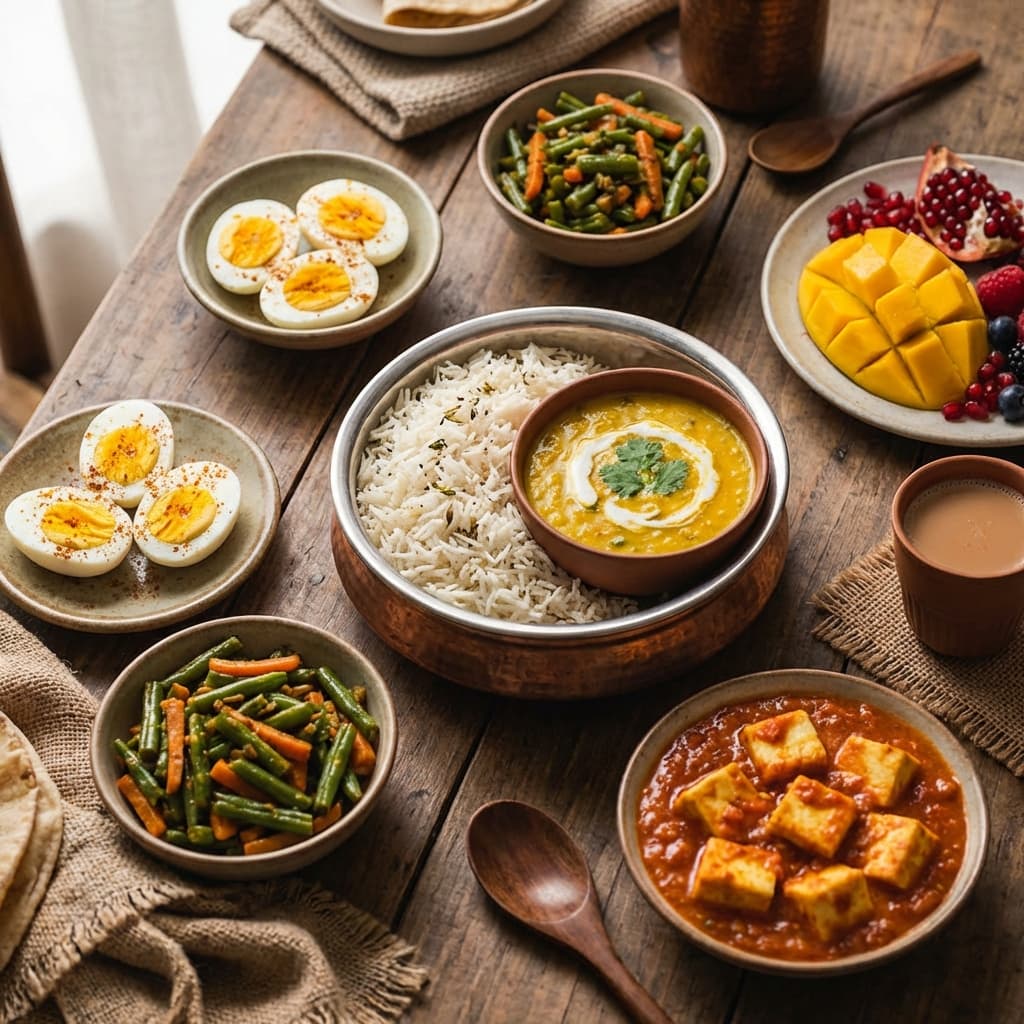
Healthy food background
MODERATE ⚠️at NightLast Updated: 1/12/2026

Can I Eat Dosa at Night?

Eating dosa at night is generally acceptable in moderation for most individuals. However, consider the ingredients and portion size. Dosa, primarily made of rice and lentils, can be carbohydrate-rich, potentially impacting blood sugar levels and digestion, especially if you're not very active in the evening. Opt for smaller portions and consider variations with higher fiber content to minimize potential drawbacks.

Key Insight

Fermentation, a crucial step in dosa preparation, not only enhances its digestibility but also significantly increases the bioavailability of certain nutrients, particularly iron and B vitamins, making them more readily absorbed by the body.

The Science Behind Dosa

Dosa is a fermented crepe primarily made from rice and lentils (typically urad dal). A standard dosa (approximately 70g batter, cooked) contains roughly 120-150 calories. The macronutrient breakdown is typically skewed towards carbohydrates, providing around 20-25 grams of carbs, 4-5 grams of protein, and 2-3 grams of fat. The fat content varies significantly depending on the oil used for cooking. Nutrition research indicates that the fermentation process involved in dosa preparation is a significant factor in its nutritional profile.

Rice contributes primarily to the carbohydrate content, while lentils provide the protein and some fiber. The glycemic index (GI) of dosa can range from 60-70, placing it in the medium GI category. This means it can cause a moderate rise in blood sugar levels. The GI can be influenced by the rice-to-lentil ratio and the type of rice used; using brown rice or adding more lentils can lower the GI. Clinical studies show that fermented foods like dosa can improve gut health by increasing the diversity of gut microbiota. The fermentation process also breaks down complex carbohydrates, making them easier to digest. This can be particularly beneficial for individuals with sensitive digestive systems.

Dosa also contains micronutrients, including iron, calcium, potassium, and B vitamins (especially folate and riboflavin), although the quantities are generally not very high. The bioavailability of these nutrients is enhanced due to the fermentation process. For instance, phytic acid, an antinutrient present in grains and legumes that inhibits mineral absorption, is significantly reduced during fermentation, allowing for better absorption of iron and zinc. Research suggests that the fermentation process increases B vitamin content, specifically B12 in some cases, due to the activity of microorganisms. The digestion speed of dosa is moderate. The carbohydrates are relatively quickly broken down, leading to a gradual release of glucose into the bloodstream. The protein from the lentils contributes to satiety. The metabolic impact of dosa depends on the individual's insulin sensitivity and activity level. In individuals with insulin resistance, a large portion of dosa, especially made with white rice, can lead to a significant spike in blood sugar and insulin levels. However, in active individuals, the carbohydrates can be utilized for energy. The sodium content can be a concern depending on the amount of salt added during batter preparation and consumption with salty side dishes like sambar and chutneys.

🌍

Global & Cultural Insights

Dosa is a staple South Indian dish that has gained popularity across India and globally. It is often consumed as a breakfast item but is also enjoyed for lunch and dinner. In traditional Ayurvedic medicine, dosa, being a fermented food, is considered beneficial for digestion and gut health. However, Ayurveda emphasizes the importance of balance and moderation. In the modern Indian lifestyle, where roti (whole wheat flatbread) and rice are dietary staples, dosa can be a good alternative to rice, especially if made with healthier grains and lentils. It offers a different flavor profile and texture, adding variety to the diet. However, it's important to be mindful of portion sizes and accompaniments to ensure it aligns with a healthy and balanced eating pattern.

Who Should Eat Dosa?

For People with Diabetes/Insulin Resistance

Recommended

Opt for dosas made with brown rice, millets (like ragi or jowar), or a higher proportion of lentils to lower the glycemic index. Focus on portion control; one small dosa is preferable. Pair with fiber-rich vegetables and protein sources (like a lentil-based sambar with plenty of vegetables) to slow down glucose absorption.

Caution

Avoid large portions and regular consumption, especially of dosas made purely from white rice. Monitor blood sugar levels after consuming dosa to understand its impact. Be mindful of the accompanying side dishes, which can often be high in carbohydrates or sodium. Sambar should be low in sugar and tamarind.

For Weight Loss & Metabolism

Recommended

Dosa can be included in a weight loss diet in moderation. Choose dosas made with whole grains and lentils to increase satiety and fiber intake. Be mindful of the oil used for cooking; use minimal oil or opt for a non-stick pan. Prioritize protein-rich accompaniments like a bowl of sprouts or a lentil-based curry.

Caution

Avoid frequent consumption of large dosas, especially those made with white rice. Be careful of the caloric density, as the oil used in cooking can significantly increase the calorie count. Avoid consuming it with high-calorie chutneys like coconut chutney in large quantities. Late-night consumption without sufficient activity can lead to weight gain.

For Athletes & Muscle Gain

Recommended

Dosa can be a good source of carbohydrates for energy, especially for endurance athletes. The lentils provide a moderate amount of protein. Consider adding a side of protein-rich food like eggs or chicken to meet your protein needs. Consume dosa a few hours before a workout to provide sustained energy.

Caution

Avoid consuming dosa immediately before a workout, as it can cause digestive discomfort. Be mindful of the sodium content, especially if you're prone to bloating. While dosa provides carbohydrates, it's not a complete protein source, so supplement with other protein sources for optimal muscle recovery.

For Heart Health & Cholesterol

Recommended

Choose dosas made with whole grains like brown rice or millets to increase fiber intake, which can help lower cholesterol levels. Use heart-healthy oils like olive oil or rice bran oil for cooking. Limit the intake of salty side dishes to control sodium intake.

Caution

Be mindful of the fat content, especially if you are using a lot of oil for cooking. Avoid consuming dosa with high-fat accompaniments like coconut chutney or fried snacks. Limit the intake of sodium-rich sambar and chutneys, as high sodium intake can raise blood pressure. Ensure the dosa batter is low in sodium.

For Digestive Health (Gut)

Recommended

The fermentation process makes dosa easier to digest for many people. The probiotics produced during fermentation can promote gut health. If you have digestive issues, start with a small portion and see how your body reacts. Consider adding ginger or asafoetida (hing) to the batter to aid digestion.

Caution

Some individuals may experience bloating or acidity after consuming dosa, especially if they are sensitive to fermented foods or have underlying digestive issues. If you have Irritable Bowel Syndrome (IBS), be cautious, as fermented foods can sometimes trigger symptoms. The lentils can also cause gas in some individuals. Avoid overeating, as this can worsen digestive symptoms.

Timing Your Nutrition

Best Time

The best time to consume dosa is during breakfast or lunch, when your metabolism is generally higher and you have more time to burn off the carbohydrates. Consuming it earlier in the day allows for better utilization of the energy provided by the carbohydrates.

⚠️

Avoid When

While not strictly forbidden, it's generally advisable to avoid eating dosa very late at night, especially if you have a sedentary lifestyle. Consuming a carbohydrate-rich meal close to bedtime can lead to elevated blood sugar levels and potentially disrupt sleep quality. The body's insulin sensitivity is typically lower in the evening, making it harder to process carbohydrates efficiently.

🍽️

Pair With

Pair dosa with a protein-rich sambar and fiber-rich vegetables. This combination helps to slow down the absorption of carbohydrates and provides a more balanced meal. Adding a side of yogurt or buttermilk can aid digestion due to the probiotic content.

Portion Control

Ideal Serving

One small to medium-sized dosa (approximately 70g batter, cooked) is generally considered an ideal portion for most individuals. This provides a reasonable balance of carbohydrates and other nutrients without excessive calorie intake.

Max Per Day

Limit yourself to two small dosas (approximately 140g batter, cooked) as a maximum portion size, especially if you are consuming it at night or have any underlying health conditions. Exceeding this limit can lead to a significant increase in calorie and carbohydrate intake.

Frequency

Consuming dosa 2-3 times per week is generally acceptable for most individuals. However, if you have diabetes or are trying to lose weight, limit it to once or twice a week and focus on healthier variations.

Common Myth

"Dosa is a completely healthy and nutritious food."

Not quite true
The Reality

While dosa offers some nutritional benefits due to the fermentation process and the presence of lentils, it's not inherently a completely healthy food. The nutritional value depends heavily on the ingredients used (white rice vs. brown rice/millets), the amount of oil used for cooking, and the accompanying side dishes. A dosa made primarily from white rice and served with high-calorie, sodium-rich accompaniments can be quite unhealthy. It's essential to choose healthier variations and be mindful of portion sizes and accompaniments.

Fact Checked

💡 Expert Tip

"Experiment with adding fenugreek seeds (methi) to your dosa batter. Fenugreek seeds are known for their blood sugar-regulating properties and can help lower the glycemic impact of the dosa. Additionally, they add a unique flavor and aroma to the dosa, while also providing additional fiber and nutrients."

Common Questions

Does Dosa cause weight gain?

Dosa itself doesn't inherently cause weight gain. Weight gain occurs when you consume more calories than you burn. If you consume dosa in moderation as part of a balanced diet and maintain a calorie deficit, it's unlikely to cause weight gain. However, overeating dosa, especially when it's made with white rice and cooked in a lot of oil, can contribute to a calorie surplus and lead to weight gain. Also, the high glycemic index may cause insulin spikes leading to fat storage. Including protein and fiber in your meal alongside the dosa can help mitigate this effect by increasing satiety and slowing down glucose absorption.

Can I eat Dosa on an empty stomach?

Eating dosa on an empty stomach is generally not recommended, especially for individuals prone to acidity or heartburn. Dosa, being fermented, can potentially irritate the stomach lining when consumed without any other food. Furthermore, the carbohydrate content can lead to a rapid spike in blood sugar levels, followed by a crash, which can leave you feeling tired and hungry. It's best to consume dosa after having a small, easily digestible snack or as part of a balanced meal.

How does Dosa affect sleep?

Dosa's effect on sleep depends on the timing and portion size. Consuming a large portion of dosa close to bedtime can potentially disrupt sleep. The carbohydrates can lead to a temporary increase in blood sugar levels, which can interfere with the production of sleep hormones like melatonin. Additionally, the digestion process can be slow, leading to discomfort and restlessness. Eating a small portion of dosa a few hours before bedtime might not have a significant impact, but it's best to avoid it altogether if you're sensitive to carbohydrates or have sleep problems.

Is Dosa good for skin/hair?

Dosa contains some nutrients that can indirectly benefit skin and hair health. The lentils provide protein, which is essential for building and repairing tissues, including skin and hair. The B vitamins present in dosa contribute to cell growth and can help maintain healthy skin and hair. However, dosa is not a significant source of vitamins or minerals specifically known for promoting skin and hair health. A balanced diet rich in fruits, vegetables, and other nutrient-dense foods is crucial for optimal skin and hair health.

Need a Personalized Diet Plan?

Generalized advice is good, but your body is unique. Upload your recent health report and get AI-powered nutrition guidance tailored specifically to your bloodwork.

Get My Personalized Plan

What Should You Do Next?

Analyze Your Report

Upload your lab PDF to get a full AI breakdown instantly.

Upload PDF

Food Decisions

Confused about what to eat? Check our food guide.

Food Guide

Start Health Journey

Create a personalized profile to track your progress.

Get Started