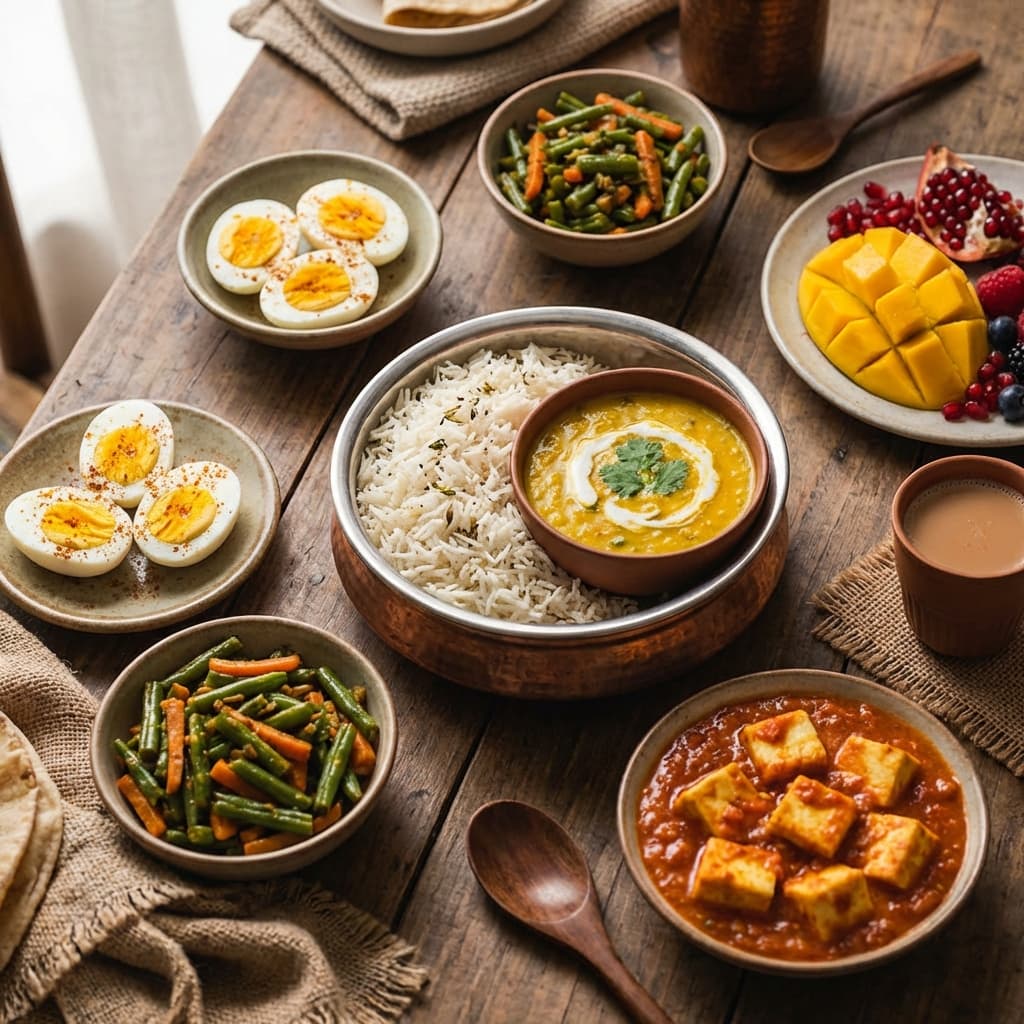
Healthy food background
MODERATE ⚠️After WorkoutLast Updated: 1/12/2026

Can I Eat Dosa After Workout?

Dosa can be a suitable post-workout meal, especially for endurance athletes, due to its carbohydrate content which helps replenish glycogen stores. However, the nutritional value depends heavily on the ingredients and preparation method. Opt for dosas made from whole grains like ragi or oats instead of primarily rice, and pair them with protein-rich sides like lentil-based sambar or a lean meat/egg curry to optimize muscle recovery. Be mindful of added oils and sodium content.

Key Insight

The fermentation process of dosa batter increases the bioavailability of certain nutrients, meaning your body can absorb them more efficiently compared to non-fermented grains.

The Science Behind Dosa

Dosa, in its traditional form, is a thin pancake made from a fermented batter of rice and black lentils (urad dal). The fermentation process is key, impacting its nutritional profile significantly. Macronutrient-wise, dosa is primarily a carbohydrate source, deriving from the rice and lentils. A typical dosa (around 80-100g) contains roughly 15-20g of carbohydrates, 3-4g of protein, and 2-3g of fat, depending on the oil used for cooking. The fat content can significantly increase if ghee or butter is used generously.

Nutrition research indicates that the glycemic index (GI) of dosa can vary widely. White rice-based dosas tend to have a higher GI, potentially ranging from 70-80, leading to a quicker spike in blood sugar levels. However, incorporating whole grains like brown rice, oats, ragi, or millets can lower the GI to the 50-60 range. Clinical studies show that consuming foods with a lower GI can aid in better blood sugar control and sustained energy levels, crucial for individuals with diabetes or those aiming for weight management. The addition of lentils contributes to the protein content and also helps lower the GI slightly.

Micronutrient-wise, dosa provides a source of iron, calcium (especially when urad dal is used), and B vitamins, particularly folate and riboflavin, which are enhanced through fermentation. The fermentation process also increases the bioavailability of minerals like iron and zinc, making them easier for the body to absorb. This is because fermentation breaks down phytic acid, an anti-nutrient that inhibits mineral absorption.

Digestion speed is moderate. The carbohydrate content is relatively easy to digest, but the presence of fat and fiber (from the lentils and any added vegetables) slows down the process, providing a more sustained release of energy. The post-workout context is important here; immediate glycogen replenishment might be better served by faster-digesting simple carbs, but a dosa with a good protein and fiber source offers a more balanced approach for recovery and satiety. Nutrition research suggests that including protein and fiber alongside carbohydrates post-workout can enhance muscle protein synthesis and reduce muscle soreness.

Metabolically, dosa can impact blood sugar levels, insulin response, and energy expenditure. High-GI dosas can lead to rapid insulin spikes, potentially contributing to insulin resistance over time if consumed frequently and in large portions. Lower-GI variations, coupled with protein and healthy fats, promote a more stable insulin response and support metabolic health. The fermentation process may also contribute to gut health by introducing beneficial bacteria, though the extent of this benefit depends on the specific strains present and the individual's gut microbiome. Clinical studies are ongoing to further elucidate the specific effects of fermented foods like dosa on gut microbiota composition and metabolic outcomes.

🌍

Global & Cultural Insights

Pancakes, in various forms, are a staple across many cultures worldwide. From the French crêpe to the American pancake, these flatbreads made from batter are a versatile and comforting food. In some cultures, they are sweet and served as desserts, while in others, they are savory and eaten as part of a main meal. The ingredients and preparation methods vary widely depending on the region and local customs. Pancakes often hold cultural significance, representing hospitality and tradition. They are often served during festivals and celebrations, bringing people together around a shared culinary experience. In the Indian context, dosa holds a special place in South Indian cuisine, especially Tamil Nadu and Kerala. It is a staple breakfast item and a popular street food. The traditional dosa is made from a fermented batter of rice and black lentils, offering a unique flavor and texture. Ayurvedic principles view dosa as a food that balances the three doshas (Vata, Pitta, and Kapha) when prepared with appropriate ingredients and consumed in moderation. Dosas are often served with sambar (a lentil-based vegetable stew) and chutney (a coconut-based condiment), providing a balanced meal with carbohydrates, protein, and fiber. Dosa can be seen as a variation of roti and rice, being a staple carbohydrate source in the Indian diet. Like roti, it can be made from various grains and often accompanies a main curry or sabzi. Ayurvedic practitioners may recommend specific types of dosas based on individual constitution and health conditions.

Who Should Eat Dosa?

For People with Diabetes/Insulin Resistance

Recommended

Opt for dosas made with whole grains like ragi, oats, or brown rice instead of white rice. Incorporate vegetables like spinach, onions, and tomatoes into the dosa for added fiber. Pair the dosa with protein-rich sambar and a small portion of lean protein (chicken or fish) or curd. This helps slow down the absorption of carbohydrates and reduces the glycemic impact.

Caution

Avoid dosas made primarily with white rice and those cooked with excessive oil or ghee. Monitor blood sugar levels after consuming dosa to understand individual responses. Limit portion sizes to one small dosa and avoid frequent consumption. Be mindful of the carbohydrate content in accompanying sides like chutney or potato masala.

For Weight Loss & Metabolism

Recommended

Choose dosas made with whole grains and plenty of vegetables to increase fiber content and satiety. Limit the use of oil or ghee during cooking. Pair with protein-rich sides like lentil soup or a small serving of grilled chicken. Opt for smaller portions to control calorie intake. Using a non-stick pan can help in oil reduction.

Caution

Avoid large portions of dosa, especially those made with white rice and cooked in excessive oil. Be mindful of calorie-dense sides like coconut chutney and potato masala. Eating dosa late at night may not be ideal, as it can hinder digestion and potentially contribute to weight gain if the calories are not burned off. Focus on portion control and a balanced diet.

For Athletes & Muscle Gain

Recommended

Dosa can be a good source of carbohydrates to replenish glycogen stores after a workout, especially for endurance athletes. Choose dosas made with a blend of rice and lentils to provide both carbohydrates and a small amount of protein. Pair with protein-rich sides like sambar, lentil curry, or a serving of lean meat/eggs to promote muscle recovery and repair. Aim for a 3:1 or 4:1 carbohydrate-to-protein ratio in your post-workout meal.

Caution

Avoid dosas made purely of white rice immediately after a workout if rapid glycogen replenishment is the primary goal; faster-digesting carbohydrates might be more beneficial in that scenario. Be mindful of excessive oil content, which can hinder digestion and nutrient absorption. Ensure adequate protein intake throughout the day to support muscle growth.

For Heart Health & Cholesterol

Recommended

Choose dosas made with whole grains and minimize the use of saturated fats like ghee or butter. Use healthy oils like olive oil or avocado oil for cooking. Increase fiber intake by adding vegetables to the dosa batter. Pair with heart-healthy sides like vegetable sambar and avoid excessive salt.

Caution

Avoid dosas cooked with excessive amounts of ghee, butter, or saturated fats. Be mindful of sodium content, especially in commercially prepared dosa batter and sides. Limit intake of processed meats or fried foods alongside dosa. Monitor cholesterol levels regularly and consult with a healthcare professional for personalized dietary advice.

For Digestive Health (Gut)

Recommended

The fermentation process of dosa batter can introduce beneficial bacteria, potentially promoting gut health. However, this depends on the specific strains present. Ensure the batter is properly fermented for optimal digestibility. Pair with easily digestible sides like vegetable stew or lentil soup. Include probiotics in your diet through other sources like yogurt or kefir.

Caution

Some individuals may experience bloating or acidity after consuming dosa, particularly those with sensitive stomachs or Irritable Bowel Syndrome (IBS). Start with small portions and monitor your body's response. Avoid eating dosa late at night, as it may take longer to digest. If you experience persistent digestive issues, consult with a gastroenterologist.

Timing Your Nutrition

Best Time

The best time to consume dosa is generally during the day, ideally for breakfast or lunch. This allows your body ample time to digest the carbohydrates and utilize the energy throughout the day. Post-workout, it can be a suitable option if paired with sufficient protein to aid muscle recovery. Eating it earlier in the day also aligns better with circadian rhythms and metabolic processes.

⚠️

Avoid When

Avoid eating dosa late at night, especially if you are prone to weight gain or digestive issues. Digestion slows down during sleep, and consuming a carbohydrate-rich meal like dosa before bed can potentially lead to blood sugar spikes and fat storage. Those prone to acidity should also avoid it at night.

🍽️

Pair With

Optimal food pairings include protein-rich sides like lentil-based sambar, curd, or lean meat/egg curry. Including healthy fats like avocado or nuts can further stabilize blood sugar levels. Pairing with fiber-rich vegetables also slows down digestion and improves satiety. Avoid pairing with sugary drinks or processed foods.

Portion Control

Ideal Serving

1-2 small dosas (approximately 80-100g each) per serving is generally considered an ideal portion size for most individuals. This provides a moderate amount of carbohydrates without excessive calorie intake. For athletes post-workout, 2-3 small dosas may be appropriate, depending on individual needs and training intensity.

Max Per Day

The maximum safe limit for dosa consumption depends on individual factors like activity level, metabolic health, and overall dietary intake. However, exceeding 3 small dosas per serving is generally not recommended, especially for those with diabetes or weight management goals. Limit frequency to a few times a week.

Frequency

Consuming dosa 2-3 times per week is generally considered acceptable as part of a balanced diet. However, daily consumption may not be ideal, especially if you are prone to weight gain or have underlying health conditions. Vary your carbohydrate sources throughout the week and prioritize whole grains and nutrient-dense foods.

Common Myth

"Dosa is an inherently healthy breakfast option."

Not quite true
The Reality

While dosa can be a part of a healthy diet, it's not inherently healthy. The nutritional value depends heavily on the ingredients, preparation method, and portion size. White rice-based dosas cooked in excessive oil can be high in carbohydrates and calories with limited nutritional value. Opting for whole-grain dosas with protein-rich sides and controlling portion sizes is key to making it a healthier choice.

Fact Checked

💡 Expert Tip

"To maximize the benefits of dosa, try making a 'sprouted dosa' using sprouted lentils and grains. Sprouting further enhances nutrient bioavailability and makes the dosa even easier to digest. Experiment with different grain combinations like sprouted ragi, brown rice, and green gram for a nutrient-packed and gut-friendly breakfast."

Common Questions

Does Dosa cause weight gain?

Dosa itself doesn't inherently cause weight gain. Weight gain is primarily determined by a calorie surplus, meaning you consume more calories than you burn. Dosa, like any other carbohydrate-rich food, can contribute to weight gain if consumed in excess. The glycemic index of the dosa and what it's paired with plays a crucial role. High-GI dosas can cause rapid insulin spikes, which may promote fat storage if not utilized for energy. Pairing dosa with protein and fiber and controlling portion sizes are key to mitigating this risk. Regular physical activity is also essential.

Can I eat Dosa on an empty stomach?

Eating dosa on an empty stomach can lead to a rapid spike in blood sugar levels, particularly if it's made primarily with white rice. This can trigger a surge in insulin, potentially leading to a subsequent blood sugar crash. For individuals prone to acidity, consuming dosa on an empty stomach may exacerbate symptoms. It's generally better to have a small amount of protein or healthy fat before or alongside dosa to help stabilize blood sugar and reduce the risk of acidity.

How does Dosa affect sleep?

Consuming dosa close to bedtime can potentially disrupt sleep due to its carbohydrate content. High-GI foods can interfere with the release of melatonin, a hormone that regulates sleep. Additionally, the digestive process can be more challenging when lying down, potentially leading to discomfort or indigestion, which can disrupt sleep. If you choose to eat dosa for dinner, opt for a smaller portion and consume it at least 2-3 hours before bedtime.

Is Dosa good for skin/hair?

Dosa contains some micronutrients that can contribute to skin and hair health. Urad dal, a key ingredient, is a source of iron, which is essential for healthy hair growth. The B vitamins present in dosa, particularly folate and riboflavin, play a role in cell regeneration and skin health. However, the overall nutrient content may not be significant enough to have a dramatic effect. A balanced diet rich in fruits, vegetables, and protein is crucial for optimal skin and hair health.

Need a Personalized Diet Plan?

Generalized advice is good, but your body is unique. Upload your recent health report and get AI-powered nutrition guidance tailored specifically to your bloodwork.

Get My Personalized Plan

What Should You Do Next?

Analyze Your Report

Upload your lab PDF to get a full AI breakdown instantly.

Upload PDF

Food Decisions

Confused about what to eat? Check our food guide.

Food Guide

Start Health Journey

Create a personalized profile to track your progress.

Get Started