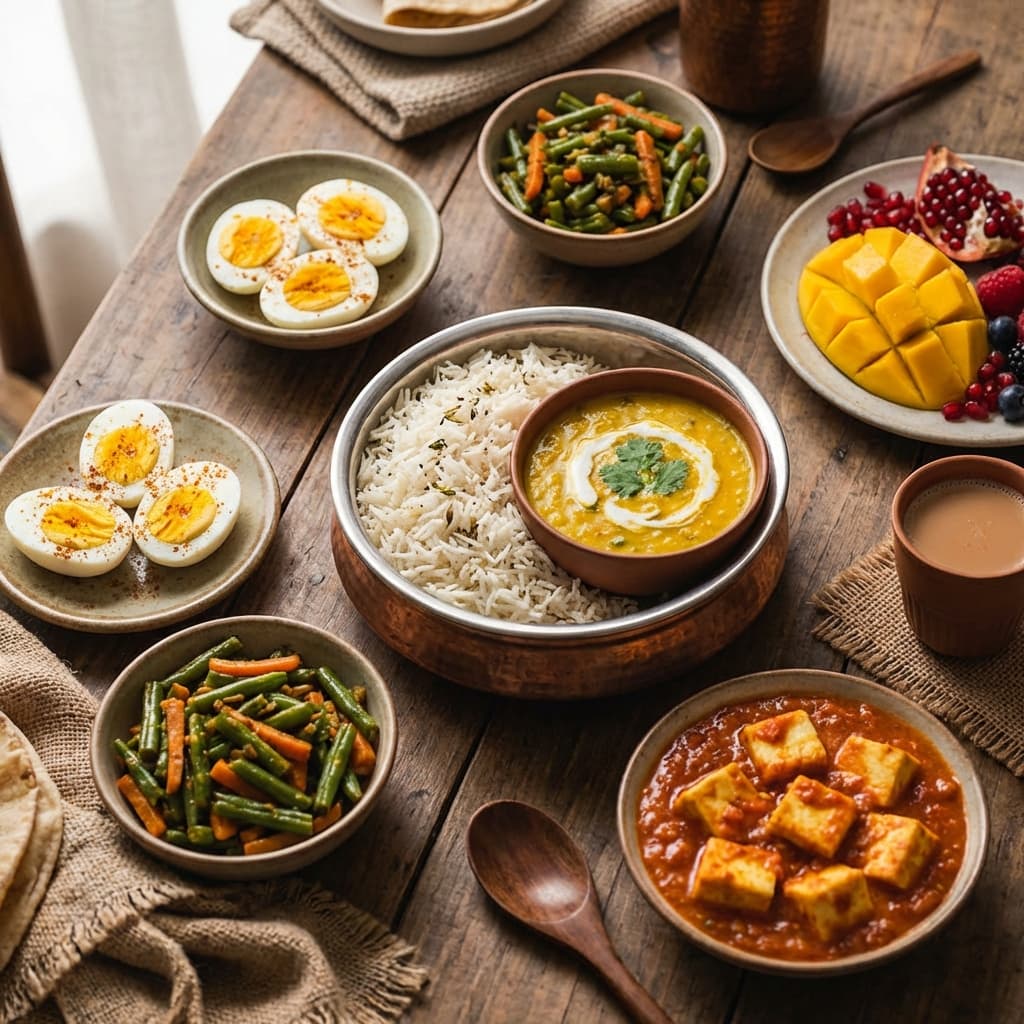
Healthy food background
MODERATE ⚠️in the MorningLast Updated: 1/12/2026

Can I Eat Roti in the Morning?

Eating roti in the morning can be a nutritious and convenient option, especially when made from whole grains like wheat, millet, or sorghum. It provides sustained energy release, thanks to its complex carbohydrates, and contributes to your daily fiber intake. However, consider the portion size, accompanying dishes, and your individual health needs, particularly if you have diabetes or are aiming for weight loss. Opting for rotis made from lower glycemic index grains and pairing them with protein and healthy fats can optimize its benefits for morning consumption.

Key Insight

The type of flour used to make roti significantly impacts its nutritional profile and glycemic index. Whole wheat, millet (bajra, ragi), and sorghum (jowar) flours offer a superior nutrient profile compared to refined wheat flour (maida), with a slower release of glucose into the bloodstream.

The Science Behind Roti

Roti, a staple flatbread in many cultures, is primarily composed of carbohydrates but also contains protein, fiber, vitamins, and minerals depending on the flour used. A typical 6-inch whole wheat roti (approximately 30 grams) contains around 70-80 calories, with approximately 15g of carbohydrates, 3g of protein, 1g of fat, and 2g of fiber.

**Macronutrients:** Carbohydrates are the dominant macronutrient, providing the body with its primary source of energy. The complex carbohydrates in whole wheat roti are broken down more slowly than simple sugars, leading to a gradual rise in blood sugar levels. The protein content, while not substantial, contributes to overall protein intake and supports muscle maintenance and repair. The fat content is generally low, with most of it being unsaturated fats.

**Micronutrients:** Whole wheat roti is a source of several important micronutrients, including B vitamins (thiamin, riboflavin, niacin), iron, magnesium, and selenium. B vitamins play a crucial role in energy metabolism, while iron is essential for oxygen transport. Magnesium is involved in numerous enzymatic reactions, and selenium acts as an antioxidant. The specific micronutrient profile varies depending on the type of flour used. For instance, millet rotis are often richer in iron and calcium than wheat rotis.

**Glycemic Index (GI):** The GI of roti varies significantly based on the type of flour used and the cooking method. Refined wheat flour rotis have a higher GI (around 70) compared to whole wheat (GI around 55) or millet rotis (GI can range from 40-50, depending on the millet). This means that refined flour rotis cause a faster and more significant spike in blood sugar levels. Nutrition research indicates that consuming foods with a lower GI can improve blood sugar control, reduce the risk of type 2 diabetes, and promote weight management.

**Digestion Speed:** The fiber content of roti contributes to slower digestion and increased satiety. Fiber adds bulk to the stool, promoting healthy bowel movements and preventing constipation. Clinical studies show that diets rich in fiber are associated with a lower risk of cardiovascular disease and certain types of cancer.

**Metabolic Impact:** The metabolic impact of roti depends on the overall dietary context and individual metabolic health. Consuming roti as part of a balanced meal with protein, healthy fats, and vegetables can mitigate the glycemic impact and promote stable blood sugar levels. However, overconsumption of roti, especially those made from refined flour, can contribute to insulin resistance and weight gain, particularly in individuals with pre-existing metabolic conditions.

🌍

Global & Cultural Insights

Flatbreads have been a staple food in various cultures for millennia, with evidence suggesting their consumption dates back to ancient civilizations in the Middle East and Mesopotamia. Unleavened flatbreads, similar to roti, were a primary source of carbohydrates in these early diets. Different cultures have their own unique variations, using different flours and cooking methods. For example, tortillas are a staple in Mexican cuisine, while lavash is popular in the Middle East. The global popularity of flatbreads underscores their versatility, affordability, and nutritional value. In India, roti holds a central place in culinary traditions and daily meals. It is more than just a food; it's a symbol of nourishment, family, and cultural identity. Ayurvedic principles classify wheat as a warming food, balancing vata and kapha doshas when consumed in moderation. Different regions of India boast unique roti variations. Phulka, a light and puffed roti cooked over an open flame, is a common household staple. Tandoori roti, baked in a clay oven (tandoor), offers a distinct smoky flavor. Millet rotis, such as bajra roti and jowar roti, are popular in certain regions, particularly during winter months, known for their warming properties and high nutrient content. Rice, while also a dietary staple, often complements roti in Indian cuisine, with each grain holding its unique place in meals and traditions. The preference between roti and rice can vary regionally and among individuals.

Who Should Eat Roti?

For People with Diabetes/Insulin Resistance

Recommended

Opt for rotis made from low-GI flours like millet (bajra, ragi), sorghum (jowar), or a combination of flours. Pair your roti with protein (dal, yogurt, eggs) and fiber-rich vegetables to slow down glucose absorption. Portion control is crucial; limit yourself to one or two small rotis per meal.

Caution

Avoid rotis made from refined wheat flour (maida). Monitor your blood sugar levels after consuming roti to assess your individual response. Be mindful of hidden carbohydrates in accompanying dishes like sugary sauces or starchy curries. Aim for roti with a GI below 55.

For Weight Loss & Metabolism

Recommended

Choose whole grain rotis over refined flour versions for increased fiber and satiety. Focus on smaller portions and balance your meal with lean protein and plenty of vegetables. Consider adding a source of healthy fats (e.g., avocado, nuts) to further enhance satiety and regulate blood sugar levels.

Caution

Avoid overeating roti, as it can contribute to calorie surplus if not balanced with sufficient physical activity. Be wary of consuming roti with high-calorie accompaniments like ghee-laden curries or sugary desserts. Focus on calorie density - vegetables fill you up without adding excessive calories, whereas too much roti can easily add up.

For Athletes & Muscle Gain

Recommended

Roti can be a good source of carbohydrates to fuel workouts and replenish glycogen stores post-exercise. Whole wheat roti provides sustained energy release, making it suitable for longer duration activities. Pair it with protein sources like chicken, fish, or lentils to support muscle repair and growth. Consider adding a small amount of healthy fats for enhanced energy and nutrient absorption.

Caution

Avoid consuming large portions of roti immediately before intense exercise, as it may cause digestive discomfort. Time your roti consumption strategically, opting for easily digestible carbohydrates closer to your workout. Be mindful of potential gluten sensitivities that could impair nutrient absorption.

For Heart Health & Cholesterol

Recommended

Choose whole grain rotis over refined flour versions for their fiber content, which can help lower cholesterol levels. Limit the use of saturated fats like ghee or butter when cooking roti. Pair it with heart-healthy vegetables and lean protein sources. Consider adding flaxseeds or chia seeds to your roti dough for an extra boost of omega-3 fatty acids.

Caution

Be mindful of the sodium content of accompanying dishes, as excessive sodium intake can raise blood pressure. Avoid deep-fried or heavily processed roti varieties. Limit roti consumption if you have a history of cardiovascular disease and monitor your lipid profile regularly.

For Digestive Health (Gut)

Recommended

Whole wheat roti provides fiber, which promotes healthy bowel movements and prevents constipation. Consider adding a small amount of psyllium husk or flaxseed meal to your roti dough for an extra boost of fiber. Pair roti with probiotic-rich foods like yogurt or kefir to support a healthy gut microbiome. Ensure adequate hydration to aid in digestion.

Caution

Some individuals may experience bloating or gas after consuming roti, particularly if they have gluten sensitivity or irritable bowel syndrome (IBS). If you experience digestive discomfort, try experimenting with different types of flours or reducing your portion size. Avoid overeating roti, as it can contribute to digestive sluggishness.

Timing Your Nutrition

Best Time

The best time to consume roti depends on your individual activity levels and dietary goals. For most people, consuming roti earlier in the day, like for breakfast or lunch, is preferable. This allows your body ample time to metabolize the carbohydrates throughout the day. Consuming roti for breakfast can provide sustained energy release, helping you stay focused and productive. However, pairing it with protein and healthy fats is essential to avoid a rapid blood sugar spike.

⚠️

Avoid When

Avoid consuming large portions of roti late at night, especially if you are sedentary. The carbohydrates may not be fully utilized for energy and could be stored as fat. Eating roti close to bedtime can also interfere with sleep for some individuals due to digestive processes. If you must eat roti at night, opt for a smaller portion made from whole grains and pair it with a light, protein-rich side dish.

🍽️

Pair With

To optimize the benefits of roti and minimize its glycemic impact, pair it with protein-rich foods (dal, legumes, eggs, yogurt, lean meats), healthy fats (avocado, nuts, seeds, olive oil), and fiber-rich vegetables (leafy greens, non-starchy vegetables). This combination slows down glucose absorption, promotes satiety, and provides a more balanced nutritional profile. For example, eating roti with dal and a side of mixed vegetables is a much healthier option than eating roti with a sugary curry or a sweet dessert.

Portion Control

Ideal Serving

The ideal portion size for roti depends on individual factors such as activity level, metabolic health, and dietary goals. A general guideline is 1-2 rotis (approximately 30-60 grams) per meal. If you are active or have a higher carbohydrate requirement, you may be able to consume a slightly larger portion. However, it's crucial to balance your roti intake with other nutrient-dense foods.

Max Per Day

The maximum safe limit for roti consumption varies depending on individual tolerance and dietary needs. As a general rule, avoid exceeding 3-4 rotis per day, especially if you are sedentary or have diabetes. Overconsumption of roti, particularly those made from refined flour, can contribute to weight gain and blood sugar imbalances. Monitor your individual response and adjust your portion size accordingly.

Frequency

Roti can be consumed daily as part of a balanced diet. However, it's important to prioritize variety and incorporate other sources of carbohydrates, such as vegetables, fruits, and whole grains, into your meals. Varying your carbohydrate sources ensures you are getting a wide range of nutrients and reduces the risk of developing sensitivities to specific foods.

Common Myth

"Roti is fattening and should be completely avoided for weight loss."

Not quite true
The Reality

This is a misconception. Roti, especially whole wheat or millet varieties, is not inherently fattening. Weight gain is a result of consuming more calories than you burn. Roti can be a part of a healthy weight loss plan when consumed in moderation and as part of a balanced diet. It provides complex carbohydrates and fiber, which can promote satiety and prevent overeating. The key is to control portion sizes, choose whole grain options, and pair roti with lean protein, healthy fats, and plenty of vegetables.

Fact Checked

💡 Expert Tip

"To enhance the nutritional value and digestibility of roti, try sprouting the grains before grinding them into flour. Sprouting increases the bioavailability of nutrients and reduces the antinutrient content, making the roti easier to digest and more nutrient-dense. This is a pro-level biohacking tip for maximizing nutrient absorption from your roti."

Common Questions

Does Roti cause weight gain?

Roti, in itself, doesn't directly cause weight gain. Weight gain occurs when you consume more calories than you burn, creating a calorie surplus. Overeating any food, including roti, can contribute to weight gain. If you are eating roti in excess, particularly those made from refined flour, it can contribute to a calorie surplus. Furthermore, the high glycemic index of refined flour roti can lead to rapid spikes in blood sugar, followed by crashes, which can trigger cravings and overeating. To manage your weight while consuming roti, focus on portion control, choose whole grain varieties, and balance your meals with protein, healthy fats, and fiber.

Can I eat Roti on an empty stomach?

Eating roti on an empty stomach is generally not recommended, particularly if you are sensitive to blood sugar fluctuations. Consuming roti on an empty stomach can lead to a rapid spike in blood sugar levels, followed by a crash, which can leave you feeling tired and hungry. Furthermore, the carbohydrates in roti can stimulate the release of insulin, which can potentially lead to insulin resistance over time if done frequently. It's best to pair roti with protein and healthy fats to slow down glucose absorption and promote stable blood sugar levels. This will provide a more sustained energy release and prevent the negative effects of a rapid blood sugar spike.

How does Roti affect sleep?

The effect of roti on sleep depends on the timing and portion size of your consumption. Eating a large portion of roti close to bedtime can interfere with sleep for some individuals due to digestive processes. The body needs to work to digest the carbohydrates, which can raise body temperature and make it harder to fall asleep. Furthermore, the carbohydrates in roti can affect levels of serotonin and melatonin, hormones that regulate sleep. Consuming a smaller portion of whole grain roti earlier in the evening, paired with protein, may not significantly impact sleep. However, it's best to avoid large, carbohydrate-heavy meals close to bedtime for optimal sleep quality.

Is Roti good for skin/hair?

Roti, particularly those made from whole grains, can contribute to healthy skin and hair due to their micronutrient content. Whole wheat roti contains B vitamins, iron, and selenium, which play a role in cell growth, repair, and protection. B vitamins are essential for healthy skin and hair follicles. Iron is crucial for oxygen transport to the skin and hair, promoting growth and vitality. Selenium acts as an antioxidant, protecting cells from damage caused by free radicals. While roti alone is not a magic bullet for skin and hair health, incorporating it into a balanced diet rich in other essential nutrients can contribute to overall well-being and appearance.

Need a Personalized Diet Plan?

Generalized advice is good, but your body is unique. Upload your recent health report and get AI-powered nutrition guidance tailored specifically to your bloodwork.

Get My Personalized Plan

What Should You Do Next?

Analyze Your Report

Upload your lab PDF to get a full AI breakdown instantly.

Upload PDF

Food Decisions

Confused about what to eat? Check our food guide.

Food Guide

Start Health Journey

Create a personalized profile to track your progress.

Get Started