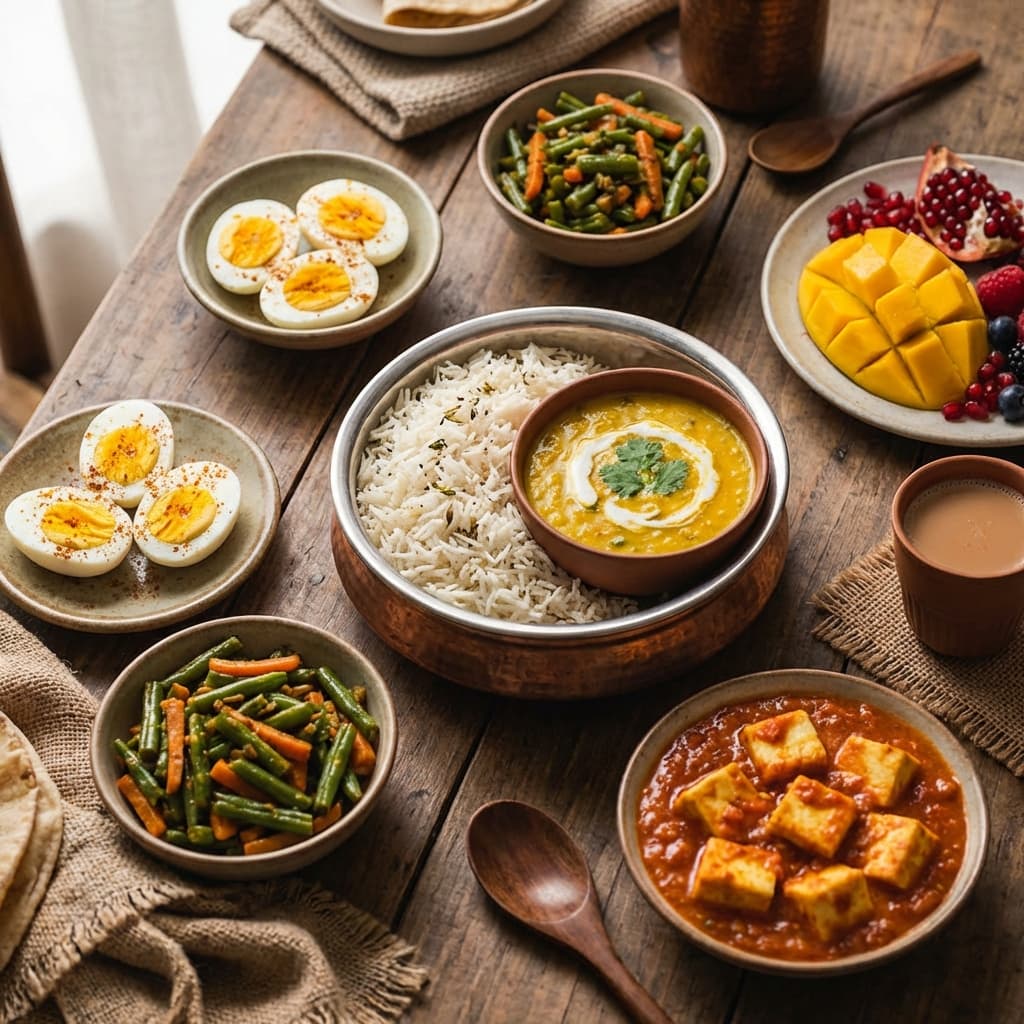
Healthy food background
MODERATE ⚠️Before WorkoutLast Updated: 1/12/2026

Can I Eat Roti Before Workout?

Eating roti before a workout can be beneficial, providing a source of sustained energy due to its carbohydrate content. However, it's crucial to consider the type of flour used, the portion size, and the timing relative to your workout. Whole wheat roti offers complex carbohydrates that are digested slower, leading to a more gradual release of energy, which is ideal for endurance activities. Avoid overconsumption right before exercise to prevent digestive discomfort.

Key Insight

The glycemic load of roti can be significantly altered by the addition of fats like ghee or butter, slowing down glucose absorption and creating a more stable energy source.

The Science Behind Roti

Roti, typically made from whole wheat flour (atta), is a staple carbohydrate source in many diets. A single roti (approximately 6 inches in diameter, weighing around 30g) typically contains 70-100 calories, depending on thickness and ingredients. Macronutrient breakdown is predominantly carbohydrates (around 15-20g), with a smaller amount of protein (2-3g) and minimal fat (less than 1g, unless oil or ghee is added).

The carbohydrate content is primarily in the form of starch, a complex carbohydrate that is broken down into glucose for energy. The Glycemic Index (GI) of roti varies depending on the type of flour and processing methods. Whole wheat roti generally has a GI between 50-65, considered moderate, meaning it raises blood glucose levels at a moderate pace. However, the Glycemic Load (GL), which considers portion size, is a more useful metric. A single roti has a GL of around 10-15, making it a manageable source of carbohydrates. Nutrition research indicates that consuming low to moderate GI and GL foods before exercise can improve endurance performance.

Roti also contains micronutrients, although in relatively small amounts. It provides some iron (about 2-3% of the daily recommended intake per roti), essential for oxygen transport. It also contains B vitamins, particularly thiamin and niacin, which are important for energy metabolism. Whole wheat atta contains fiber (2-3g per roti), which slows down digestion, promotes satiety, and contributes to gut health. Clinical studies show that adequate fiber intake is associated with improved blood sugar control and reduced risk of cardiovascular disease.

The digestion speed of roti depends on several factors, including the type of flour, cooking method, and the presence of other foods in the meal. Whole wheat roti digests slower than roti made from refined flour due to its higher fiber content. The metabolic impact of roti consumption is primarily related to its carbohydrate content. The body breaks down the starch into glucose, which is then used for energy or stored as glycogen in the liver and muscles. The insulin response to roti is moderate, and it's crucial for individuals with diabetes to monitor their blood sugar levels after consumption. Nutrition research highlights that pairing roti with protein and healthy fats can help stabilize blood sugar levels.

The phytic acid content in whole wheat can bind to certain minerals, potentially reducing their absorption. However, soaking or fermenting the flour before making roti can reduce phytic acid levels and improve mineral bioavailability. Clinical studies have also shown that the method of cooking can influence the nutrient content of the roti. For example, cooking on a direct flame (phulka) may result in some loss of certain vitamins. Overall, roti is a valuable source of carbohydrates, fiber, and some micronutrients, making it a suitable food choice before a workout when consumed in moderation and with attention to portion size and timing.

🌍

Global & Cultural Insights

Globally, flatbreads similar to roti exist in numerous cultures, often serving as a staple food. Tortillas in Mexico, injera in Ethiopia, and lavash in the Middle East share similarities with roti in terms of preparation and use as an accompaniment to meals. Flatbreads have historically been a convenient and affordable source of carbohydrates for various populations. In India, roti holds a significant cultural and culinary position. It's a daily staple in many households and is prepared in various forms, including phulka, tandoori roti, and missi roti. In Ayurveda, roti made from whole wheat is considered a nourishing and grounding food, providing energy and promoting overall well-being. The method of preparation is also emphasized, with fresh, homemade roti being preferred over store-bought varieties. Different flours like bajra, jowar, and ragi are used depending on regional availability and dietary needs. Traditionally, roti is eaten with dal, vegetables, and yogurt, creating a balanced and nutritious meal. The act of making and sharing roti is often a symbol of family and togetherness in Indian culture.

Who Should Eat Roti?

For People with Diabetes/Insulin Resistance

Recommended

Choose whole wheat roti over roti made from refined flour. Monitor blood glucose levels after consumption. Pair roti with protein and healthy fats (e.g., dal, vegetables with healthy oils) to slow down glucose absorption. Consider adding fenugreek seeds (methi) to the dough, which has been shown to improve insulin sensitivity.

Caution

Avoid eating large portions of roti at once. Be mindful of added fats like ghee, which can increase calorie intake. Limit roti made from processed flours. The GI of roti can be unpredictable; consistent monitoring is crucial. Aim for smaller, more frequent meals including roti to maintain stable glucose levels.

For Weight Loss & Metabolism

Recommended

Roti can be part of a weight loss diet when consumed in moderation. Opt for whole wheat roti for its higher fiber content, which promotes satiety. Consider replacing some roti with vegetables or protein sources to reduce overall calorie intake. Focus on portion control and mindful eating.

Caution

Avoid excessive consumption of roti, especially when combined with high-calorie curries or gravies. Be wary of added fats like ghee or butter, which can significantly increase the caloric density. Avoid eating roti late at night, as the body's metabolic rate slows down during sleep. Timing traps include eating large quantities right before sedentary activities.

For Athletes & Muscle Gain

Recommended

Roti provides a source of carbohydrates for sustained energy during workouts. Consume roti 1-2 hours before exercise to allow for digestion and glycogen storage. Pair roti with a source of protein (e.g., chicken, lentils) to support muscle repair and growth. Roti can also be consumed after a workout to replenish glycogen stores.

Caution

Avoid eating roti immediately before exercise to prevent digestive discomfort. Be mindful of the fat content in roti, especially if using ghee or butter. Pre-workout, opt for easily digestible carbohydrates if you are short on time. Be careful of the amount of fiber intake immediately before intense activity, as this may cause digestive upset.

For Heart Health & Cholesterol

Recommended

Whole wheat roti is a good source of fiber, which can help lower LDL cholesterol levels. Choose whole wheat roti over roti made from refined flour. Minimize the use of saturated fats like ghee or butter. Consider adding flaxseeds or oats to the dough to increase fiber and omega-3 fatty acid content.

Caution

Be mindful of the sodium content in roti, especially if using store-bought flour. Limit the use of added salt. Avoid frying roti, as this increases fat intake. Ensure a balanced diet rich in fruits, vegetables, and lean protein sources. Too much saturated fat can raise cholesterol levels, counteracting any benefit gained.

For Digestive Health (Gut)

Recommended

Whole wheat roti is a good source of fiber, which promotes healthy bowel movements and supports gut health. Consume roti with plenty of water to aid digestion. Consider adding probiotics (e.g., yogurt) to your diet to further support gut health. Fermenting the dough before making roti can also improve digestibility.

Caution

Some individuals may experience bloating or gas after consuming roti, especially if they are not used to a high-fiber diet. Introduce roti gradually into your diet. Avoid eating large portions of roti at once. If you have a gluten sensitivity, consider gluten-free roti alternatives made from jowar or bajra. Watch for signs of gluten intolerance if consuming wheat roti.

Timing Your Nutrition

Best Time

The best time to consume roti, especially before a workout, is 1-2 hours prior. This allows sufficient time for digestion and for the carbohydrates to be converted into glycogen, providing sustained energy. This also minimizes the risk of digestive discomfort during exercise. The exact timing depends on individual digestion rates and workout intensity.

⚠️

Avoid When

Avoid eating large quantities of roti immediately before bed or right before an intense workout. Consuming roti right before bed can lead to increased insulin levels and potential fat storage, as the body's activity level decreases during sleep. Eating it right before high intensity exercise can lead to sluggishness and digestive issues.

🍽️

Pair With

Pair roti with protein-rich foods like dal (lentils), yogurt, or lean meats and healthy fats like ghee (in moderation) or avocado. This combination helps slow down glucose absorption, stabilizes blood sugar levels, and promotes satiety. For pre-workout, pairing it with a small amount of protein, like a spoonful of peanut butter, is a good strategy. Avoid sugary drinks with roti.

Portion Control

Ideal Serving

1-2 rotis (approximately 30-60g of flour) per meal, especially before a workout. This provides a moderate amount of carbohydrates without causing digestive discomfort. Adjust the portion size based on your individual caloric needs and activity level.

Max Per Day

3-4 rotis per day (approximately 90-120g of flour) for most individuals. Athletes or those with high energy expenditure may require more, but it's essential to balance roti with other nutrient-dense foods. Exceeding this limit can lead to excess calorie intake and potential weight gain.

Frequency

Daily consumption of roti is acceptable for most people, especially as a staple carbohydrate source. However, it's essential to vary your carbohydrate sources to ensure you are getting a wide range of nutrients. Consider alternating roti with other grains like rice, quinoa, or oats.

Common Myth

"Roti is a fattening food that should be avoided for weight loss."

Not quite true
The Reality

Roti is not inherently fattening. It's a source of complex carbohydrates that can provide sustained energy. Weight gain is determined by overall calorie intake, not by a single food. Roti can be part of a healthy weight loss diet when consumed in moderation and as part of a balanced meal.

Fact Checked

💡 Expert Tip

"To maximize the benefits of roti, try making it with sprouted wheat flour. Sprouting increases the bioavailability of nutrients and reduces phytic acid levels, improving mineral absorption. This also makes the roti easier to digest."

Common Questions

Does Roti cause weight gain?

Roti itself does not directly cause weight gain. Weight gain is primarily determined by whether you consume more calories than you expend. If you consume roti in moderation as part of a balanced diet and maintain a calorie deficit, it will not lead to weight gain. However, excessive consumption of roti, especially when combined with high-calorie gravies or added fats, can contribute to a calorie surplus and potentially lead to weight gain. Insulin sensitivity and carbohydrate tolerance also play a role, with some individuals being more prone to weight gain from carbohydrates than others.

Can I eat Roti on an empty stomach?

Eating roti on an empty stomach can lead to a rapid increase in blood sugar levels, especially if it's made from refined flour. This can trigger a significant insulin response, potentially leading to an energy crash later on. Individuals with diabetes or insulin resistance should be particularly cautious. While it's not inherently harmful for everyone, it's generally better to consume roti as part of a meal with protein and healthy fats to stabilize blood sugar levels and promote sustained energy. Consuming roti on empty stomach may also exacerbate acidity in some individuals.

How does Roti affect sleep?

The effect of roti on sleep depends on the timing and quantity consumed. Eating a large portion of roti close to bedtime can disrupt sleep due to the digestive process and potential blood sugar fluctuations. A moderate amount of roti consumed a few hours before bed may promote sleep by increasing serotonin levels, a hormone involved in regulating sleep. However, individual responses vary, and some people may experience bloating or discomfort that interferes with sleep.

Is Roti good for skin/hair?

Roti contains some nutrients that can contribute to skin and hair health. Whole wheat roti provides B vitamins, which are essential for cell growth and repair. Iron, also present in roti, is important for oxygen transport to the skin and hair follicles. However, the amounts of these nutrients in roti are relatively small, and a balanced diet with a variety of fruits, vegetables, and protein sources is crucial for optimal skin and hair health.

Need a Personalized Diet Plan?

Generalized advice is good, but your body is unique. Upload your recent health report and get AI-powered nutrition guidance tailored specifically to your bloodwork.

Get My Personalized Plan

What Should You Do Next?

Analyze Your Report

Upload your lab PDF to get a full AI breakdown instantly.

Upload PDF

Food Decisions

Confused about what to eat? Check our food guide.

Food Guide

Start Health Journey

Create a personalized profile to track your progress.

Get Started