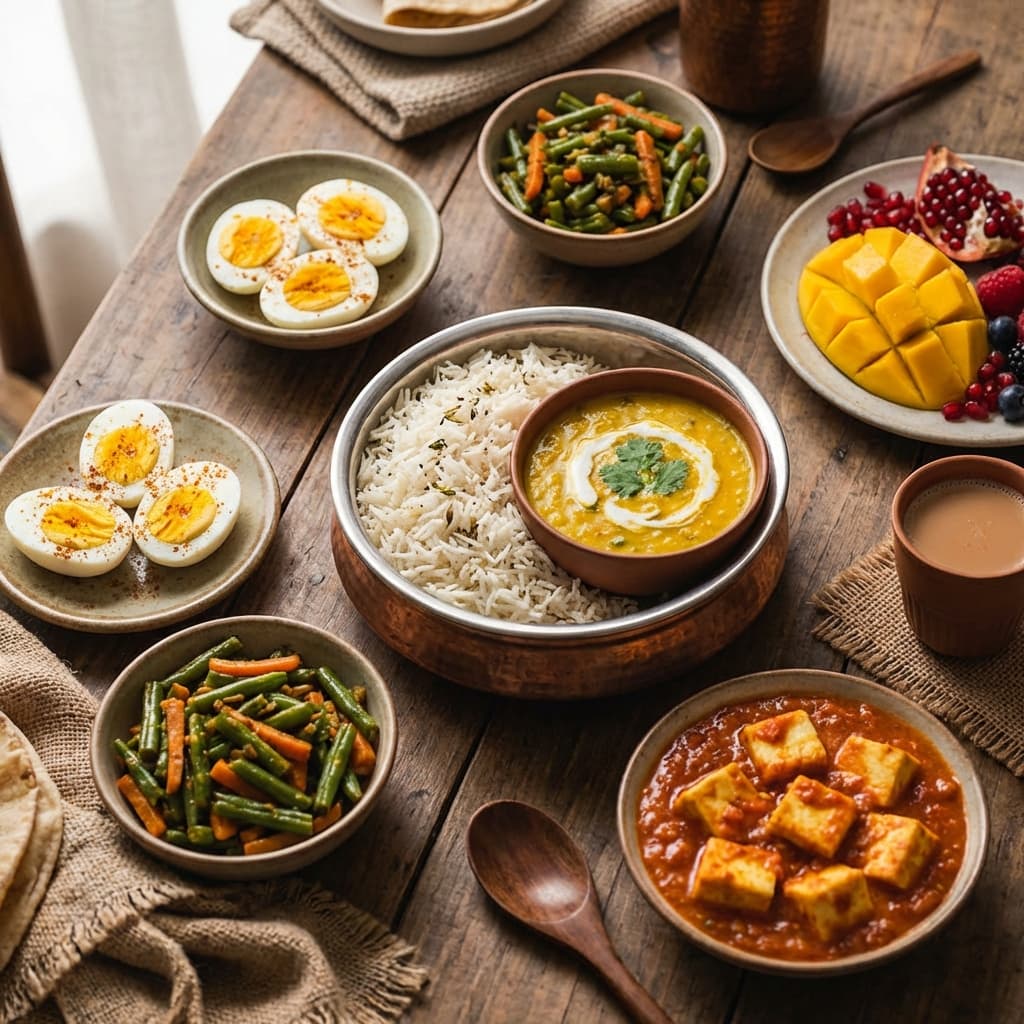
Healthy food background
MODERATE ⚠️After WorkoutLast Updated: 1/12/2026

Can I Eat Roti After Workout?

Roti can be a decent post-workout option due to its carbohydrate content, which helps replenish glycogen stores depleted during exercise. However, its relatively low protein and micronutrient profile compared to other whole grains and protein sources means it shouldn't be the *only* thing you consume after a workout. Combining roti with protein-rich foods like lentils, yogurt, or chicken will significantly enhance muscle recovery and overall nutritional benefit. The type of flour used also matters; whole wheat roti offers more sustained energy than refined flour versions.

Key Insight

The glycemic index (GI) of roti can vary significantly depending on the type of wheat used and the cooking method. Overcooked roti, or roti made with finely milled flour, can have a surprisingly high GI, potentially negating some of the benefits of a post-workout carb source by causing a rapid insulin spike.

The Science Behind Roti

Roti, a staple in many South Asian diets, is primarily composed of carbohydrates, derived from wheat flour. The exact nutritional composition varies depending on whether it's made from whole wheat (atta) or refined flour (maida). A typical 6-inch whole wheat roti (approximately 30 grams) contains roughly 70-80 calories, 15-17 grams of carbohydrates, 2-3 grams of protein, and less than 1 gram of fat. The fiber content is crucial; whole wheat roti provides around 2-3 grams of dietary fiber per roti, contributing to satiety and aiding digestion.

From a micronutrient perspective, whole wheat roti offers some essential vitamins and minerals. It's a source of B vitamins, including thiamine, riboflavin, and niacin, which play critical roles in energy metabolism. It also contains minerals like iron, magnesium, and phosphorus, although the bioavailability of iron can be limited due to the presence of phytates, naturally occurring compounds that can inhibit mineral absorption. Nutrition research indicates that soaking whole grains before cooking can reduce phytate levels, potentially improving iron absorption.

The glycemic index (GI) of roti is a key consideration, especially in the context of post-workout nutrition and blood sugar control. The GI of whole wheat roti typically ranges from 50 to 60, classifying it as a low to medium GI food. However, the GI can be influenced by factors like the type of wheat, the fineness of the flour, and the cooking time. Finely ground flour tends to have a higher GI as the starch is more readily accessible for digestion. Overcooking can also increase the GI by breaking down complex carbohydrates into simpler sugars. Clinical studies show that foods with a lower GI lead to a more gradual rise in blood sugar levels, promoting sustained energy release and preventing rapid insulin spikes.

Digestion speed is another important factor. Due to its fiber content, whole wheat roti digests relatively slowly, providing a sustained release of energy. This is beneficial for post-workout recovery as it helps to replenish glycogen stores gradually. The slower digestion also contributes to a feeling of fullness, which can aid in weight management. However, for individuals with digestive sensitivities, the fiber content can sometimes cause bloating or gas. The metabolic impact of roti depends largely on the portion size and the accompanying foods. Consuming roti with protein and healthy fats can help to slow down the absorption of carbohydrates, further stabilizing blood sugar levels and promoting a more balanced metabolic response.

🌍

Global & Cultural Insights

Roti, a flatbread made from flour and water, holds significant cultural importance across the globe. Flatbreads, in various forms, have been a staple food in many cultures for millennia, dating back to ancient civilizations in the Middle East and Asia. They are easy to prepare, versatile, and can be adapted to suit different regional tastes and ingredients. From tortillas in Mexico to injera in Ethiopia and lavash in Armenia, flatbreads represent a fundamental part of culinary heritage. In the Indian context, roti (also known as chapati) is more than just a food; it's a symbol of home, family, and tradition. It's a daily staple in most Indian households, served with a variety of curries, vegetables, and lentils. The process of making roti is often a shared family activity, passed down through generations. Ayurvedic principles emphasize the importance of freshly prepared food, and roti is typically made fresh for each meal. Different types of flours are used to make roti, including whole wheat (atta), millet (bajra), and sorghum (jowar), each with its own unique flavor and nutritional profile. Roti variations like paratha (layered flatbread) and naan (leavened flatbread cooked in a tandoor) offer different culinary experiences, reflecting the diversity of Indian cuisine. Rice and Roti are often served alongside each other in Indian Cuisine, offering a flexible mix of textures.

Who Should Eat Roti?

For People with Diabetes/Insulin Resistance

Recommended

Choose whole wheat roti over refined flour roti. Monitor blood glucose levels after consuming roti to understand individual responses. Pair roti with protein and fiber-rich foods like lentils, vegetables, or yogurt to slow down glucose absorption. Consider adding a small amount of healthy fat, such as ghee, which can also help to lower the glycemic impact.

Caution

Avoid overcooked roti or roti made with finely milled flour, as these have a higher GI. Limit portion sizes to 1-2 rotis per meal. Be mindful of carbohydrate counting and adjust insulin dosage accordingly, if applicable.

For Weight Loss & Metabolism

Recommended

Roti can be included in a weight loss diet in moderation. Opt for whole wheat roti due to its higher fiber content, which promotes satiety and helps control appetite. Focus on portion control and balance your meals with plenty of vegetables and lean protein sources to create a calorie deficit.

Caution

Avoid relying solely on roti for meals, as it lacks essential nutrients like protein and healthy fats. Be mindful of the calorie density; even though roti is relatively low in calories per unit, the calories can add up quickly if you consume multiple rotis per meal. Avoid eating roti late at night, as this may lead to less efficient calorie utilization during sleep.

For Athletes & Muscle Gain

Recommended

Roti can be a convenient post-workout carbohydrate source to replenish glycogen stores. However, prioritize combining roti with protein-rich foods to support muscle recovery and growth. Consider adding a side of lentils, chicken, or paneer to your post-workout meal. Consuming roti within 1-2 hours after exercise can help optimize glycogen replenishment.

Caution

Roti is not a complete protein source, so it should not be relied upon as the sole protein source for muscle repair. Avoid consuming roti immediately before a workout, as the fiber content may cause digestive discomfort during exercise. Ensure adequate hydration after consuming roti, as fiber absorbs water.

For Heart Health & Cholesterol

Recommended

Whole wheat roti is generally considered heart-healthy due to its fiber content, which can help lower LDL cholesterol levels. The B vitamins in roti also contribute to cardiovascular health. Choose whole wheat roti over refined flour versions, as refined grains have been linked to increased risk of heart disease.

Caution

Be mindful of the sodium content of any toppings or accompaniments you add to your roti, such as pickles or chutneys. Limit the use of excessive amounts of ghee or butter, as these can contribute to increased saturated fat intake. If you have high cholesterol, monitor your lipid profile regularly and consult with a healthcare professional or registered dietitian for personalized dietary advice.

For Digestive Health (Gut)

Recommended

The fiber in whole wheat roti promotes healthy digestion and can help prevent constipation. The insoluble fiber adds bulk to the stool, facilitating bowel movements. Consider soaking the wheat flour before making the roti to improve digestibility and reduce the risk of bloating.

Caution

Some individuals may experience bloating or gas from the fiber in roti, especially if they are not accustomed to a high-fiber diet. Introduce roti gradually into your diet and drink plenty of water to aid digestion. If you have irritable bowel syndrome (IBS) or other digestive disorders, consult with a healthcare professional to determine the appropriate amount of roti to consume.

Timing Your Nutrition

Best Time

The best time to eat roti is generally during the day, especially at lunch or an early dinner. This allows your body ample time to digest the carbohydrates and utilize the energy throughout the day. For athletes, consuming roti within 1-2 hours after a workout is ideal for replenishing glycogen stores.

⚠️

Avoid When

Avoid eating large portions of roti late at night, especially close to bedtime. Your metabolism slows down during sleep, and consuming a high-carbohydrate meal before bed may lead to weight gain and disrupted sleep. The insulin spike from the carbohydrates can also interfere with sleep quality.

🍽️

Pair With

Pair roti with protein and healthy fats to slow down carbohydrate absorption and stabilize blood sugar levels. Excellent pairings include lentils (dal), yogurt, vegetables cooked in healthy oils, or grilled chicken or fish. Adding a source of healthy fat, such as a small amount of ghee or avocado, can further enhance satiety and improve nutrient absorption.

Portion Control

Ideal Serving

For most individuals, 1-2 rotis (approximately 30-60 grams of whole wheat flour) per meal is a reasonable portion size. Adjust the portion size based on your individual calorie needs, activity level, and health goals.

Max Per Day

As a general guideline, try to limit your roti intake to no more than 3-4 rotis per day, especially if you are trying to lose weight or manage blood sugar levels. This limit should be adjusted based on the size of the roti and other carbohydrate sources in your diet.

Frequency

Roti can be consumed daily as part of a balanced diet. However, it's important to vary your grain sources and not rely solely on roti for your carbohydrate intake. Incorporate other healthy grains like quinoa, brown rice, and oats into your diet for a wider range of nutrients.

Common Myth

"Roti is just as bad as white bread because it's mostly carbs."

Not quite true
The Reality

While roti is primarily a carbohydrate source, whole wheat roti is significantly more nutritious than white bread. Whole wheat roti contains more fiber, vitamins, and minerals than white bread, which is often made from refined flour that has been stripped of many of its nutrients. The higher fiber content in whole wheat roti promotes satiety, slows down digestion, and helps regulate blood sugar levels, making it a healthier choice compared to white bread. Furthermore, many commercially available white breads contain added sugars and preservatives, which are not present in homemade roti.

Fact Checked

💡 Expert Tip

"Try adding a tablespoon of flaxseed meal to your whole wheat flour when making roti. Flaxseeds are a rich source of omega-3 fatty acids and fiber, which can further enhance the nutritional benefits of roti and promote heart health, digestive health, and skin health."

Common Questions

Does Roti cause weight gain?

Roti, like any food, can contribute to weight gain if consumed in excess and if it contributes to a calorie surplus (consuming more calories than you burn). Roti itself is not inherently fattening. Weight gain primarily occurs when you consistently consume more calories than your body needs, regardless of the source. Whole wheat roti, with its fiber content, can actually promote satiety and help control appetite. It's crucial to balance roti intake with other healthy foods and maintain an overall healthy lifestyle to prevent weight gain. Insulin resistance can also play a role; consistently high insulin levels, often due to a diet high in refined carbohydrates, can promote fat storage. Choosing whole grains and managing portion sizes can help mitigate this effect.

Can I eat Roti on an empty stomach?

Eating roti on an empty stomach is generally not recommended, especially if you are prone to acidity or have blood sugar control issues. Consuming carbohydrates on an empty stomach can lead to a rapid spike in blood sugar levels, triggering a significant insulin response. This can be followed by a rapid drop in blood sugar, leading to fatigue and cravings. For individuals with acidity, the carbohydrates in roti can stimulate stomach acid production, potentially exacerbating symptoms. It's generally better to consume roti as part of a balanced meal, along with protein and healthy fats, to slow down digestion and stabilize blood sugar levels.

How does Roti affect sleep?

Roti, particularly if consumed in large quantities close to bedtime, can potentially affect sleep quality. The carbohydrate content of roti can lead to an insulin spike, which may interfere with the production of sleep hormones like melatonin. Additionally, the digestive process itself can be disruptive if you eat a large meal shortly before going to bed. It's best to avoid eating roti late at night and to opt for lighter, more easily digestible meals in the evening to promote restful sleep. Eating a smaller portion and combining it with protein can minimize potential sleep disruptions.

Is Roti good for skin/hair?

Roti, especially whole wheat roti, can contribute to skin and hair health due to its micronutrient content. It contains B vitamins, such as biotin, which are essential for maintaining healthy hair and skin. The zinc in roti also plays a role in skin repair and wound healing. Additionally, the antioxidants in whole wheat can help protect skin cells from damage caused by free radicals. However, roti is not a primary source of nutrients specifically targeted for skin and hair health; a balanced diet with a variety of fruits, vegetables, and protein sources is essential for optimal skin and hair health.

Need a Personalized Diet Plan?

Generalized advice is good, but your body is unique. Upload your recent health report and get AI-powered nutrition guidance tailored specifically to your bloodwork.

Get My Personalized Plan

What Should You Do Next?

Analyze Your Report

Upload your lab PDF to get a full AI breakdown instantly.

Upload PDF

Food Decisions

Confused about what to eat? Check our food guide.

Food Guide

Start Health Journey

Create a personalized profile to track your progress.

Get Started