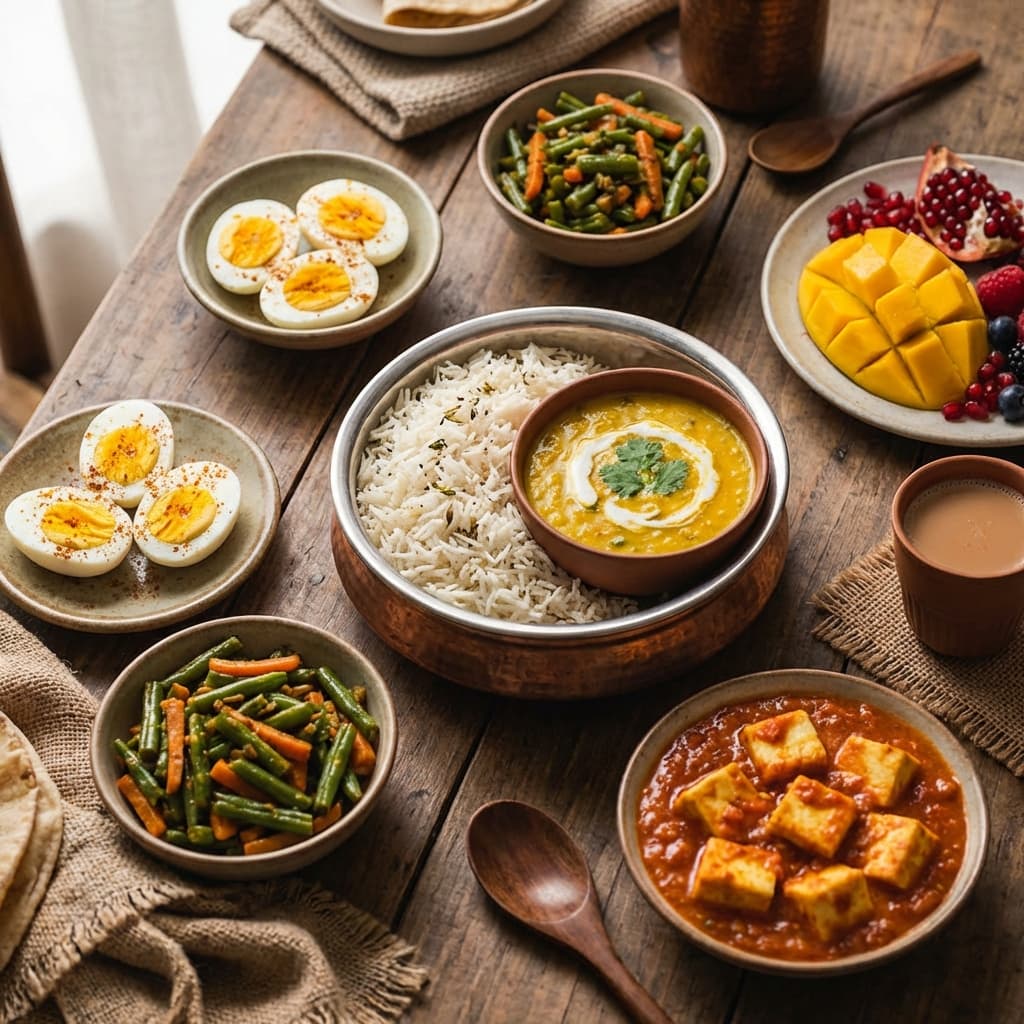
Healthy food background
MODERATE ⚠️for DinnerLast Updated: 1/12/2026

Can I Eat Rice for Dinner?

Eating rice for dinner can be perfectly acceptable, especially if you choose the right type and manage your portion sizes. Brown rice, with its lower glycemic index and higher fiber content, is generally a better choice than white rice. Consider your overall activity level and dietary needs when making your decision. For some, especially those with sedentary lifestyles or insulin resistance, smaller portions or alternative grains might be more beneficial in the evening.

Key Insight

Cooking and cooling rice before consumption can significantly lower its glycemic index, making it a more blood-sugar-friendly option. This process increases the amount of resistant starch, which acts like fiber in the digestive system.

The Science Behind Rice

Rice, a staple grain for billions, primarily provides carbohydrates, the body's main source of energy. However, the nutritional profile varies significantly depending on the type of rice. White rice, the most common variety, is largely composed of starch, with a glycemic index (GI) ranging from 64 to 70, depending on the variety and cooking method. This means it can cause a relatively rapid spike in blood sugar levels. A 100g serving of cooked white rice contains approximately 130 calories, 28g of carbohydrates, 0.3g of fiber, 2.7g of protein, and minimal fat.

Brown rice, on the other hand, retains the bran and germ layers, making it a more nutritious option. It has a lower GI, typically around 50-55, and a higher fiber content (around 1.8g per 100g cooked). Brown rice also provides more micronutrients, including magnesium, phosphorus, manganese, selenium, and B vitamins (thiamin, niacin, and vitamin B6). Clinical studies show that regular consumption of brown rice is linked to improved blood sugar control and a reduced risk of developing type 2 diabetes, likely due to its higher fiber content and slower digestion rate.

Rice also contains small amounts of protein, but it's not a complete protein source as it's low in lysine. Nutrition research indicates that combining rice with legumes (like lentils or beans) creates a complete protein profile. The digestion speed of rice depends on the type; white rice is digested relatively quickly, leading to a faster rise in blood sugar, while brown rice digests more slowly due to its higher fiber content. The metabolic impact of rice consumption also depends on the individual's insulin sensitivity and activity level. For those with insulin resistance, large portions of rice, especially white rice, can lead to elevated blood sugar levels and potentially contribute to weight gain. Parboiled rice (converted rice) often has a lower GI than regular white rice due to the steaming process which alters the starch structure.

Furthermore, studies have looked into the benefits of red rice which contains anthocyanins, a type of antioxidant known for its potential health benefits. Black rice is another variety that is rich in antioxidants and other nutrients. While generally a good source of energy, it's important to consider the type of rice and the overall dietary context to maximize its health benefits and minimize potential risks, especially in the evening.

Portion Control

Ideal Serving

½ cup (cooked) for those with diabetes or aiming for weight loss; 1 cup (cooked) for moderately active individuals; 1-1.5 cups (cooked) for athletes or those with high energy expenditure.

Max Per Day

2 cups (cooked) per day, spread across multiple meals, is generally considered the upper safe limit for most individuals. Exceeding this amount regularly can lead to excessive carbohydrate intake and potential weight gain.

Frequency

Daily consumption is acceptable as part of a balanced diet, but vary rice types and ensure adequate intake of other food groups. Consider alternating rice with other grains like quinoa, barley, or oats.

Common Myth

"Rice is a 'bad' carbohydrate and should be completely avoided for weight loss."

Not quite true
The Reality

Rice, like any food, isn't inherently 'good' or 'bad'. It's the quantity, type, and context that matter. While refined white rice can contribute to weight gain if consumed in excess, brown rice and other whole-grain varieties offer valuable nutrients and fiber. When consumed in moderation as part of a balanced diet, rice can be a healthy and sustainable source of energy, even during weight loss.

Fact Checked

💡 Expert Tip

"Try cooking a large batch of rice, especially brown rice, and cooling it in the refrigerator for at least 24 hours before reheating and consuming. This process increases the amount of resistant starch, which acts as a prebiotic, feeding beneficial gut bacteria and further lowering the glycemic impact of the rice."

Common Questions

Does Rice cause weight gain?

Rice itself doesn't inherently cause weight gain. Weight gain occurs when you consume more calories than you burn. If you're eating large portions of rice, especially white rice, on top of your regular calorie intake, you might be in a calorie surplus, leading to weight gain. The insulin response to rice can also play a role; frequent spikes in blood sugar can lead to insulin resistance over time, making it harder to lose weight. Managing portion sizes, choosing lower-GI options like brown rice, and balancing your diet with protein and fiber are key to preventing weight gain from rice consumption.

Can I eat Rice on an empty stomach?

Eating rice on an empty stomach can lead to a rapid spike in blood sugar levels, especially with white rice. This can cause a subsequent energy crash and potentially trigger cravings for more sugary foods. While not inherently harmful, it's generally better to consume rice as part of a balanced meal with protein and fiber to mitigate the insulin response and promote sustained energy release. For those prone to acidity, eating a moderate amount of rice on an empty stomach is usually well-tolerated compared to spicier foods.

How does Rice affect sleep?

The effect of rice on sleep depends on the type and timing of consumption. White rice has a high glycemic index, which can lead to fluctuations in blood sugar levels that disrupt sleep. Conversely, some studies suggest that white rice may promote sleep due to its potential to increase tryptophan levels, a precursor to melatonin, the sleep hormone. However, eating a large meal of rice close to bedtime can interfere with digestion and negatively impact sleep quality. Brown rice, with its slower digestion rate, is less likely to cause blood sugar fluctuations and might be a better option for dinner, but still consume it at least 2-3 hours before bed.

Is Rice good for skin/hair?

Rice contains several micronutrients that can contribute to skin and hair health. Brown rice is a good source of B vitamins, which are important for cell growth and repair, potentially promoting healthy skin and hair. Rice water, the starchy water left over after cooking rice, is a traditional remedy for skin and hair. It contains antioxidants and amino acids that may help protect against damage and improve skin texture and hair shine. However, more research is needed to confirm these benefits.

Is this right for your body?

Generic advice misses the full picture. See how this fits your specific health goals.

Check my compatibility

What Should You Do Next?

Analyze Your Report

Upload your lab PDF to get a full AI breakdown instantly.

Upload PDF

Food Decisions

Confused about what to eat? Check our food guide.

Food Guide

Start Health Journey

Create a personalized profile to track your progress.

Get Started

Health answers are generic. Your body is not.

Get personalized clarity