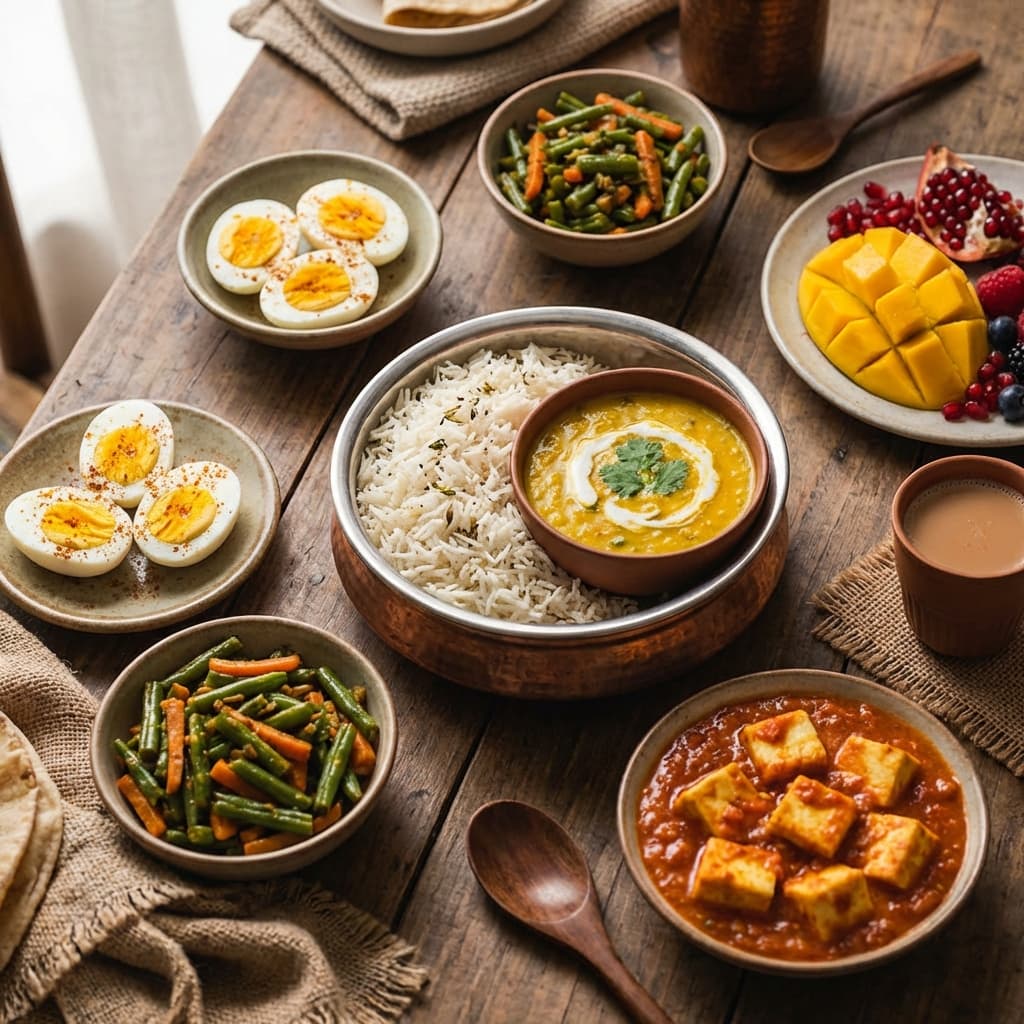
Healthy food background
MODERATE ⚠️for BreakfastLast Updated: 1/12/2026

Can I Eat Rice for Breakfast?

Eating rice for breakfast is generally acceptable, especially if you're aiming for a quick energy source. However, the type of rice and what you pair it with are crucial. Opt for brown rice or parboiled rice for sustained energy due to their higher fiber content. Avoid white rice in large quantities as it can lead to a rapid spike in blood sugar. Balance your rice breakfast with protein and healthy fats to mitigate these effects and promote satiety.

Key Insight

The glycemic index (GI) of rice can vary significantly based on factors like variety, processing method, and even cooking duration. Research shows that cooling cooked rice before consumption can further lower its GI, making it a healthier option, particularly for individuals managing blood sugar levels.

The Science Behind Rice

Rice, a staple grain for billions, offers a complex nutritional profile. Primarily, it's a carbohydrate source, providing energy through glucose. White rice, in its refined state, is almost pure starch, with a Glycemic Index (GI) typically ranging from 73-83. Clinical studies show that consuming high-GI foods like white rice can lead to rapid spikes in blood glucose and insulin levels, potentially contributing to insulin resistance over time. Brown rice, on the other hand, retains its bran and germ layers, significantly increasing its fiber content (around 3g per cup cooked) and lowering its GI to around 50-55. This slower digestion rate contributes to a more gradual and sustained release of energy.

Beyond carbohydrates, rice contains modest amounts of protein, typically around 4-5g per cup cooked. While not a complete protein source (lacking sufficient amounts of all essential amino acids), it can contribute to daily protein intake, especially when combined with other protein-rich foods. Rice also provides several essential micronutrients. Manganese, important for bone health and metabolism, is abundant in rice (around 88% of the DV in a cup of cooked brown rice). Magnesium, crucial for nerve function and blood sugar control, is also present. Rice, particularly brown rice, contains B vitamins such as niacin, thiamin, and folate, which play vital roles in energy production and cell function.

Nutrition research indicates that the method of cooking significantly affects the starch composition of rice. The amylose-to-amylopectin ratio in rice starches influences its GI. Rice varieties high in amylose tend to have a lower GI. Furthermore, cooking rice and then cooling it overnight leads to the formation of resistant starch, which is not digested in the small intestine. Instead, it ferments in the large intestine, acting as a prebiotic and promoting gut health. The rate of glucose absorption from white rice is considerably faster than from brown rice, leading to a more pronounced insulin response. This is why individuals with insulin resistance or diabetes are often advised to limit or avoid white rice, especially at breakfast when blood sugar control can be more challenging. Research has also indicated that parboiled rice has a lower GI compared to non-parboiled white rice due to changes in starch structure during the parboiling process. A cup of cooked rice typically contains between 200-250 calories, depending on the type. The metabolic impact of rice is heavily dependent on individual factors such as activity level, insulin sensitivity, and the overall dietary context.

Portion Control

Ideal Serving

For most individuals, ½ to 1 cup (100-200g cooked) of brown rice or parboiled rice is an ideal portion for breakfast. For white rice, limit to ½ cup cooked.

Max Per Day

Do not exceed 1.5 cups (300g cooked) of any type of rice for breakfast, especially if you have diabetes or insulin resistance.

Frequency

Consuming rice for breakfast a few times a week is generally acceptable if you choose healthier rice varieties and pair it with balanced nutrients. Daily consumption, especially of white rice, is not recommended without considering overall diet and activity levels.

Common Myth

"Rice is inherently unhealthy and should be avoided completely."

Not quite true
The Reality

This is a misconception. While excessive consumption of white rice can contribute to health problems, brown rice and parboiled rice offer significant nutritional benefits due to their higher fiber, vitamin, and mineral content. The key is to choose the right type of rice, practice portion control, and pair it with a balanced diet and active lifestyle.

Fact Checked

💡 Expert Tip

"Try cooking your rice with bone broth instead of water. This adds extra protein, collagen, and minerals, enhancing the nutritional profile and health benefits of your rice breakfast. Additionally, consider adding a pinch of black pepper to your rice, as piperine in black pepper enhances the absorption of curcumin from turmeric, a spice often used in Indian cuisine."

Common Questions

Does Rice cause weight gain?

Rice itself doesn't directly cause weight gain. Weight gain occurs when you consume more calories than you burn. If you eat excessive amounts of rice, especially white rice, it can contribute to a calorie surplus, leading to weight gain. The insulin response to high GI foods like white rice can also promote fat storage if not managed properly. Prioritizing portion control and pairing rice with protein, fats and fiber can help mitigate any negative impact on weight.

Can I eat Rice on an empty stomach?

Eating rice on an empty stomach, particularly white rice, can lead to a rapid spike in blood sugar and insulin levels. This can cause a temporary energy boost followed by a crash, leaving you feeling tired and hungry. Additionally, some individuals may experience acidity or digestive discomfort after consuming rice on an empty stomach. Pairing rice with other food groups minimizes any negative effects.

How does Rice affect sleep?

The effect of rice on sleep depends on the type of rice and when you consume it. Eating white rice close to bedtime, especially in large quantities, might negatively affect sleep due to the rapid blood sugar spike and subsequent crash. However, some studies suggest that the high glycemic index of white rice might indirectly promote the release of tryptophan, an amino acid that converts to serotonin and melatonin, hormones associated with sleep. Brown rice, with its slower digestion, may provide a more stable energy source and less disruption to sleep patterns.

Is Rice good for skin/hair?

Rice, particularly brown rice, contains several nutrients that can contribute to healthy skin and hair. It's a good source of B vitamins, which are essential for cell growth and repair, promoting healthy skin and hair follicles. Rice bran oil, extracted from the outer layer of rice, contains antioxidants that can protect skin from damage. Manganese, also present in rice, plays a role in collagen production, which is important for skin elasticity and firmness.

Is this right for your body?

Generic advice misses the full picture. See how this fits your specific health goals.

Check my compatibility

What Should You Do Next?

Analyze Your Report

Upload your lab PDF to get a full AI breakdown instantly.

Upload PDF

Food Decisions

Confused about what to eat? Check our food guide.

Food Guide

Start Health Journey

Create a personalized profile to track your progress.

Get Started

Health answers are generic. Your body is not.

Get personalized clarity