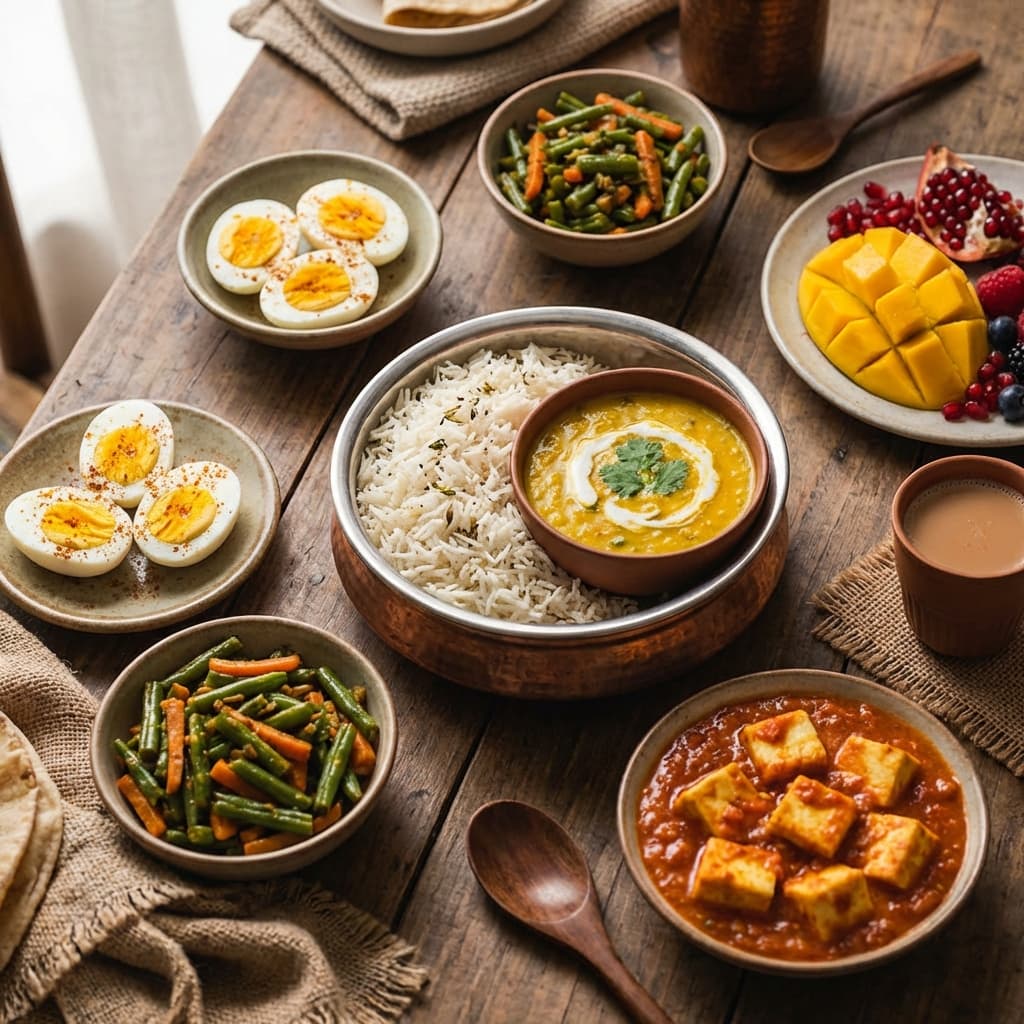
Healthy food background
SAFE ✅Last Updated: 1/12/2026

Can I Eat Grapes ?

Grapes are a nutritious fruit offering antioxidants, vitamins, and fiber, making them a generally healthy addition to your diet at any time. However, their relatively high sugar content means moderation is key, especially for individuals with diabetes or insulin resistance. Consider portion size and pairing them with protein or healthy fats to mitigate blood sugar spikes. Enjoying grapes as part of a balanced diet will allow you to reap their benefits without negative consequences.

Key Insight

The resveratrol found in grape skin, particularly in red grapes, is a powerful antioxidant with potential anti-aging and cardioprotective properties, but its bioavailability to the body is greatly enhanced when consumed with healthy fats.

The Science Behind Grapes

Grapes are a good source of carbohydrates, primarily in the form of glucose and fructose. A 1-cup serving (approximately 151 grams) of grapes contains around 104 calories, with approximately 27 grams of carbohydrates, 1 gram of fiber, and less than 1 gram of protein and fat. The glycemic index (GI) of grapes varies depending on the variety and ripeness, but generally falls in the low to moderate range, typically between 43 and 53. This means that grapes can cause a moderate rise in blood sugar levels compared to high-GI foods.

Grapes are rich in various micronutrients, particularly vitamin K (approximately 28% of the Daily Value (DV) per cup), which is essential for blood clotting and bone health. They also provide vitamin C (around 5% of DV), an important antioxidant that supports immune function. Other notable vitamins and minerals in grapes include copper, potassium, and several B vitamins.

Grapes are also known for their high antioxidant content, primarily due to the presence of polyphenols like resveratrol, quercetin, and anthocyanins. Resveratrol, particularly abundant in red and purple grapes, has been shown in clinical studies to possess anti-inflammatory, antioxidant, and anti-cancer properties. Nutrition research indicates that resveratrol may help protect against heart disease by improving blood vessel function and reducing LDL cholesterol oxidation. Quercetin, another flavonoid found in grapes, also exhibits anti-inflammatory and antioxidant effects.

The digestion of grapes is relatively quick due to their high water content and simple sugars. The sugars are primarily absorbed in the small intestine, leading to a rapid increase in blood glucose levels. The fiber content, although relatively low, contributes to satiety and helps to slow down the absorption of sugar. The metabolic impact of grapes is primarily related to their carbohydrate content and the subsequent insulin response. Individuals with insulin resistance or diabetes may experience a more pronounced blood sugar spike after consuming grapes compared to those with normal insulin sensitivity. Further nutrition research indicates that combining grapes with a source of protein or fat can help to mitigate this effect by slowing down the absorption of glucose.

Portion Control

Ideal Serving

The ideal portion size for grapes is approximately 1 cup (151 grams), which provides a good balance of nutrients and calories without excessive sugar intake.

Max Per Day

The maximum safe limit for daily grape consumption is around 2 cups (302 grams). Exceeding this amount may lead to excessive sugar intake and potential digestive discomfort.

Frequency

Grapes can be enjoyed daily as part of a balanced diet, provided that portion sizes are controlled and they are incorporated into a varied eating pattern.

Common Myth

"Grapes are too high in sugar to be considered a healthy fruit."

Not quite true
The Reality

While grapes do contain sugar, they also provide essential vitamins, minerals, and antioxidants. The sugar in grapes is natural and comes packaged with fiber, which helps to slow down its absorption. When consumed in moderation as part of a balanced diet, grapes can be a healthy and nutritious addition. The benefits of their nutrient content outweigh the potential drawbacks of their sugar content, especially when compared to processed foods with added sugars.

Fact Checked

💡 Expert Tip

"To maximize the absorption of resveratrol, pair grapes with a source of healthy fats, such as a small handful of almonds or walnuts. The fats help to increase the bioavailability of resveratrol, allowing your body to utilize it more effectively. Consider making a grape and nut salad with a light vinaigrette dressing for a delicious and nutritious snack."

Common Questions

Does Grapes cause weight gain?

Grapes, like any food, can contribute to weight gain if consumed in excess. Weight gain occurs when you consume more calories than you burn. While grapes are relatively low in calories, their high sugar content can contribute to a calorie surplus if not accounted for. The impact on insulin levels is also important; frequent spikes in insulin can promote fat storage. Enjoying grapes in moderation as part of a balanced diet, focusing on portion control, and incorporating regular physical activity will prevent them from contributing to weight gain. It is crucial to consider the overall dietary context and calorie intake rather than singling out grapes as the cause of weight gain alone.

Can I eat Grapes on an empty stomach?

Eating grapes on an empty stomach isn't inherently harmful for most people, but it can lead to a more rapid increase in blood sugar levels. The sugars in grapes are quickly absorbed, potentially causing an insulin spike. Some individuals may experience mild digestive discomfort, such as acidity or bloating, due to the fructose content. If you have a sensitive stomach or are prone to blood sugar fluctuations, it's generally preferable to consume grapes with a meal or after eating something else to buffer the impact on blood sugar and digestion.

How does Grapes affect sleep?

Grapes contain melatonin, a hormone that regulates sleep-wake cycles. Therefore, theoretically, grapes could promote sleep. However, the amount of melatonin in grapes is relatively small and may not have a significant impact on sleep for most people. On the other hand, the sugar content in grapes can temporarily raise blood sugar levels, which can disrupt sleep, especially if consumed close to bedtime. It's therefore best to avoid large portions of grapes before bed, especially if you are sensitive to sugar.

Is Grapes good for skin/hair?

Grapes are beneficial for skin and hair due to their rich antioxidant content, particularly resveratrol and vitamin C. Resveratrol helps protect against free radical damage, which can contribute to premature aging and skin damage. Vitamin C is essential for collagen production, which is important for maintaining skin elasticity and strength. Additionally, the antioxidants in grapes can promote healthy hair growth by protecting hair follicles from damage. The high water content of grapes also helps to hydrate the skin and hair, promoting a healthy and radiant appearance.

Metabolic Intelligence Engine

Check this food for YOUR A1C

Stop reading generalizations. Get a personalized metabolic safety score instantly.

Personalized Score
A1C Optimized
Free Guide

Get your 7-Day Blood Sugar Friendly Plan.

Join 2,000+ others who optimized their A1C using our metabolic food guide. Perfect for Prediabetes & High Cholesterol.

  • Top 5 hidden sugar foods to avoid
  • Smart carb swaps for Indian meals
  • The 'Metabolic Timing' rule
  • Simple grocery checklist

Ready to Download

Your personalized metabolic blueprint is ready. No email required.

Unlocked: Full 5-Page Guide

What Should You Do Next?

Instant Score

Type any food to see its impact on your blood sugar instantly.

Check Score

Smart Alternatives

Find safer swaps for your favorite Indian snacks and meals.

Browse Swaps

Join Pro

Unlock unlimited searches and save your metabolic history.

Go Pro

Get your Personalized Safe Score

Verify Food