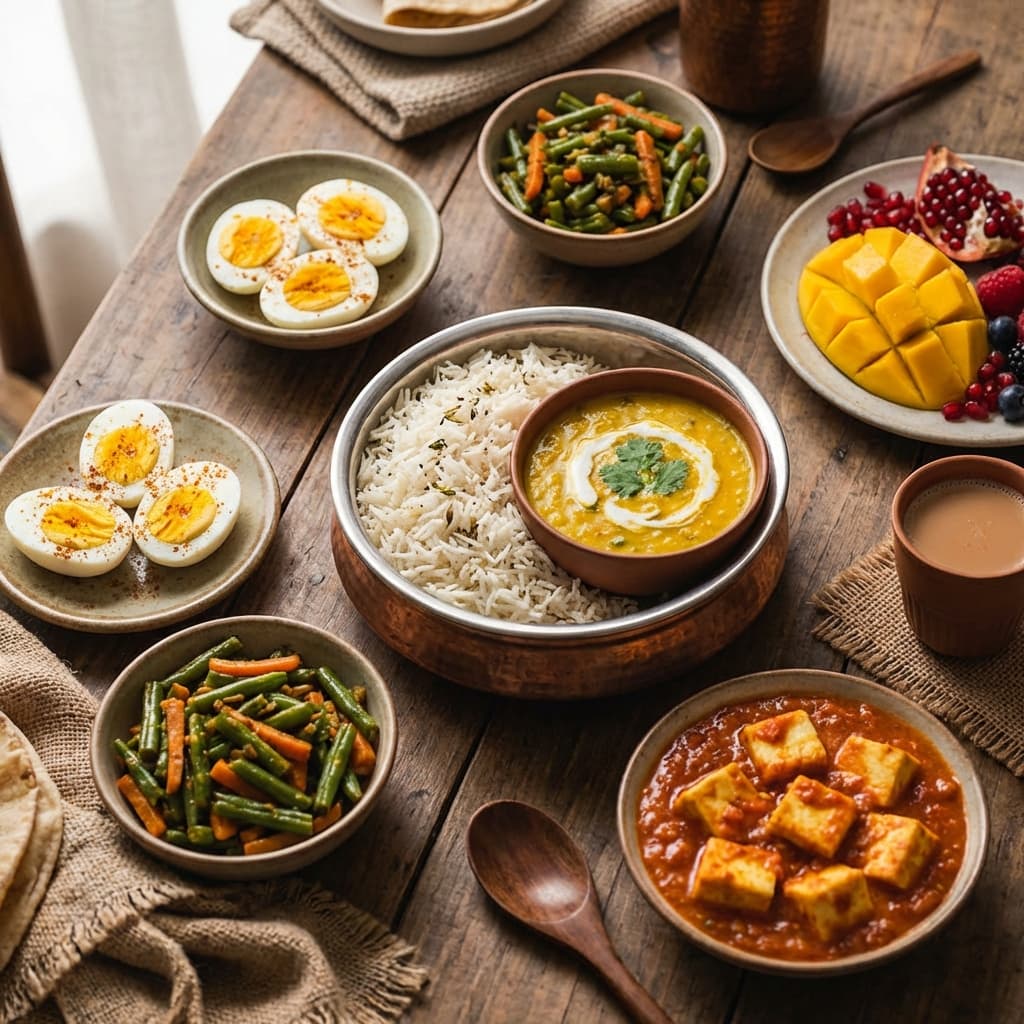
Healthy food background
MODERATE ⚠️Last Updated: 1/12/2026

Can I Eat Banana ?

Bananas are generally safe and nutritious to eat at any time of day. They offer a good source of energy, potassium, and fiber. However, the timing of banana consumption can impact individuals differently. For some, eating a banana on an empty stomach might cause a rapid spike in blood sugar, while others may find it a convenient and quick source of energy. Consider your individual needs and health conditions when deciding when to enjoy this fruit.

Key Insight

The resistant starch content in slightly green bananas can act as a prebiotic, feeding beneficial gut bacteria and improving digestive health.

The Science Behind Bananas

Bananas are a nutritional powerhouse, primarily composed of carbohydrates, with a moderate amount of fiber and negligible fat. A medium-sized banana (approximately 118 grams) contains roughly 105 calories, primarily from carbohydrates (around 27 grams). These carbohydrates are a mix of sugars (glucose, fructose, and sucrose) and starch. The glycemic index (GI) of a banana ranges from 42 to 62, depending on its ripeness. A greener, less ripe banana will have a lower GI due to a higher proportion of resistant starch, whereas a riper banana will have a higher GI as the starch converts to sugar. Nutrition research indicates that the GI of a food is influenced by factors such as processing, cooking methods, and individual metabolic responses. Clinical studies show that consuming foods with a lower GI can help regulate blood sugar levels, particularly beneficial for individuals with diabetes or insulin resistance.

Bananas are an excellent source of potassium, providing about 422 mg per medium-sized fruit. Potassium is an essential mineral vital for maintaining healthy blood pressure, nerve function, and muscle contractions. Bananas also contain magnesium (32 mg), vitamin C (10 mg), vitamin B6 (0.5 mg), and manganese (0.3 mg). Vitamin B6 is crucial for brain development and function, while vitamin C acts as an antioxidant, protecting the body against free radicals. Manganese plays a role in bone health and metabolism.

The fiber content in bananas (around 3 grams per medium fruit) is a mix of soluble and insoluble fiber. Soluble fiber can help lower cholesterol levels and regulate blood sugar, while insoluble fiber promotes healthy bowel movements and prevents constipation. The resistant starch found in unripe bananas is a type of insoluble fiber that escapes digestion in the small intestine and is fermented by gut bacteria in the large intestine, producing short-chain fatty acids (SCFAs) like butyrate. These SCFAs have anti-inflammatory properties and can improve gut health. Clinical studies show that butyrate can improve gut barrier function and reduce the risk of inflammatory bowel diseases. The digestion speed of bananas is moderate; the sugars are absorbed relatively quickly, providing a rapid source of energy, while the fiber slows down the absorption of sugars, preventing a drastic spike in blood sugar. The metabolic impact of bananas is generally positive, providing sustained energy and essential nutrients. However, individuals with specific health conditions, such as diabetes, should be mindful of the ripeness and portion size to manage blood sugar levels effectively.

Portion Control

Ideal Serving

One medium-sized banana (approximately 118 grams) is generally considered an ideal portion size for most individuals. This provides a good balance of carbohydrates, fiber, potassium, and other essential nutrients.

Max Per Day

While there is no strict upper limit for banana consumption, it is generally recommended to limit intake to no more than two bananas per day to avoid excessive sugar and calorie intake. Individuals with kidney problems should monitor their potassium intake and consult with a healthcare professional or registered dietitian to determine the appropriate amount.

Frequency

Bananas can be consumed daily as part of a balanced diet. However, it is important to vary your fruit intake and include a variety of other fruits and vegetables to ensure you are getting a wide range of nutrients.

Common Myth

"Bananas are fattening and should be avoided when trying to lose weight."

Not quite true
The Reality

This is a myth. Bananas are relatively low in calories and high in fiber, which promotes satiety and can help reduce overall calorie intake. While they do contain natural sugars, their glycemic index is moderate, and the fiber content helps to regulate blood sugar levels. Eating bananas in moderation as part of a balanced diet is unlikely to hinder weight loss efforts. In fact, their nutritional content can support a healthy weight management plan.

Fact Checked

💡 Expert Tip

"For optimal gut health, try freezing slightly green bananas and blending them into smoothies. The freezing process further increases the amount of resistant starch, maximizing its prebiotic benefits and promoting the growth of beneficial gut bacteria."

Common Questions

Does Banana cause weight gain?

Bananas themselves do not directly cause weight gain. Weight gain occurs when you consume more calories than you burn. While bananas contain calories, they are also rich in fiber, which promotes satiety and can help reduce overall calorie intake. Eating bananas in moderation as part of a balanced diet is unlikely to lead to weight gain. However, consuming excessive amounts of bananas, especially in combination with other high-calorie foods, can contribute to a calorie surplus and potentially lead to weight gain. The key is to be mindful of portion sizes and overall dietary intake. Also, be mindful of the insulin response; while bananas have natural sugars, their fiber content helps to regulate how quickly those sugars are absorbed into the bloodstream.

Can I eat Banana on an empty stomach?

Eating a banana on an empty stomach is generally safe for most people, but some may experience a rapid spike in blood sugar due to the natural sugars in the fruit. This can lead to a temporary energy boost followed by a crash, potentially causing fatigue and cravings. Additionally, the magnesium content in bananas may cause a slight disruption in the calcium and magnesium balance in the blood, though this effect is usually minimal and short-lived. If you are sensitive to blood sugar fluctuations or have digestive issues, consider pairing the banana with other foods, such as a source of protein or healthy fats, to slow down sugar absorption and minimize potential discomfort. Some people also report increased acidity when consuming bananas on an empty stomach, although this is anecdotal and not universally experienced.

How does Banana affect sleep?

Bananas can potentially improve sleep quality due to their magnesium and potassium content, which are both muscle relaxants. They also contain tryptophan, an amino acid that the body converts to serotonin and melatonin, hormones that regulate sleep. However, the amount of tryptophan in bananas is relatively small, so the effect on sleep may be subtle. Eating a banana before bed may also aid digestion and prevent nighttime hunger, further promoting restful sleep. On the other hand, for some, eating anything too close to bedtime can disrupt sleep due to the digestive process itself. Individual responses vary.

Is Banana good for skin/hair?

Bananas offer several nutrients that can benefit skin and hair health. The vitamin C content acts as an antioxidant, protecting skin cells from damage caused by free radicals and promoting collagen production, which is essential for skin elasticity and firmness. Vitamin B6 contributes to healthy skin cell turnover and can help reduce inflammation. The potassium in bananas helps maintain proper hydration, which is crucial for healthy skin and hair. Additionally, bananas can be used topically as a hair mask to moisturize and condition hair, thanks to their natural oils and nutrients. They can also help to soothe dry or irritated skin when applied topically.

Metabolic Intelligence Engine

Check this food for YOUR A1C

Stop reading generalizations. Get a personalized metabolic safety score instantly.

Personalized Score
A1C Optimized
Free Guide

Get your 7-Day Blood Sugar Friendly Plan.

Join 2,000+ others who optimized their A1C using our metabolic food guide. Perfect for Prediabetes & High Cholesterol.

  • Top 5 hidden sugar foods to avoid
  • Smart carb swaps for Indian meals
  • The 'Metabolic Timing' rule
  • Simple grocery checklist

Ready to Download

Your personalized metabolic blueprint is ready. No email required.

Unlocked: Full 5-Page Guide

What Should You Do Next?

Instant Score

Type any food to see its impact on your blood sugar instantly.

Check Score

Smart Alternatives

Find safer swaps for your favorite Indian snacks and meals.

Browse Swaps

Join Pro

Unlock unlimited searches and save your metabolic history.

Go Pro

Get your Personalized Safe Score

Verify Food