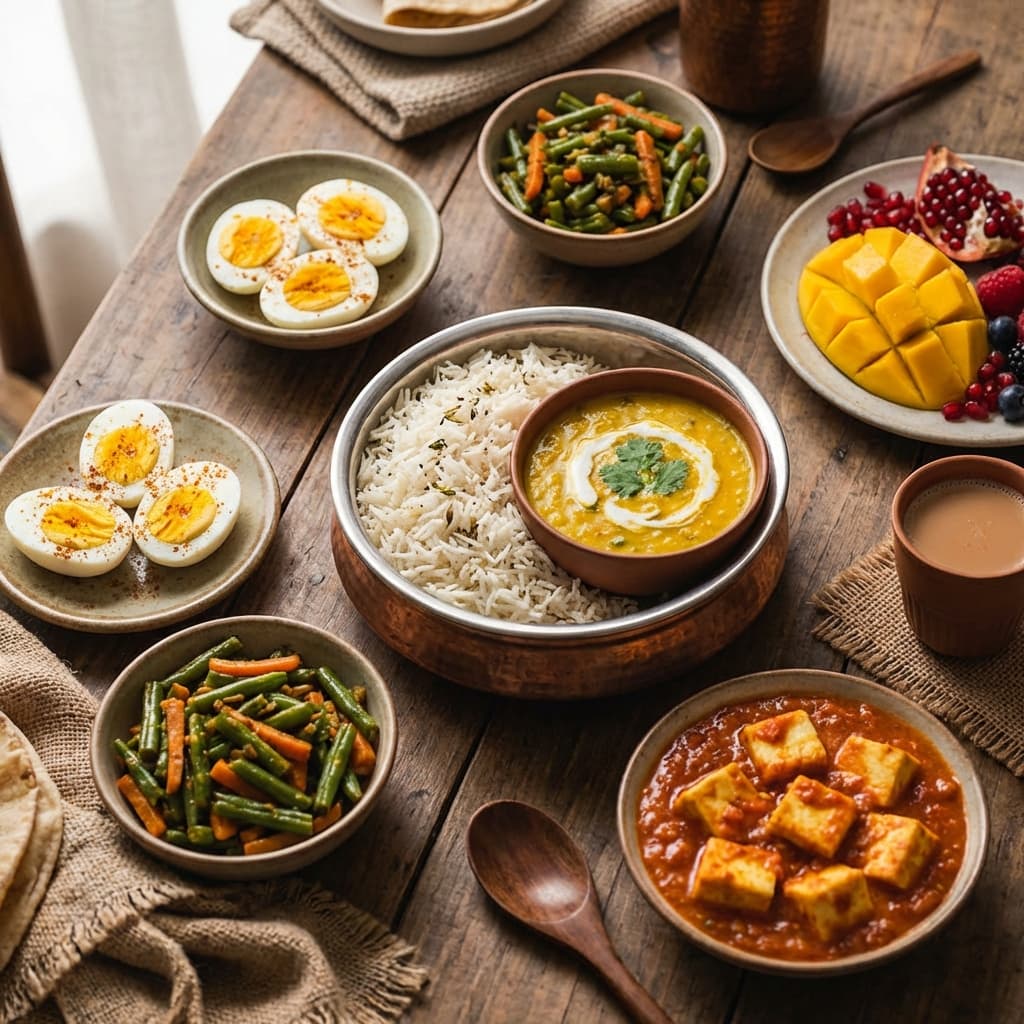
Healthy food background
MODERATE ⚠️Last Updated: 1/12/2026

Can I Eat Soya ?

Soya can be a highly nutritious addition to your diet at any time, offering a complete protein source rich in essential amino acids. However, moderation and consideration of individual health conditions are key. Excessive consumption might pose issues related to hormonal balance due to its phytoestrogen content, and some individuals may experience digestive discomfort. Therefore, while soya is generally safe and beneficial, mindful consumption is recommended.

Key Insight

Soya contains isoflavones, which mimic estrogen in the body. While often touted as a concern, research suggests that for most people, these phytoestrogens have a net positive effect, offering protection against certain cancers and improving bone health.

The Science Behind Soya

Soya, derived from soybeans, is a nutritional powerhouse, primarily valued for its high protein content. A 100-gram serving of cooked soybeans provides approximately 17 grams of protein, making it a complete protein source containing all nine essential amino acids. This is crucial for muscle building, repair, and overall bodily functions. Beyond protein, soya is a good source of healthy fats, including polyunsaturated fatty acids (PUFAs) like omega-3 and omega-6 fatty acids. These fats are essential for heart health and brain function.

In terms of micronutrients, soya is rich in iron, providing about 25% of the recommended daily intake per 100-gram serving. Iron is vital for oxygen transport in the blood. It also contains significant amounts of calcium (around 28% of the RDI), important for bone health and nerve function. Other notable micronutrients include magnesium, phosphorus, potassium, and B vitamins like folate and riboflavin.

The Glycemic Index (GI) of soybeans is very low, typically around 15-20. This means that soya consumption results in a slow and gradual rise in blood sugar levels, making it a suitable option for individuals with diabetes or insulin resistance. The low GI is attributed to its high fiber content (around 6 grams per 100-gram serving), which slows down carbohydrate absorption.

Digestion of soya is relatively slow due to its protein and fiber content. This slow digestion promotes satiety, helping to control appetite and potentially aid in weight management. Nutrition research indicates that the isoflavones in soya, such as genistein and daidzein, act as phytoestrogens, which can bind to estrogen receptors in the body. Clinical studies show that these phytoestrogens may have beneficial effects on bone density, cardiovascular health, and menopausal symptoms. However, they can also interfere with hormone balance in sensitive individuals, particularly those with hormone-sensitive conditions.

Furthermore, soya contains antinutrients like phytates, which can inhibit the absorption of certain minerals like iron and zinc. However, these antinutrients can be significantly reduced through cooking methods like soaking, sprouting, fermenting, and boiling. Fermented soya products like tempeh and miso are particularly beneficial as the fermentation process further reduces antinutrients and enhances nutrient bioavailability.

🌍

Global & Cultural Insights

Soya has become increasingly popular in the Indian diet as a versatile and affordable protein source, especially for vegetarians. It seamlessly integrates into various traditional dishes. Soya chunks, often used as a meat substitute, are commonly added to curries, biryanis, and stir-fries. Tofu can be used in paneer dishes, while soya flour can be incorporated into roti or paratha dough to increase the protein content. From an Ayurvedic perspective, soya is considered to be heavy and heating, so it's often recommended to balance it with cooling spices like coriander, cumin, and fennel. In modern Indian cuisine, soya is frequently combined with rice or roti, providing a balanced meal containing both carbohydrates and protein. The key is to consume soya in moderation and incorporate it into a diverse diet that includes other nutrient-rich foods.

Who Should Eat Soya?

For People with Diabetes/Insulin Resistance

Recommended

Soya is an excellent choice due to its low GI and high fiber content, which helps regulate blood sugar levels. Incorporate soya products like tofu, tempeh, or edamame into meals to provide sustained energy without causing rapid glucose spikes. Focus on minimally processed soya options to maximize benefits.

Caution

Be mindful of added sugars or sodium in processed soya products like flavored soya milk or certain soya sauces. Always check nutrition labels and opt for unsweetened or low-sodium varieties. Monitor blood sugar levels after consuming soya to understand individual responses.

For Weight Loss & Metabolism

Recommended

Soya's high protein and fiber content promote satiety, helping you feel fuller for longer and potentially reducing overall calorie intake. Utilize soya as a primary protein source in meals to control appetite and support a healthy metabolism. A 100g serving of tofu, for instance, contains around 8g of protein and only about 76 calories.

Caution

Avoid excessive consumption of soya oil or heavily processed soya products, as they can be calorie-dense and may contain unhealthy additives. Be mindful of portion sizes, as even healthy foods can contribute to weight gain if consumed in excess. Limit the consumption of soya-based desserts or snacks high in added sugars.

For Athletes & Muscle Gain

Recommended

Soya provides a complete protein source essential for muscle repair and growth. Consume soya-based protein shakes or include tofu, tempeh, or edamame in post-workout meals to replenish amino acids and support muscle recovery. The leucine content in soya is particularly beneficial for stimulating muscle protein synthesis.

Caution

While soya is a good protein source, ensure a varied intake of other protein sources to obtain a comprehensive range of amino acids. Some athletes may be concerned about soya's phytoestrogen content, but research suggests that moderate consumption does not negatively impact testosterone levels or athletic performance. Experiment with different soya products to find what works best for your digestive system, as some individuals may experience bloating or gas.

For Heart Health & Cholesterol

Recommended

Soya has been shown to have a positive impact on lipid profiles. Studies suggest that soya protein can help lower LDL (bad) cholesterol and raise HDL (good) cholesterol. Incorporate soya products into your diet to support heart health. Choose minimally processed options like edamame, tofu, and tempeh over heavily processed soya snacks.

Caution

Be mindful of the sodium content in soya sauces and other processed soya products, as high sodium intake can negatively impact blood pressure. Opt for low-sodium varieties or use them sparingly. Also, be aware of added oils or fats in certain soya preparations, such as fried tofu, and choose healthier cooking methods like baking or steaming.

For Digestive Health (Gut)

Recommended

The fiber content in soya promotes healthy digestion and supports a balanced gut microbiome. Fermented soya products like tempeh and miso contain probiotics, which can further enhance gut health. Incorporate these fermented options into your diet to support digestive function.

Caution

Some individuals may experience bloating, gas, or other digestive discomfort after consuming soya due to its oligosaccharide content. Start with small portions and gradually increase intake to assess tolerance. Soaking and cooking soya thoroughly can help reduce these effects. Individuals with Irritable Bowel Syndrome (IBS) should monitor their symptoms and adjust soya intake accordingly.

Timing Your Nutrition

Best Time

There isn't a single 'best' time to consume soya, as its benefits can be realized at any time of day. However, consuming soya as part of a balanced meal, especially alongside other nutrient-rich foods, can optimize its absorption and utilization. For athletes, consuming soya protein post-workout can aid in muscle recovery. Including soya in your breakfast can provide sustained energy throughout the morning due to its slow-digesting properties.

⚠️

Avoid When

There isn't a specific time to strictly avoid soya for most individuals. However, those with known soya allergies or sensitivities should avoid it altogether. If you experience digestive discomfort when consuming soya on an empty stomach, it's best to consume it with other foods. Some individuals may find that consuming large amounts of soya close to bedtime can interfere with sleep due to its protein content, so moderation in the evening is advisable.

🍽️

Pair With

Pairing soya with vitamin C-rich foods like citrus fruits or bell peppers can enhance iron absorption. Combining soya with whole grains or vegetables can provide a balanced and nutritious meal. If you're concerned about the antinutrients in soya, soaking or sprouting it before cooking can help reduce their impact.

Portion Control

Ideal Serving

A reasonable portion size for soya is typically around 1/2 cup (approximately 85 grams) of cooked soybeans or 3-4 ounces (85-113 grams) of tofu or tempeh per serving.

Max Per Day

While soya is generally safe, excessive consumption (e.g., consistently exceeding 2-3 servings per day) may lead to hormonal imbalances in sensitive individuals. It's best to vary your protein sources and maintain a balanced diet.

Frequency

Soya can be consumed daily or several times a week as part of a healthy diet. The frequency depends on individual preferences, dietary needs, and tolerance levels.

Common Myth

"Soya causes breast cancer."

Not quite true
The Reality

This is a widely debunked myth. Numerous scientific studies have shown that soya consumption does not increase the risk of breast cancer and may even have a protective effect. The isoflavones in soya, which are phytoestrogens, bind to estrogen receptors in the body but exert weaker estrogenic effects than the body's own estrogen. These phytoestrogens can actually block the effects of stronger estrogens, potentially reducing the risk of hormone-related cancers. Organizations like the American Cancer Society and the World Cancer Research Fund have concluded that soya consumption is safe and may even be beneficial for cancer prevention.

Fact Checked

💡 Expert Tip

"To maximize the benefits of soya and minimize potential downsides, opt for fermented soya products like tempeh and miso. Fermentation reduces antinutrients, enhances nutrient bioavailability, and introduces beneficial probiotics for gut health. Incorporate these fermented options into your diet regularly for a more easily digestible and nutrient-rich source of soya."

Common Questions

Does Soya cause weight gain?

Soya itself does not inherently cause weight gain. Weight gain occurs when you consume more calories than you burn, regardless of the food source. Soya, like any other food, can contribute to weight gain if consumed in excessive amounts leading to a calorie surplus. However, its high protein and fiber content can actually aid in weight management by promoting satiety and helping to control appetite. The key is to consume soya in moderation as part of a balanced diet and maintain a healthy lifestyle with regular physical activity. Moreover, the low GI of soya helps prevent insulin spikes, which can contribute to fat storage. Therefore, soya can be a beneficial addition to a weight-loss or weight-maintenance diet when consumed mindfully.

Can I eat Soya on an empty stomach?

While it's generally safe to eat soya on an empty stomach, some individuals may experience digestive discomfort. The high protein and fiber content of soya can be more challenging to digest on an empty stomach, potentially leading to bloating, gas, or acidity. Additionally, soya contains phytic acid, which can inhibit mineral absorption. Consuming soya with other foods can help buffer its effects and improve digestion. If you have a sensitive digestive system, it's best to consume soya as part of a balanced meal rather than on an empty stomach to minimize potential discomfort. However, some people tolerate soya well on an empty stomach, so it ultimately depends on individual tolerance.

How does Soya affect sleep?

Soya's impact on sleep can vary from person to person. Soya contains tryptophan, an amino acid that the body uses to produce melatonin, a hormone that regulates sleep. Therefore, consuming soya may potentially promote relaxation and improve sleep quality. However, the high protein content of soya can also stimulate digestion, which might interfere with sleep for some individuals. If you find that consuming soya close to bedtime disrupts your sleep, try consuming it earlier in the day. Additionally, individual reactions to soya can differ, so monitor your sleep patterns to determine how soya affects you personally.

Is Soya good for skin/hair?

Yes, soya can be beneficial for skin and hair health due to its rich nutrient profile. Soya contains isoflavones, which have antioxidant properties that can protect the skin from damage caused by free radicals and UV radiation. These isoflavones may also help improve skin elasticity and reduce the appearance of wrinkles. Additionally, soya is a good source of protein, which is essential for building and repairing tissues, including hair follicles. The iron content in soya also contributes to healthy hair growth by ensuring adequate oxygen supply to the scalp. Furthermore, soya contains lecithin, which can help moisturize and nourish the skin and hair.

Need a Personalized Diet Plan?

Generalized advice is good, but your body is unique. Upload your recent health report and get AI-powered nutrition guidance tailored specifically to your bloodwork.

Get My Personalized Plan

What Should You Do Next?

Analyze Your Report

Upload your lab PDF to get a full AI breakdown instantly.

Upload PDF

Food Decisions

Confused about what to eat? Check our food guide.

Food Guide

Start Health Journey

Create a personalized profile to track your progress.

Get Started