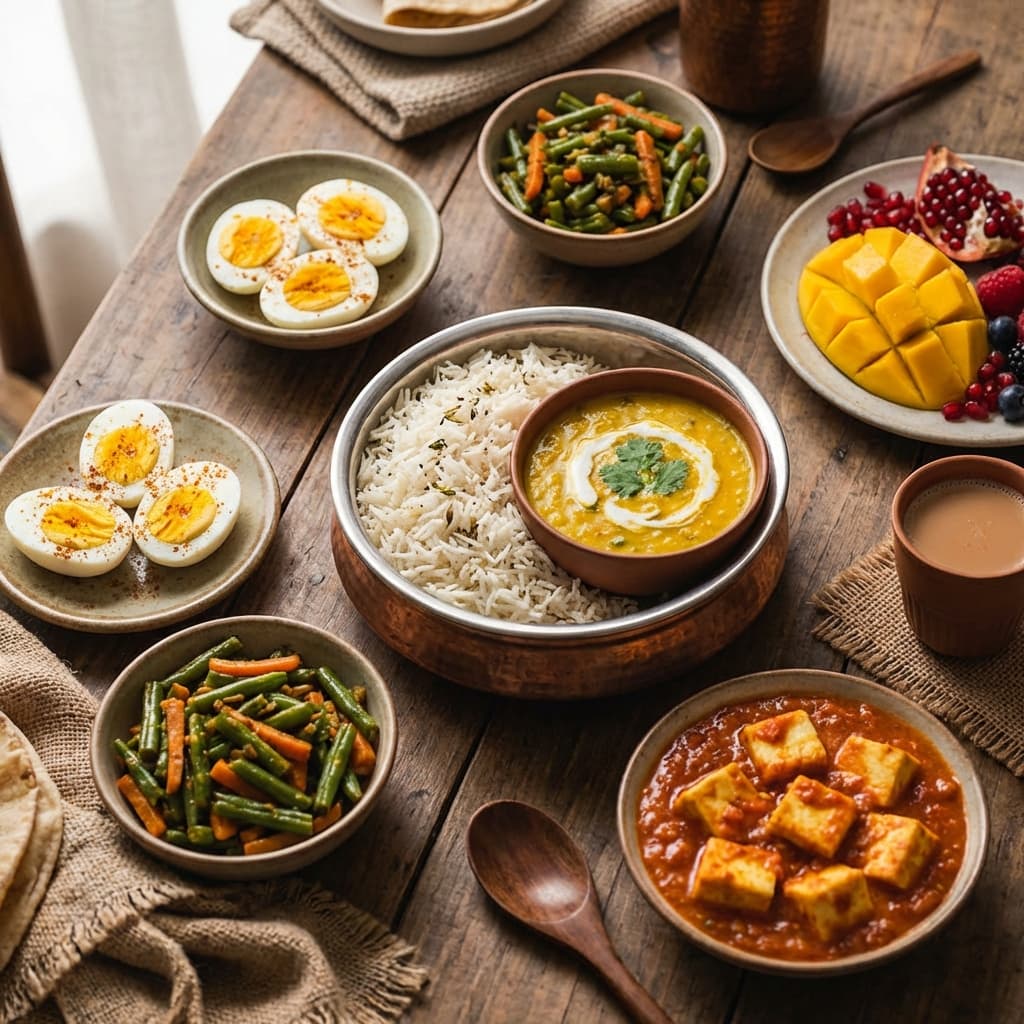
Healthy food background
MODERATE ⚠️DailyLast Updated: 1/12/2026

Can I Eat Paneer Daily?

Eating paneer daily can be a healthy choice for most people, providing a good source of protein, calcium, and essential nutrients. However, moderation is key due to its relatively high fat content, particularly saturated fat. The ideal daily intake depends on individual factors like activity level, dietary needs, and overall health status. Consuming it within a balanced diet and being mindful of preparation methods (avoiding excessive frying) is crucial to reap its benefits without adverse effects.

Key Insight

Paneer contains conjugated linoleic acid (CLA), a fatty acid that nutrition research indicates may have anti-cancer and fat-loss properties. However, the CLA content varies based on the diet of the animal the milk comes from.

The Science Behind Paneer

Paneer, also known as Indian cheese, is a fresh, non-aged cheese made by curdling milk with a food acid, such as lemon juice or vinegar. Its nutritional profile is quite impressive, making it a valuable addition to a balanced diet, albeit with mindful consideration of its fat content.

**Macronutrients:** A 100-gram serving of paneer typically contains around 18-20 grams of protein, making it an excellent source of this essential macronutrient. Protein is vital for building and repairing tissues, producing enzymes and hormones, and supporting immune function. It also provides a feeling of fullness, aiding in appetite control. The same serving contains roughly 25-30 grams of fat, most of which is saturated. This high-fat content contributes to its creamy texture and palatability but needs to be accounted for within daily fat intake limits. Paneer contains a minimal amount of carbohydrates, typically less than 5 grams, making it suitable for low-carb diets. It provides roughly 300-350 calories per 100-gram serving, depending on the fat content of the milk used.

**Micronutrients:** Paneer is a good source of several essential micronutrients. Clinical studies show that it's rich in calcium, providing around 20% of the recommended daily intake per 100-gram serving. Calcium is crucial for bone health, muscle function, and nerve transmission. It also contains phosphorus, another mineral vital for bone health and energy production. Paneer provides smaller amounts of B vitamins, including riboflavin (B2) and vitamin B12, which are important for energy metabolism and nerve function. It also contains some vitamin A, essential for vision, immune function, and cell growth. Furthermore, paneer contains trace amounts of minerals like magnesium and potassium, which play roles in various bodily functions.

**Glycemic Index (GI) and Digestion:** Paneer has a low glycemic index (GI), estimated to be around 30. This means it doesn't cause a rapid spike in blood sugar levels, making it a suitable choice for individuals with diabetes or insulin resistance. The protein and fat content in paneer contribute to slower digestion, promoting a sustained release of energy and preventing sudden crashes. Nutrition research indicates that the fat content can also slow down the absorption of carbohydrates from other foods consumed alongside paneer, further stabilizing blood sugar levels.

**Metabolic Impact:** The protein in paneer has a thermic effect of food (TEF), meaning that the body burns more calories to digest and process it compared to carbohydrates or fats. This can contribute to a slight increase in metabolism. The fat content in paneer can also influence satiety, reducing overall calorie intake by promoting feelings of fullness. However, the saturated fat content warrants moderation, as excessive intake can negatively impact cholesterol levels and increase the risk of heart disease. Overall, paneer's metabolic impact depends on individual factors, including overall diet, activity level, and metabolic health. Clinical studies emphasize that while paneer provides valuable nutrients, it should be consumed as part of a balanced dietary pattern to maximize its benefits and minimize potential risks.

Portion Control

Ideal Serving

The ideal portion size for paneer is 50-75 grams per day for most adults. This provides a good balance of protein, calcium, and other nutrients without excessive fat intake.

Max Per Day

The maximum safe limit for daily paneer consumption is around 100-125 grams. Exceeding this amount regularly can lead to excessive saturated fat intake and potential weight gain.

Frequency

Daily consumption of paneer within the recommended portion size is generally safe and can be part of a healthy diet. However, it's important to listen to your body and adjust intake based on individual needs and tolerance.

Common Myth

"Paneer is unhealthy because it's high in fat."

Not quite true
The Reality

While paneer is indeed high in fat, the fat content isn't inherently unhealthy. It's crucial to consider the type of fat (mostly saturated), the overall dietary context, and portion sizes. Consuming paneer in moderation as part of a balanced diet can provide valuable protein, calcium, and other nutrients. Furthermore, some research suggests that dairy fat may not be as detrimental to heart health as previously thought. The negative health outcomes come from overconsumption, not consumption.

Fact Checked

💡 Expert Tip

"To maximize the benefits of paneer and minimize its potential drawbacks, marinate it in spices like turmeric, ginger, and garlic before cooking. These spices have anti-inflammatory properties and can aid digestion. You can also use paneer to make healthy dips with vegetables like spinach or broccoli and pair with nuts and seeds to boost healthy fats and fiber."

Common Questions

Does Paneer cause weight gain?

Paneer, like any food, can contribute to weight gain if consumed in excess. Weight gain is primarily determined by calorie surplus – consuming more calories than you burn. While paneer is relatively high in calories due to its fat content, it can also aid in weight management when consumed in moderation as part of a balanced diet. The high protein content promotes satiety, which can help control overall calorie intake. Also, the fat can improve satiety. Insulin plays a less important role when the excess is fat instead of sugar.

Can I eat Paneer on an empty stomach?

Eating paneer on an empty stomach is generally not recommended for everyone. While some individuals may tolerate it well, others may experience digestive discomfort. The fat content in paneer can stimulate the release of stomach acid, potentially leading to acidity or heartburn, especially for those prone to these issues. Furthermore, while paneer has a low GI, it can still trigger an insulin response. Eating carbohydrates with it will dampen the insulin response. Consuming it after fiber-rich vegetables might be a better choice than on an empty stomach.

How does Paneer affect sleep?

Paneer's impact on sleep depends on the amount consumed and individual sensitivity. Large portions, especially close to bedtime, can disrupt sleep due to the digestive process required to break down its high fat content. However, the tryptophan content (an amino acid) might help promote relaxation and improve sleep quality. This impact is minor compared to the digestive burden. It's best to avoid consuming large amounts of paneer at least 2-3 hours before bedtime to minimize potential sleep disturbances.

Is Paneer good for skin/hair?

Paneer can contribute to healthy skin and hair due to its micronutrient content. It provides vitamin A, which is essential for cell growth and repair, contributing to healthy skin. The protein content is crucial for building and maintaining collagen, a structural protein that supports skin elasticity and hair strength. Additionally, the B vitamins in paneer play a role in maintaining healthy skin and hair follicles. It provides other key nutrients that are important in the hair and skin creation process.

Is this right for your body?

Generic advice misses the full picture. See how this fits your specific health goals.

Check my compatibility

What Should You Do Next?

Analyze Your Report

Upload your lab PDF to get a full AI breakdown instantly.

Upload PDF

Food Decisions

Confused about what to eat? Check our food guide.

Food Guide

Start Health Journey

Create a personalized profile to track your progress.

Get Started

Health answers are generic. Your body is not.

Get personalized clarity