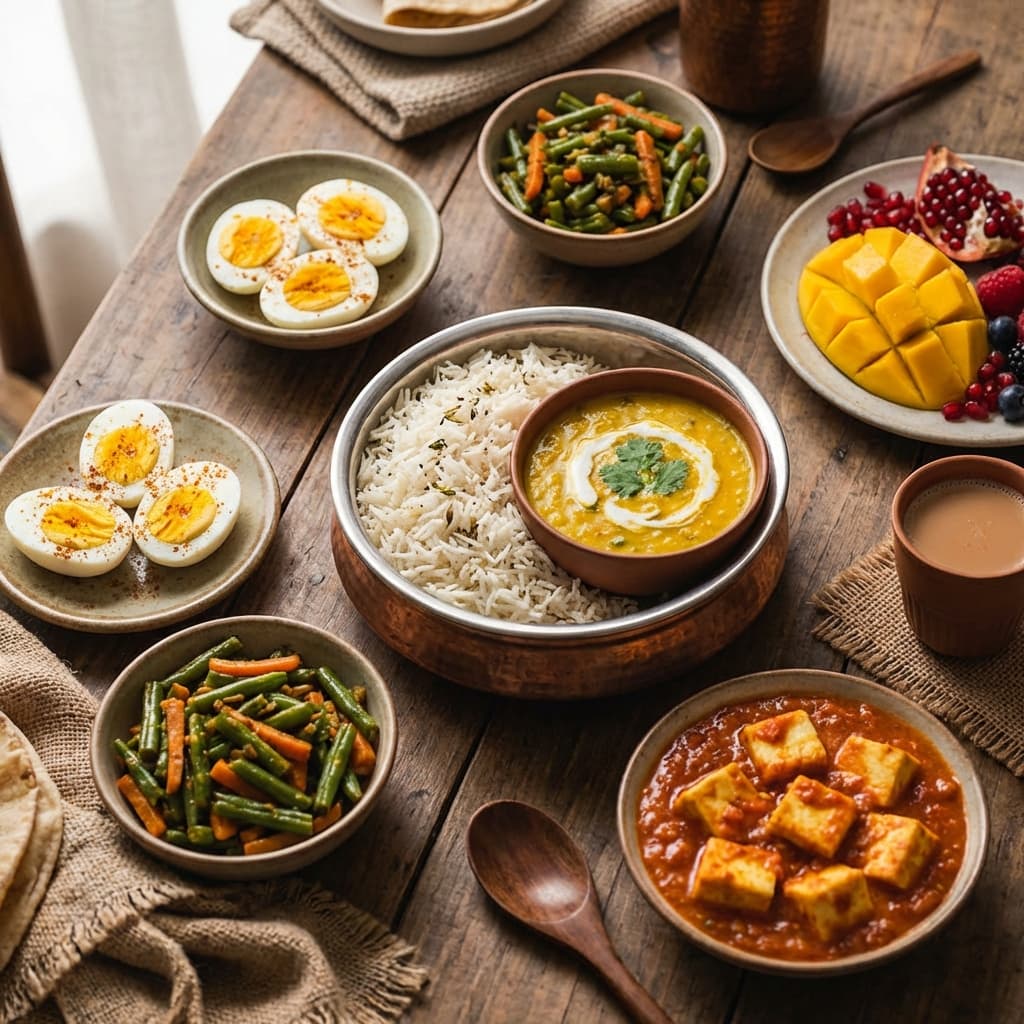
Healthy food background
MODERATE ⚠️Last Updated: 1/12/2026

Can I Eat Ghee ?

Ghee, a clarified butter, can generally be consumed anytime, but moderation and individual tolerance are key. Its rich fat content provides energy and fat-soluble vitamins, but overconsumption can contribute to a calorie surplus. Consider your overall dietary needs and health conditions when incorporating ghee into your meals, and be mindful of the quality and source of the ghee you choose. While beneficial, it's not a free pass to unlimited consumption.

Key Insight

Ghee contains butyric acid, a short-chain fatty acid that nourishes the cells of the colon and may help reduce inflammation in the gut.

The Science Behind Ghee

Ghee is primarily composed of saturated fats (approximately 60-65%), monounsaturated fats (30-35%), and a small percentage of polyunsaturated fats (around 3%). A tablespoon (15ml) of ghee typically contains around 120-135 calories and 13-15 grams of fat. Unlike butter, ghee has very little lactose and casein, making it potentially more tolerable for individuals with mild lactose intolerance.

**Macronutrient Breakdown:** The high-fat content of ghee contributes to its satiety, potentially helping to control appetite. However, it also means that portion control is crucial to avoid excessive calorie intake. The absence of carbohydrates and protein means ghee doesn't directly impact blood sugar levels, but its fat content can influence insulin sensitivity over time depending on the overall diet.

**Micronutrient Profile:** Ghee is a source of fat-soluble vitamins like Vitamin A, Vitamin D, Vitamin E, and Vitamin K. Vitamin A is crucial for vision, immune function, and cell growth. Vitamin D is essential for calcium absorption and bone health. Vitamin E acts as an antioxidant, protecting cells from damage. Vitamin K plays a vital role in blood clotting. The amount of these vitamins varies depending on the cow's diet (grass-fed cows tend to produce ghee with higher vitamin content).

**GI Index and Digestion:** Ghee has a negligible Glycemic Index (GI) because it's almost pure fat. It doesn't cause a rapid spike in blood sugar levels. The digestion of ghee primarily occurs in the small intestine, where fats are broken down by enzymes and absorbed. Medium-chain triglycerides (MCTs), present in small amounts in ghee, are more easily digested and absorbed than long-chain triglycerides.

**Metabolic Impact:** Nutrition research indicates that ghee can have a complex impact on metabolism. Some studies suggest that conjugated linoleic acid (CLA), found in ghee (especially from grass-fed cows), may have anti-inflammatory and anti-cancer properties. Clinical studies show that ghee can influence lipid profiles, with some research indicating a potential for increasing HDL (good) cholesterol, while other studies suggest it may elevate LDL (bad) cholesterol in certain individuals. The overall metabolic impact depends on individual factors, dietary habits, and lifestyle. The presence of butyric acid also contributes to gut health, influencing the overall metabolic environment. Research suggests butyrate may improve insulin sensitivity. Further research is needed to fully elucidate the long-term effects of ghee consumption on metabolic health.

🌍

Global & Cultural Insights

Ghee holds a significant cultural and culinary role in India. It's a staple in many Indian dishes, from dal and curries to sweets and desserts. In Ayurveda, ghee is considered a sacred and medicinal food, believed to promote digestion, immunity, and overall well-being. It is often used in traditional remedies and rituals. Modern Indian lifestyles often involve a combination of traditional and Western dietary practices. While ghee remains a popular ingredient, it's important to be mindful of portion sizes and to balance its consumption with other healthy foods, especially in the context of carbohydrate-rich diets. Pairing ghee with roti or rice is a common practice, but consider balancing the meal with vegetables and protein to create a more complete and nutritious dish.

Who Should Eat Ghee?

For People with Diabetes/Insulin Resistance

Recommended

Ghee's negligible GI means it doesn't directly raise blood sugar. Using it sparingly can add flavor and fat-soluble vitamins to meals without causing glycemic spikes. Consider pairing it with high-fiber foods to further mitigate any potential impact on insulin sensitivity.

Caution

While ghee itself doesn't directly raise blood sugar, its high fat content can indirectly affect insulin sensitivity over time. Excessive consumption, particularly in the context of a high-carbohydrate diet, can potentially worsen insulin resistance. Limit intake to 1-2 teaspoons per day and monitor blood sugar levels regularly. Avoid using ghee in excessively rich or sugary desserts.

For Weight Loss & Metabolism

Recommended

Ghee's high caloric density (around 120 calories per tablespoon) requires careful portion control. Its satiety can be leveraged to reduce overall calorie intake if used judiciously. A small amount of ghee can enhance the flavor of vegetables or lean protein, making them more satisfying.

Caution

Avoid using ghee as a 'healthy' excuse to overeat. Its high caloric content can easily lead to a calorie surplus and hinder weight loss efforts. Be mindful of hidden ghee in restaurant meals and processed foods. Don't fall into the trap of thinking 'it's healthy fat, so I can eat a lot of it'. Track your intake carefully.

For Athletes & Muscle Gain

Recommended

Ghee doesn't directly contribute to muscle gain due to its lack of protein. However, its fat content can provide sustained energy for workouts. Adding a small amount to a post-workout meal can help replenish energy stores and aid in the absorption of fat-soluble vitamins from other foods.

Caution

Avoid consuming large amounts of ghee immediately before a workout, as its high fat content can slow digestion and cause discomfort. Focus on protein and carbohydrates for immediate pre-workout fuel. Limit ghee intake post-workout if your goal is rapid glycogen replenishment; prioritize easily digestible carbohydrates first.

For Heart Health & Cholesterol

Recommended

The impact of ghee on heart health is debated. Some studies suggest that ghee may raise HDL (good) cholesterol, while others show a potential for increasing LDL (bad) cholesterol, particularly in susceptible individuals. Monitor your lipid profile regularly if you consume ghee, especially if you have pre-existing heart conditions. Choose ghee from grass-fed cows, which may have a more favorable fatty acid profile.

Caution

Be mindful of the saturated fat content of ghee, especially if you have high cholesterol or a family history of heart disease. Limit intake to 1-2 teaspoons per day and prioritize unsaturated fats from sources like olive oil, nuts, and avocados. Avoid using ghee in conjunction with other high-saturated fat foods like red meat and processed meats. Consider consulting with a cardiologist or registered dietitian for personalized advice.

For Digestive Health (Gut)

Recommended

Ghee contains butyric acid, a short-chain fatty acid that nourishes the cells of the colon and may help reduce inflammation in the gut. It is easily digestible for many. Some individuals find that a small amount of ghee can soothe the digestive tract.

Caution

While generally well-tolerated, some individuals may experience bloating or discomfort from ghee, especially if consumed in large quantities or if they have underlying digestive issues. Start with small amounts and gradually increase intake to assess tolerance. Avoid ghee if you have a known sensitivity to dairy products or if you experience persistent digestive symptoms. For some individuals, ghee can exacerbate acidity. Monitor your body's response.

Timing Your Nutrition

Best Time

There isn't a single 'best' time to eat ghee, but incorporating it into meals is generally preferable to consuming it on an empty stomach. Adding it to lunch or dinner can enhance the flavor and satiety of the meal. From an Ayurvedic perspective, ghee is often recommended during midday, when digestive fire (Agni) is strongest.

⚠️

Avoid When

Consuming large amounts of ghee right before bed may not be ideal for everyone, as it can potentially interfere with sleep due to the digestive process. If you're prone to indigestion or bloating, avoid ghee in the evening. Also, avoid consuming ghee immediately before or after strenuous exercise, as it can slow digestion and hinder performance or recovery.

🍽️

Pair With

Ghee pairs well with a variety of foods. Adding it to rice or roti can enhance their flavor and provide sustained energy. Using it to sauté vegetables can improve their palatability and increase the absorption of fat-soluble vitamins. Combining it with spices like turmeric and ginger can create a flavorful and anti-inflammatory dish.

Portion Control

Ideal Serving

1-2 teaspoons (5-10ml) per day is a reasonable starting point for most individuals. This provides flavor and nutritional benefits without excessive calorie intake. Adjust based on individual needs and tolerance.

Max Per Day

3-4 teaspoons (15-20ml) per day should be considered the upper limit, especially for individuals with high cholesterol or those trying to lose weight. Exceeding this amount can easily contribute to a calorie surplus and potentially negatively impact lipid profiles.

Frequency

Daily consumption within the recommended portion size is generally safe for most individuals. However, it's important to listen to your body and adjust frequency based on individual needs and tolerance. Consider incorporating ghee as part of a balanced diet that includes a variety of other healthy fats.

Common Myth

"Ghee is pure fat and therefore inherently unhealthy."

Not quite true
The Reality

While ghee is primarily fat, it's not necessarily unhealthy when consumed in moderation. It contains beneficial fatty acids like CLA and butyric acid, as well as fat-soluble vitamins. The impact on health depends on overall dietary habits, portion size, and individual factors. Choosing ghee from grass-fed cows can further enhance its nutritional profile.

Fact Checked

💡 Expert Tip

"Infuse your ghee with herbs and spices like ginger, garlic, or turmeric while rendering it. This not only adds flavor but also enhances the potential health benefits, creating a synergistic effect. The fat in ghee helps to extract and deliver the beneficial compounds from the herbs and spices."

Common Questions

Does Ghee cause weight gain?

Ghee itself doesn't directly *cause* weight gain. Weight gain occurs when you consume more calories than you burn, creating a calorie surplus. Ghee is calorie-dense, meaning it packs a lot of calories into a small volume. Therefore, overconsumption of ghee, like any high-calorie food, can contribute to a calorie surplus and lead to weight gain. However, when consumed in moderation as part of a balanced diet and active lifestyle, ghee is unlikely to be a primary driver of weight gain. Consider the insulin context too; high carb diets alongside ghee can promote fat storage more readily than low-carb diets.

Can I eat Ghee on an empty stomach?

Consuming a small amount of ghee on an empty stomach is a traditional Ayurvedic practice, believed to lubricate the digestive tract and promote gut health. However, this may not be suitable for everyone. Some individuals may experience discomfort or acidity, especially if they are prone to acid reflux or have a sensitive stomach. The fat content can also stimulate bile release, which may cause nausea in some individuals. While it won't significantly spike insulin, monitor your body's response. Start with a very small amount (e.g., 1/2 teaspoon) to assess tolerance.

How does Ghee affect sleep?

Ghee contains tryptophan, an amino acid that's a precursor to melatonin, a hormone that regulates sleep. However, the amount of tryptophan in ghee is relatively small, so its direct impact on sleep is likely minimal. The primary way ghee might affect sleep is through its impact on digestion. Consuming a large, fatty meal (including ghee) close to bedtime can slow digestion and potentially disrupt sleep. However, a small amount of ghee might promote relaxation due to its grounding effect, according to Ayurvedic principles.

Is Ghee good for skin/hair?

Ghee contains fat-soluble vitamins like Vitamin A and Vitamin E, which are important for skin and hair health. Vitamin A supports cell turnover and helps keep the skin moisturized. Vitamin E acts as an antioxidant, protecting skin cells from damage. Applying ghee topically can also help to moisturize dry skin and hair. However, it's important to use pure, high-quality ghee and to test a small area of skin first to check for any allergic reactions.

Need a Personalized Diet Plan?

Generalized advice is good, but your body is unique. Upload your recent health report and get AI-powered nutrition guidance tailored specifically to your bloodwork.

Get My Personalized Plan

What Should You Do Next?

Analyze Your Report

Upload your lab PDF to get a full AI breakdown instantly.

Upload PDF

Food Decisions

Confused about what to eat? Check our food guide.

Food Guide

Start Health Journey

Create a personalized profile to track your progress.

Get Started