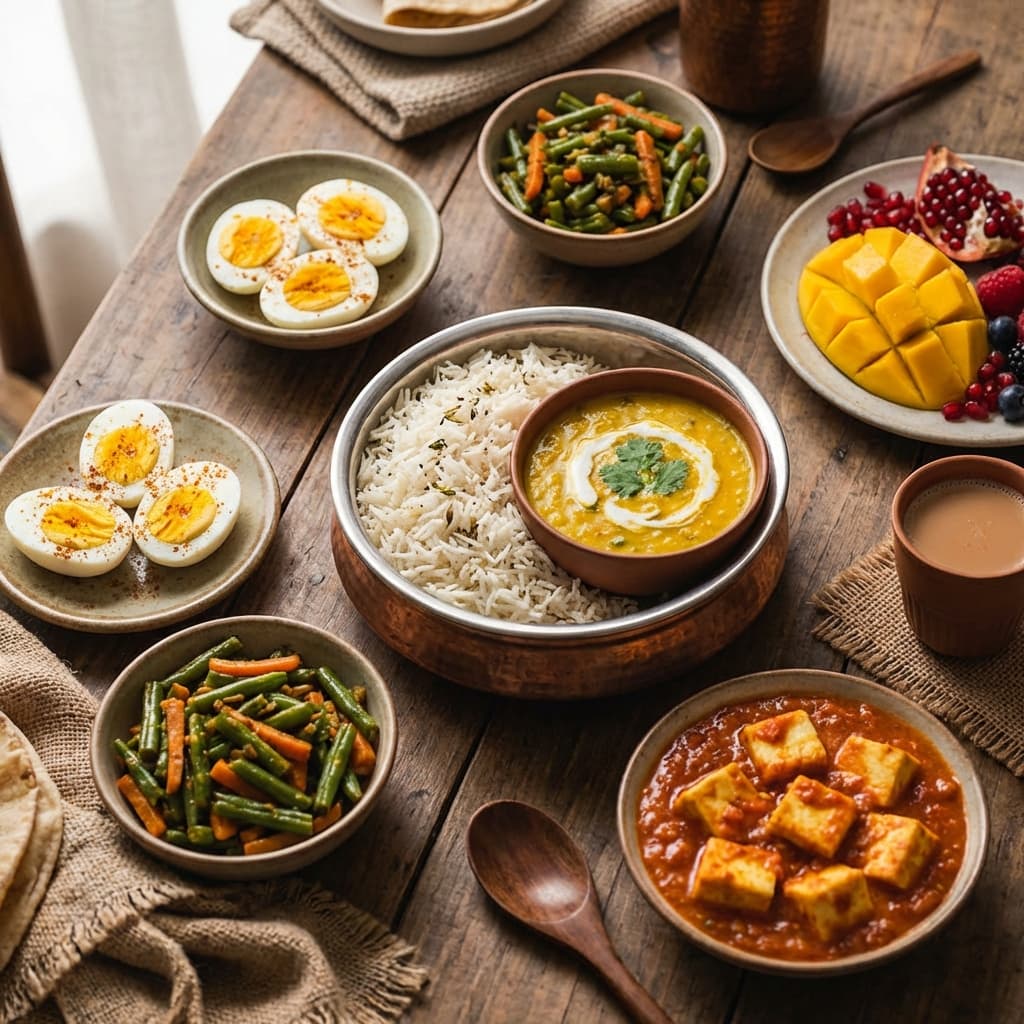
The Science Behind Dal
Dal, a staple in many diets, is scientifically recognized for its rich nutritional profile. Composed primarily of legumes like lentils, chickpeas, kidney beans, and pigeon peas, each variety boasts a unique array of benefits. Macronutritionally, dal is a significant source of plant-based protein. A 100-gram serving of cooked dal typically provides around 9-12 grams of protein, crucial for muscle building, repair, and overall cellular function.
The carbohydrate content in dal is also noteworthy, primarily in the form of complex carbohydrates and dietary fiber. A 100-gram portion contains roughly 20-25 grams of carbohydrates, with a significant portion attributed to fiber. This fiber contributes to satiety, aids in digestion, and helps regulate blood sugar levels. Nutrition research indicates that high-fiber diets are associated with reduced risk of type 2 diabetes and cardiovascular diseases.
Dal also provides essential micronutrients. It is a good source of iron, folate (vitamin B9), potassium, and magnesium. Iron is vital for oxygen transport in the blood, while folate is essential for cell growth and development, especially during pregnancy. Potassium helps regulate blood pressure, and magnesium plays a role in muscle and nerve function, as well as blood sugar control. Clinical studies show that regular consumption of foods rich in these minerals can improve overall health.
The Glycemic Index (GI) of dal generally ranges from low to medium, typically between 25 and 45, depending on the specific type and preparation method. This low GI means that dal releases glucose into the bloodstream slowly and steadily, preventing rapid spikes in blood sugar levels. This makes it a suitable food for individuals with diabetes or insulin resistance.
Digestion of dal varies depending on the type and preparation. Lentils are generally easier to digest than kidney beans or chickpeas due to their lower levels of oligosaccharides, complex sugars that can cause gas and bloating in some individuals. Soaking dal before cooking can further reduce these compounds, improving digestibility. Nutrition research highlights the benefits of soaking legumes to enhance nutrient absorption and reduce antinutrients.
From a metabolic perspective, dal promotes healthy metabolism due to its balanced macronutrient profile. The combination of protein, fiber, and complex carbohydrates contributes to satiety and helps regulate appetite, supporting weight management efforts. Additionally, the micronutrients in dal play a role in various metabolic processes, ensuring optimal cellular function. The high fiber content also aids in cholesterol regulation, further contributing to cardiovascular health. Clinical studies show a positive correlation between legume consumption and improved lipid profiles.