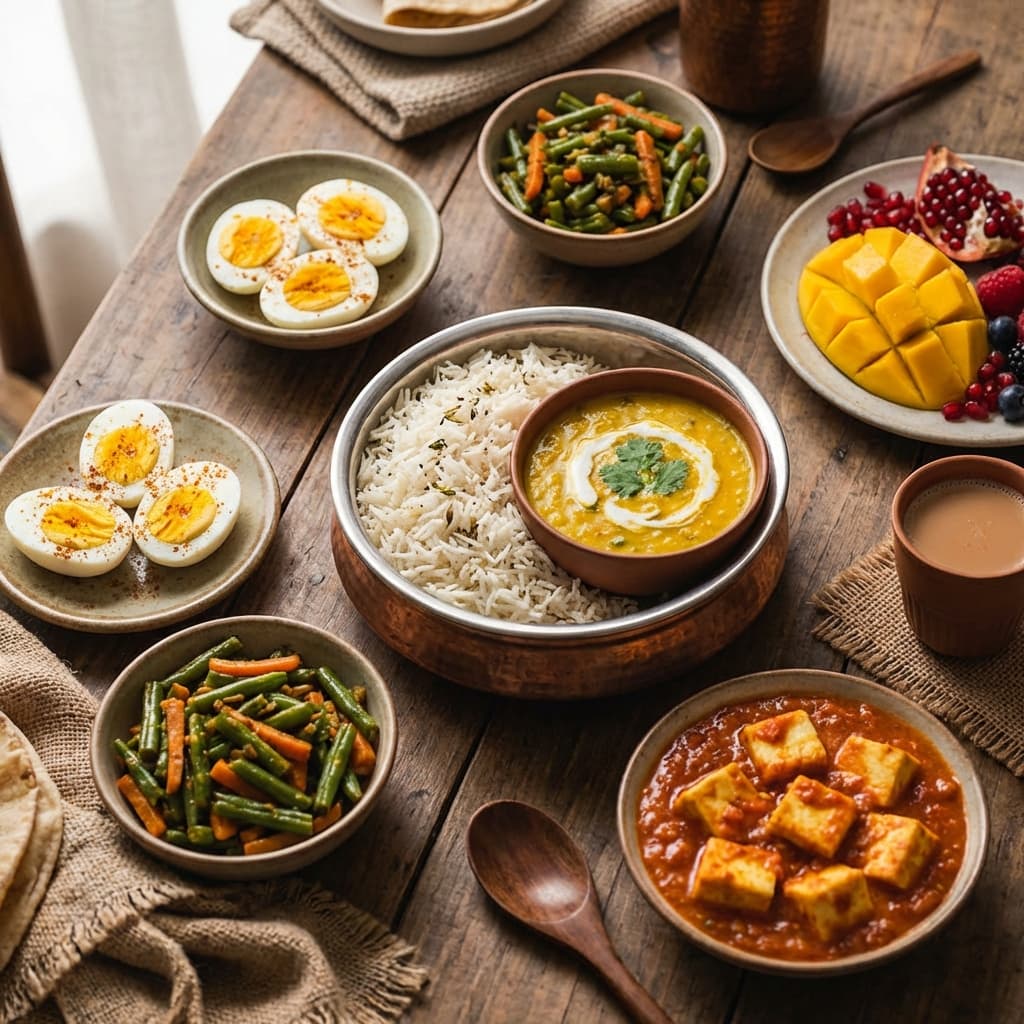
Healthy food background
MODERATE ⚠️at NightLast Updated: 1/12/2026

Can I Eat Chicken at Night?

Eating chicken at night is generally safe and can be beneficial due to its high protein content, which aids muscle recovery and satiety. However, the preparation method, portion size, and your individual digestive capabilities are crucial. Opt for lean cuts, avoid excessive added fats, and ensure it's cooked lightly to prevent digestive discomfort. Consider your activity level and overall calorie intake for the day before including chicken in your late-evening meal.

Key Insight

The amino acid tryptophan, found in chicken, is a precursor to melatonin, a hormone that regulates sleep. But, high protein meals late at night can sometimes interfere with sleep for some individuals due to the digestive process.

The Science Behind Chicken

Chicken is a powerhouse of nutrients, primarily recognized for its high protein content. A 100-gram serving of cooked chicken breast (skinless) provides approximately 31 grams of protein. This protein is complete, meaning it contains all nine essential amino acids necessary for human health. These amino acids are crucial for muscle building, repair, and various enzymatic functions within the body. Nutrition research indicates that adequate protein intake is essential for maintaining lean muscle mass, especially during weight loss and aging.

Beyond protein, chicken contains essential micronutrients. It's a good source of B vitamins, including niacin (vitamin B3), pyridoxine (vitamin B6), and cobalamin (vitamin B12). Niacin aids in energy metabolism, converting food into usable energy. Pyridoxine is involved in cognitive development and immune function. Cobalamin is crucial for nerve function and red blood cell formation. Chicken also contains minerals like phosphorus, essential for bone health, and selenium, an antioxidant that protects cells from damage.

The fat content in chicken varies greatly depending on the cut. Skinless chicken breast is very lean, containing only about 3.6 grams of fat per 100-gram serving. Chicken thighs and drumsticks, especially with the skin on, have significantly higher fat content. Nutrition research indicates that saturated fat intake should be moderated, and therefore, lean cuts are generally recommended.

Chicken has a Glycemic Index (GI) of 0, as it contains no carbohydrates. However, the glycemic load (GL) of a meal including chicken will depend on the accompanying foods. Digestion speed varies depending on the cut and preparation. Lean chicken breast is relatively easy to digest, while fried or heavily sauced chicken can take longer and potentially cause digestive distress. Clinical studies show that protein-rich foods like chicken can increase satiety, helping to control appetite and manage weight. The metabolic impact of chicken is primarily related to its thermic effect of food (TEF). Protein has a higher TEF than carbohydrates or fats, meaning your body burns more calories digesting protein-rich foods. This can slightly contribute to weight management efforts. However, the overall impact is modest and depends on the total calorie intake and energy expenditure.

Portion Control

Ideal Serving

A 100-150 gram (3.5-5.3 ounce) serving of cooked chicken breast is generally considered an ideal portion size for most adults.

Max Per Day

While there's no strict upper limit, consistently exceeding 200-250 grams of chicken per meal, especially at night, may lead to digestive discomfort or excess calorie intake. Consider your individual needs and activity level.

Frequency

Chicken can be consumed daily as part of a balanced diet. However, it's important to vary protein sources and include other options like fish, lentils, beans, and tofu to ensure a wide range of nutrients.

Common Myth

"Eating chicken every day is unhealthy and will lead to health problems."

Not quite true
The Reality

Eating chicken every day, in moderation and as part of a balanced diet, is not inherently unhealthy. The key is to choose lean cuts, prepare them healthily (baked, grilled, or steamed), and ensure you're also consuming a variety of other nutrient-rich foods. Overconsumption of any single food, regardless of its nutritional value, can lead to imbalances, so moderation and variety are crucial.

Fact Checked

💡 Expert Tip

"Marinate chicken in lemon juice and herbs before cooking. The acidity of the lemon juice helps tenderize the chicken and enhances flavor, while the herbs provide additional antioxidants and health benefits. This simple technique elevates the taste and nutritional value of your chicken meals."

Common Questions

Does Chicken cause weight gain?

Chicken itself doesn't directly cause weight gain. Weight gain occurs when you consume more calories than you burn, creating a calorie surplus. Chicken, particularly lean cuts, can actually aid in weight management due to its high protein content, which promotes satiety and helps preserve muscle mass. However, consuming large portions of fried or heavily sauced chicken regularly can contribute to a calorie surplus and potentially lead to weight gain. The preparation method and overall calorie intake are the key factors, not the chicken itself. Furthermore, if you are insulin resistant, excess protein that is not being used for repair or building can be converted to glucose and stored as fat.

Can I eat Chicken on an empty stomach?

Eating chicken on an empty stomach is generally safe for most people. However, some individuals might experience mild discomfort due to the protein content stimulating gastric acid production. If you're prone to acidity or heartburn, it's best to consume chicken with some carbohydrates or vegetables to buffer the stomach. The insulin response to protein alone is minimal, but combining it with carbs will elicit a more significant insulin response.

How does Chicken affect sleep?

The effect of chicken on sleep depends on the portion size, preparation method, and individual sensitivity. Chicken contains tryptophan, an amino acid that can be converted into melatonin, a sleep-regulating hormone. However, large portions of chicken, especially if heavily seasoned or fried, can take longer to digest and potentially disrupt sleep. It's best to consume smaller portions of lean chicken prepared simply several hours before bedtime.

Is Chicken good for skin/hair?

Chicken contains several nutrients that contribute to healthy skin and hair. It's a good source of protein, which is essential for building and repairing tissues, including skin and hair. Chicken also contains B vitamins, such as niacin and riboflavin, which play a role in maintaining skin health. Additionally, the selenium in chicken acts as an antioxidant, protecting cells from damage that can contribute to premature aging.

Metabolic Intelligence Engine

Check this food for YOUR A1C

Stop reading generalizations. Get a personalized metabolic safety score instantly.

Personalized Score
A1C Optimized
Free Guide

Get your 7-Day Blood Sugar Friendly Plan.

Join 2,000+ others who optimized their A1C using our metabolic food guide. Perfect for Prediabetes & High Cholesterol.

  • Top 5 hidden sugar foods to avoid
  • Smart carb swaps for Indian meals
  • The 'Metabolic Timing' rule
  • Simple grocery checklist

Ready to Download

Your personalized metabolic blueprint is ready. No email required.

Unlocked: Full 5-Page Guide

What Should You Do Next?

Instant Score

Type any food to see its impact on your blood sugar instantly.

Check Score

Smart Alternatives

Find safer swaps for your favorite Indian snacks and meals.

Browse Swaps

Join Pro

Unlock unlimited searches and save your metabolic history.

Go Pro

Get your Personalized Safe Score

Verify Food